Full-Time aikido dojo
Lease a small unit, fit it out with mats and teach adults' and kids' classes through the week.

- A$8k-35k
- Full-time
- Own premises
Estimates for a small start in Australia, not guarantees.
What it is
A dedicated dojo in a leased unit or studio with permanent mats, changing areas and a weekly timetable of adult, teen and children's classes.
Your first three steps
- Check rents and lease terms for small units in your area and work out how many members you need to cover costs
- Confirm with your aikido organisation how affiliation, grading and instructor accreditation work
- Build a waiting list first by running classes in a hired hall, then move into premises
Who pays
Local families and adults who join as regular members, plus visitors who come for seminars and grading days.
How it makes money
Ongoing membership fees, children's term fees, grading and seminar fees, and uniform and equipment sales. Extra income may come from hiring the space to other instructors.
Skills that help
- Advanced aikido grade and teaching experience
- Running a small business and managing a budget
- Marketing and member retention
Watch out for
- Lease commitments and fit-out costs, so get advice before signing
- Council approval for the use of the premises, and building and fire safety requirements
- Public liability insurance, and workers compensation once you employ instructors or staff
- Working with children checks for all instructors who teach under 18s, which differ by state and territory
- Membership can drop off, so plan for a slow first year
Deep research report · Australia
Everything you need to start: full-time aikido dojo
Researched with live web search for Australia: real startup prices, the licences and rules, what others charge, a break-even example, how to find your first customers and a 30-day launch plan. With sources.
- Startup costs with real prices
- Licences, registration and rules
- Pricing: what others charge
- Break-even example
- Finding your first customers
- 30-day launch plan
- Risks and how to reduce them
Questions people ask
How much does it cost to start an aikido dojo in Australia?
Startup costs are typically around $8,000 to $35,000, depending on the unit, mats, fit-out and deposits. These are estimates only. Get advice on lease terms and fit-out quotes before signing anything.
How much can a full-time aikido dojo earn?
Monthly revenue is typically around $2,500 to $12,000, depending on membership numbers, your fees and the range of classes you run. That is revenue before rent and other costs, so treat it as an estimate only.
What should I check before opening a dedicated aikido dojo?
Check lease commitments and fit-out costs, council approval for the premises' use, and building and fire safety requirements. Also check public liability insurance, workers compensation if you employ instructors, and working with children checks, which differ by state and territory.
Other ways to run this business

Similar sports and fitness ideas

Weekend hang gliding lessons at a local site
Teach beginners to fly at an approved training hill or flying site, running lessons on weekends and good-weather days.
- A$8k-35k
- Side hustle
- Out and about
Capoeira school with its own studio
Lease a small studio and run a full timetable of capoeira classes for kids, teens and adults.
- A$8k-35k
- Full-time
- Own premises

Outdoor archery club with a permanent field
Set up a members' archery club on leased or shared land, with coaching, casual shoots and regular competitions.
- A$8k-30k
- Part-time
- Own premises
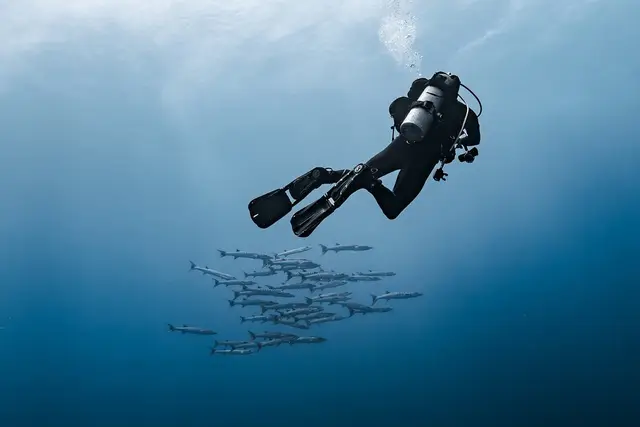
Guided shore dives and learn-to-dive courses
Take visitors and locals on guided shore dives and teach beginner courses, with no boat to buy.
- A$6k-30k
- Side hustle
- Out and about
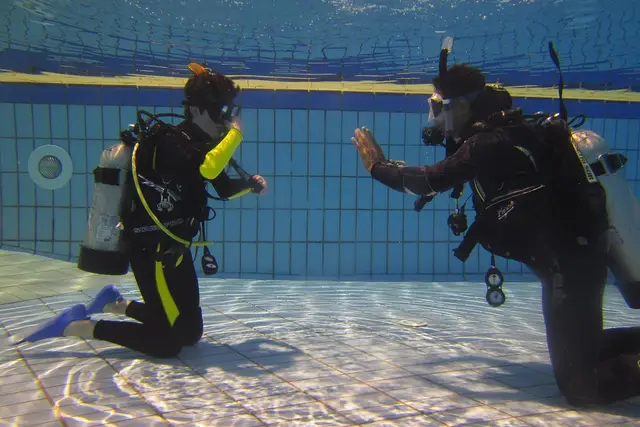
Small independent dive school
Run your own small dive training business using hired pool time and local dive sites.
- A$10k-40k
- Part-time
- Out and about
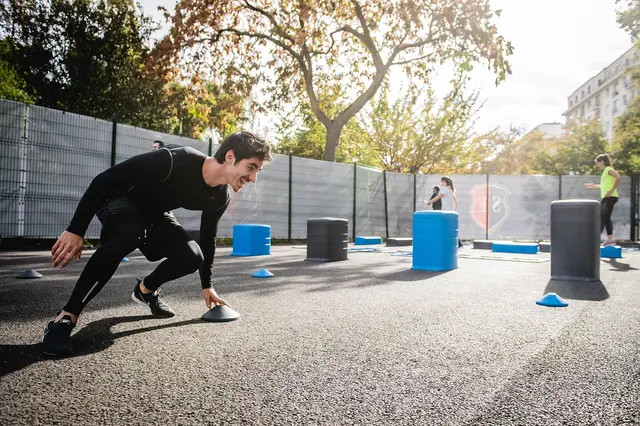
Indoor boot camp in a small studio or hired hall
Run weatherproof group boot camp classes from a rented unit or hired hall, with set timetables and memberships.
- A$8k-40k
- Part-time
- Own premises