Online salvage seller with weekend markets
Source reclaimed fittings and small architectural pieces, then sell online and at weekend markets from home storage.
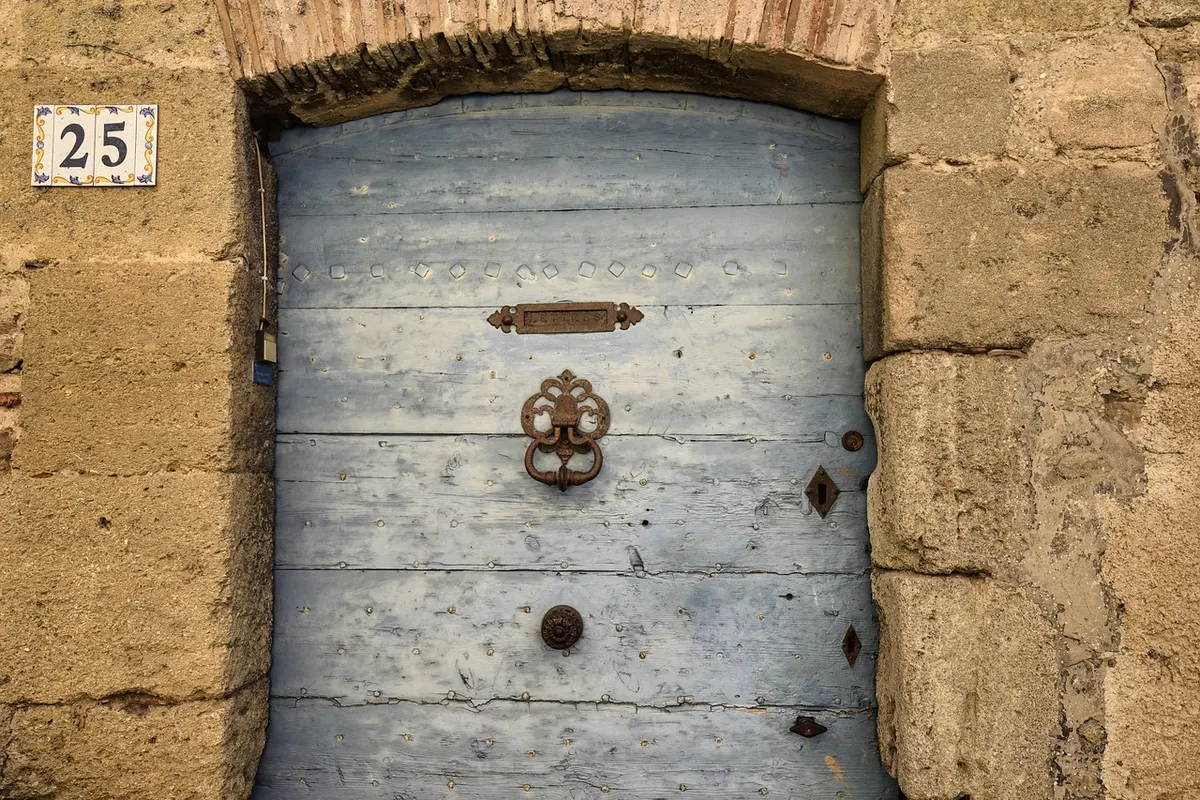
- A$1k-6k
- Side hustle
- Online
Estimates for a small start in Australia, not guarantees.
What it is
A low-overhead version of a salvage shop: you collect smaller pieces such as door hardware, tiles, taps, light fittings and mantels, list them online and sell at markets or by appointment.
Your first three steps
- Pick a niche, for example door hardware, fireplaces or lighting, and research sold prices online
- Source your first stock from demolition sales, clearances, auctions and renovators
- Set up listings on an online marketplace or social media shop and book a stall at a local market
Who pays
Renovators, stylists, designers and hobbyists looking for period or character pieces, often from your local area.
How it makes money
Profit on each item sold after your buying and cleaning costs. Online listings reach a wider audience, while markets and local pickups avoid freight costs.
Skills that help
- Spotting valuable pieces at clearances and auctions
- Photography and writing clear listings
- Packing and arranging pickups safely
Watch out for
- Check your council's rules for running a home-based business and storing stock at home
- Public liability insurance, especially if you trade at markets (many require it)
- Older items may contain asbestos or lead paint, check your state's rules before selling them
- Register for an ABN and check when GST registration applies as your sales grow
- Heavy or fragile items are hard to post, consider local pickup only
Deep research report · Australia
Everything you need to start: online salvage seller with weekend markets
Researched with live web search for Australia: real startup prices, the licences and rules, what others charge, a break-even example, how to find your first customers and a 30-day launch plan. With sources.
- Startup costs with real prices
- Licences, registration and rules
- Pricing: what others charge
- Break-even example
- Finding your first customers
- 30-day launch plan
- Risks and how to reduce them
Questions people ask
How much does it cost to start selling salvage online and at markets?
Startup costs are typically around $1,000 to $6,000, depending on how much stock you buy, your storage setup and any market stall gear. These are estimates, so test with a small first batch of stock.
What rules should I check before selling reclaimed fittings from home?
Check your council's rules for home-based businesses and storing stock at home. Look at public liability insurance, which many markets require. Older items may contain asbestos or lead paint, so check your state's rules before selling them. Also check ABN and GST requirements.
How much can a part-time salvage seller earn?
Monthly revenue is typically around $500 to $3,000, depending on what you find, how you price it and how often you trade. That is revenue, not profit. It typically takes at least around 8 hours a week.
Other ways to run this business

Similar retail ideas

Bangle stall at markets and festivals
Sell bangles from a stall at weekend markets, cultural festivals and wedding expos.
- A$1.5k-6k
- Side hustle
- Out and about

Pottery market stall
Sell handmade and imported ceramics at weekend markets and fairs, with no shop lease to pay.
- A$1.5k-6k
- Side hustle
- Out and about

Crystal and spiritual goods market stall
Sell crystals, incense and tarot decks at weekend markets and festivals without paying shop rent.
- A$1.5k-6k
- Side hustle
- Out and about

Online air filter shop
Sell replacement car, machinery and ventilation filters online, shipped direct from a supplier or your spare room.
- A$1k-6k
- Side hustle
- Online
Toy stall at markets and fairs
Sell toys and games from a stall at weekend markets, school fairs and community events.
- A$1.5k-6k
- Side hustle
- Out and about

Online local souvenir store
Sell local-themed keepsakes and gifts online to visitors, past travellers and gift buyers.
- A$1k-6k
- Side hustle
- Online
Photo: lecreusois on Pixabay