Local bearing and industrial parts counter
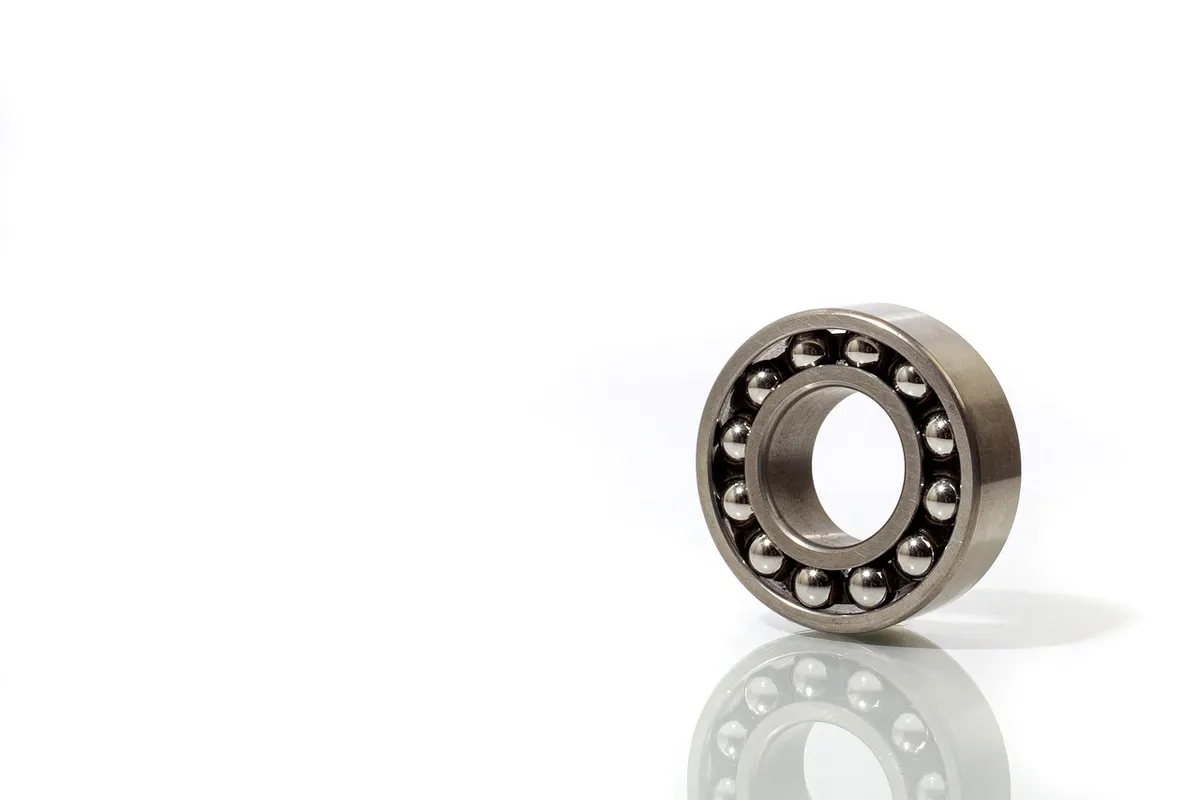
Open a small trade counter stocking bearings, seals and belts for nearby garages, farms and factories, with same-day pick-up.
- A$25k-100k
- Full-time
- Own premises
Estimates for a small start in Australia, not guarantees.
What it is
A small unit or shopfront in an industrial area holding a stocked range of bearings plus related items like seals, grease and belts. You serve walk-in trade, take phone orders and deliver locally.
Your first three steps
- Visit local workshops and farms to find out which bearing types and brands they use most and what frustrates them about current suppliers
- Talk to wholesalers about opening a trade account, stock support and pricing, and check rents for small industrial units
- Build a starting stock list around the fastest-moving sizes and line up your first trade customers before opening
Who pays
Mechanics, engineering shops, farms, factories and maintenance contractors who need parts the same day to avoid downtime.
How it makes money
Margin on parts sold, usually with trade accounts for regular customers, plus extras like delivery, bearing fitting advice and supplying related consumables.
Skills that help
- Technical product knowledge or willingness to learn
- Stock control and ordering
- Building trade relationships
Watch out for
- Tying up cash in slow-moving stock: start with a tight range and reorder based on sales
- Public liability, product liability and stock insurance: check cover with a broker
- Council zoning and approval for your premises, and workers compensation insurance once you hire
- Competition from large national suppliers: focus on speed, advice and local service
- Trade credit risk if you offer accounts: check customers before giving terms
Deep research report · Australia
Everything you need to start: local bearing and industrial parts counter
Researched with live web search for Australia: real startup prices, the licences and rules, what others charge, a break-even example, how to find your first customers and a 30-day launch plan. With sources.
- Startup costs with real prices
- Licences, registration and rules
- Pricing: what others charge
- Break-even example
- Finding your first customers
- 30-day launch plan
- Risks and how to reduce them
Questions people ask
How much does it cost to open a bearing trade counter?
Startup costs are typically around $25,000 to $100,000, depending on premises, fit-out and how much stock you hold. A tight starting range keeps costs down. These are estimates only, so get quotes for your own setup.
What should I check before opening an industrial parts counter?
Check public liability, product liability and stock insurance with a broker, and council zoning and approval for your premises. Check workers compensation insurance once you hire. If you offer trade accounts, check customers before giving credit terms.
How much can a bearing trade counter earn?
Monthly revenue is typically around $8,000 to $40,000, depending on location, range and trade relationships. Plan on at least about 40 hours a week. Slow-moving stock can tie up cash, so reorder based on what sells.
Other ways to run this business
Similar making and manufacturing ideas

Industrial vacuum sales and service workshop
Run a small unit that sells, hires out and repairs industrial vacuums for local trades and factories.
- A$25k-100k
- Full-time
- Own premises

Small unit label printing business
Run a small workshop printing larger label orders for food, drink and packaging businesses in your region.
- A$25k-100k
- Full-time
- Own premises

Furnace parts stockist with a small unit
Hold common furnace spares in a small industrial unit so local plants and maintenance crews can get parts same day.
- A$25k-100k
- Full-time
- Own premises
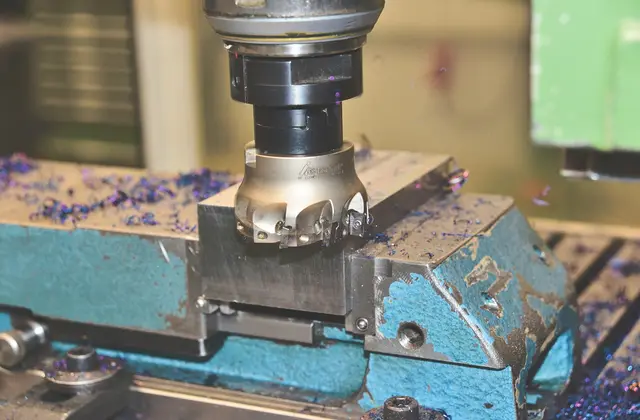
Machining workshop for local repairs and parts
Make and repair machined parts for farms, trades, workshops and local businesses from a small rented unit.
- A$25k-100k
- Full-time
- Own premises
Leather exporter with a small stock unit
Buy leather from tanneries, hold it in a small unit and ship mixed orders to overseas makers of bags, shoes and furniture.
- A$25k-100k
- Full-time
- Own premises
Custom spring maker in a small workshop unit
Make short runs, prototypes and replacement springs to order for local manufacturers and repairers.
- A$25k-90k
- Full-time
- Own premises
Photo: marsjo on Pixabay