Bicycle brand distributor with a small warehouse
Import or distribute a bike brand or range and supply it to independent bike shops from a small warehouse unit.
- A$40k-200k
- Full-time
- Own premises
Estimates for a small start in Australia, not guarantees.
What it is
You become the Australian supplier for a bicycle brand or range, such as kids' bikes, commuter bikes or e-bikes, plus matching parts. You hold stock in a small warehouse unit and supply independent bike shops, usually with a catalogue and set trade terms.
Your first three steps
- Research brands without Australian distribution and talk to bike shop owners about what they would stock
- Contact manufacturers to ask about distribution terms, minimum orders, pricing and warranty support, and compare freight and duty costs
- Get advice from an accountant or customs broker, register your business and ABN, and line up a small warehouse or shared storage unit
Who pays
Independent bike shops that buy stock to sell on to customers, and sometimes small chains or school and community programs.
How it makes money
You buy bikes and parts from the manufacturer and sell to shops at wholesale prices. Margin comes from the gap after freight, duty, warehousing and warranty costs.
Skills that help
- Sales and account management
- Supplier negotiation and importing basics
- Inventory and cash flow management
- Product knowledge of bikes and components
Watch out for
- Import duties, GST on imports and customs paperwork, so check with a customs broker
- ACCC product safety rules and Australian standards for bikes, helmets and lights, and the state rules for e-bikes and their batteries
- Lithium battery storage and transport rules, including insurance and fire risk at your warehouse
- Large upfront stock purchases and currency movements can strain cash flow
- Warranty and returns: agree with the manufacturer who covers faulty products
- Public liability, product liability and stock insurance, check what is covered
- Check any exclusivity or territory terms in your distribution agreement
Deep research report · Australia
Everything you need to start: bicycle brand distributor with a small warehouse
Researched with live web search for Australia: real startup prices, the licences and rules, what others charge, a break-even example, how to find your first customers and a 30-day launch plan. With sources.
- Startup costs with real prices
- Licences, registration and rules
- Pricing: what others charge
- Break-even example
- Finding your first customers
- 30-day launch plan
- Risks and how to reduce them
Questions people ask
How much does it cost to start a bicycle distribution business?
Startup costs are typically around $40,000 to $200,000, depending on the brand, how much stock you buy and your warehouse. Large upfront stock purchases and currency movements can strain cash flow, so plan for that.
How much can a bicycle distributor earn?
Monthly revenue is typically around $15,000 to $75,000, depending on the range you carry, how many independent shops you supply and your trade terms. This is revenue, not profit, so factor in stock and warehouse costs.
What rules should I check before distributing bikes in Australia?
Check import duties, GST on imports and customs paperwork (a customs broker can help), ACCC product safety rules, Australian standards for bikes, helmets and lights, and state rules for e-bikes and batteries. Also check lithium battery storage and transport rules, and insurance.
Other ways to run this business
Similar retail ideas
Local tile showroom
Open a small showroom selling ceramic, porcelain and stone tiles to homeowners, builders and tradies.
- A$40k-200k
- Full-time
- Own premises
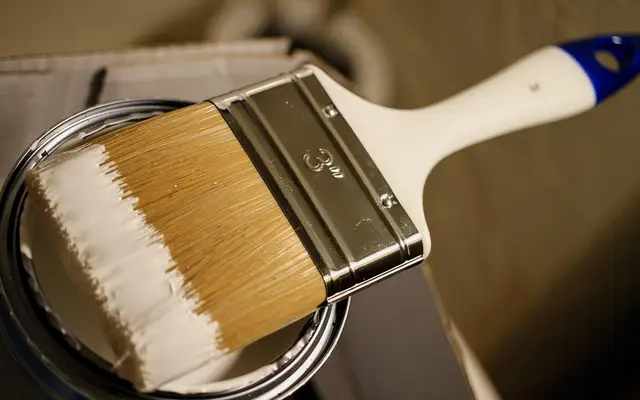
Local paint and decorating supplies shop
Run a neighbourhood paint shop with colour matching, brushes and advice for DIYers and tradies.
- A$50k-200k
- Full-time
- Own premises
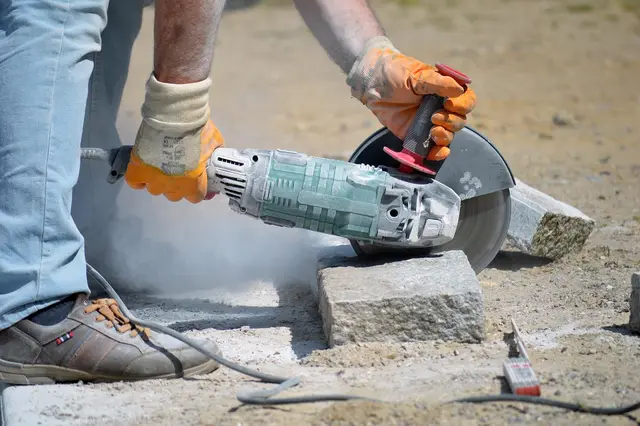
Small tool hire and sales yard
Run a small shopfront or unit that hires out and sells power tools and site equipment to local tradies and builders.
- A$60k-200k
- Full-time
- Own premises
Local tool shop for tradies and DIYers
Open a small shop stocking hand tools, power tools and fixings for local tradies and weekend DIYers.
- A$60k-200k
- Full-time
- Own premises
Beauty wholesale distributor with a small storeroom
Stock a wider range from a small unit and supply salons, retailers and online sellers on a regular basis.
- A$50k-200k
- Full-time
- Own premises

Local canoe and kayak shop
Open a small shop near the water selling kayaks, paddles and safety gear, with friendly advice for new paddlers.
- A$60k-200k
- Full-time
- Own premises