Subcontract bricklayer for builders
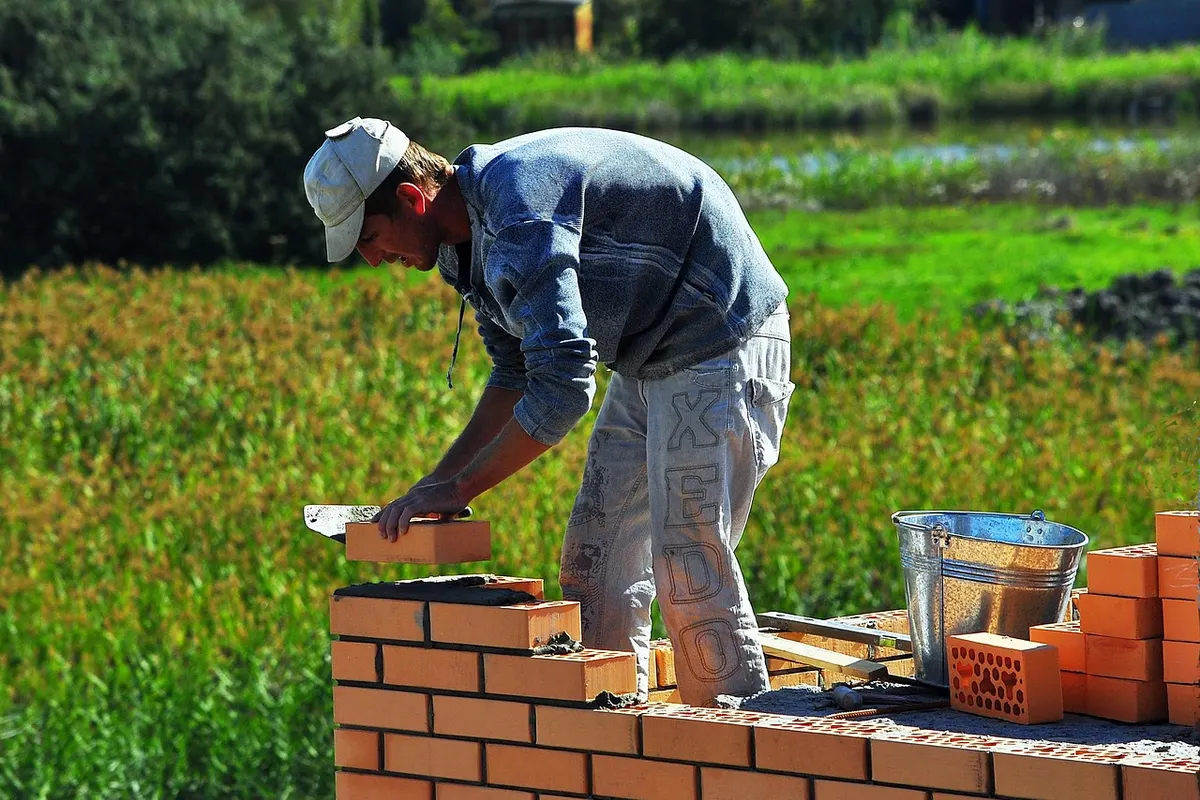
Lay bricks and blocks on new homes and extensions as a subcontractor, paid per 1,000 bricks or by the hour.
- A$2k-8k
- Full-time
- Out and about
- Licence or permit needed
Estimates for a small start in Australia, not guarantees.
What it is
Laying bricks and blocks for builders on new houses, extensions, fences and retaining walls. You turn up with your tools and the builder supplies materials and site access.
Your first three steps
- Check what licence or registration your state's building authority requires for bricklaying work, and whether your qualification is recognised
- Get an ABN, public liability insurance and a White Card, then buy or replace your core tools (trowels, levels, lines, scaffold access as needed)
- Contact local builders and site supervisors, share photos of past work and offer a paid trial day
Who pays
Builders, building companies and site supervisors who need reliable bricklaying labour.
How it makes money
Usually a rate per 1,000 bricks laid or an hourly or day rate. Steady work from one or two builders can keep your calendar full.
Skills that help
- Trade qualification or solid bricklaying experience
- Working to plans and levels
- Reliable and safe on site
- Physical fitness
Watch out for
- State or territory licensing or registration rules for bricklaying and building work, which vary, so check your state's licensing body
- A White Card (general construction induction) for site work
- Public liability insurance, and check if you need workers compensation or personal injury cover
- Sham contracting rules: check that you really are an independent contractor and not an employee
- Hard physical work and weather delays that affect income
- Late payments from builders, so agree terms in writing
🔒 Full research report for Australia
Real cost breakdown with current prices, licences and registration checklist, local competition, pricing, break-even and a 30-day launch plan, with sources.
Coming soonQuestions people ask
How much does it cost to start as a subcontract bricklayer?
Startup costs are typically around $2,000 to $8,000, depending on the tools and equipment you already own and need to buy. The builder usually supplies materials and site access. These are estimates only.
How much can a subcontract bricklayer earn?
Monthly revenue is typically around $5,000 to $15,000, depending on how much work you get, whether you are paid per 1,000 bricks or by the hour, and weather delays. Late payments can also affect income.
What licences and rules apply to subcontract bricklaying?
Check your state's licensing body for bricklaying and building work rules, which vary. Also check whether you need a White Card, public liability insurance, workers compensation or personal injury cover, and sham contracting rules.
Other ways to run this business
Similar trades ideas
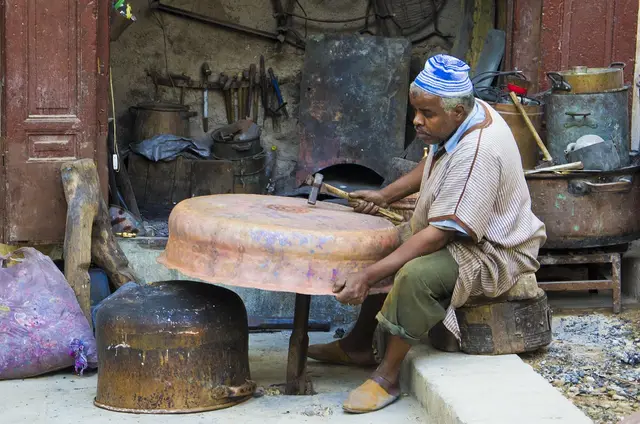
Home copper studio: homewares and repairs
Hand-make copper homewares and repair cookware and garden pieces from a garage or shed.
- A$1.5k-8k
- Side hustle
- From home
Stone supplier without a yard
Sell landscaping stone and slabs from home, with orders delivered straight from the quarry or importer to site.
- A$2k-8k
- Side hustle
- From home
Part-time electrician for small jobs
Take on small electrical jobs after hours or on weekends alongside a day job, if you already hold the right licence.
- A$2k-8k
- Side hustle
- Out and about

Mobile piano tuning and repair
Visit homes, schools and studios to tune and fix pianos, and sell the odd restored piano on the side.
- A$2k-8k
- Side hustle
- Out and about
Sports field and school oval line marking
Mark football, cricket, netball and athletics lines for local clubs, schools and councils through the season.
- A$2k-8k
- Side hustle
- Out and about
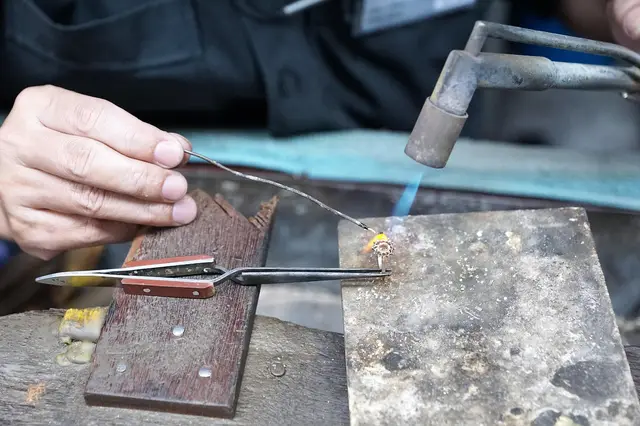
Home-based jewellery repair bench
Fix clasps, resize rings and repair chains at a home bench for local shops and walk-up customers by appointment.
- A$2k-8k
- Side hustle
- From home
Photo: reksik004 on Pixabay