School and community chess classes
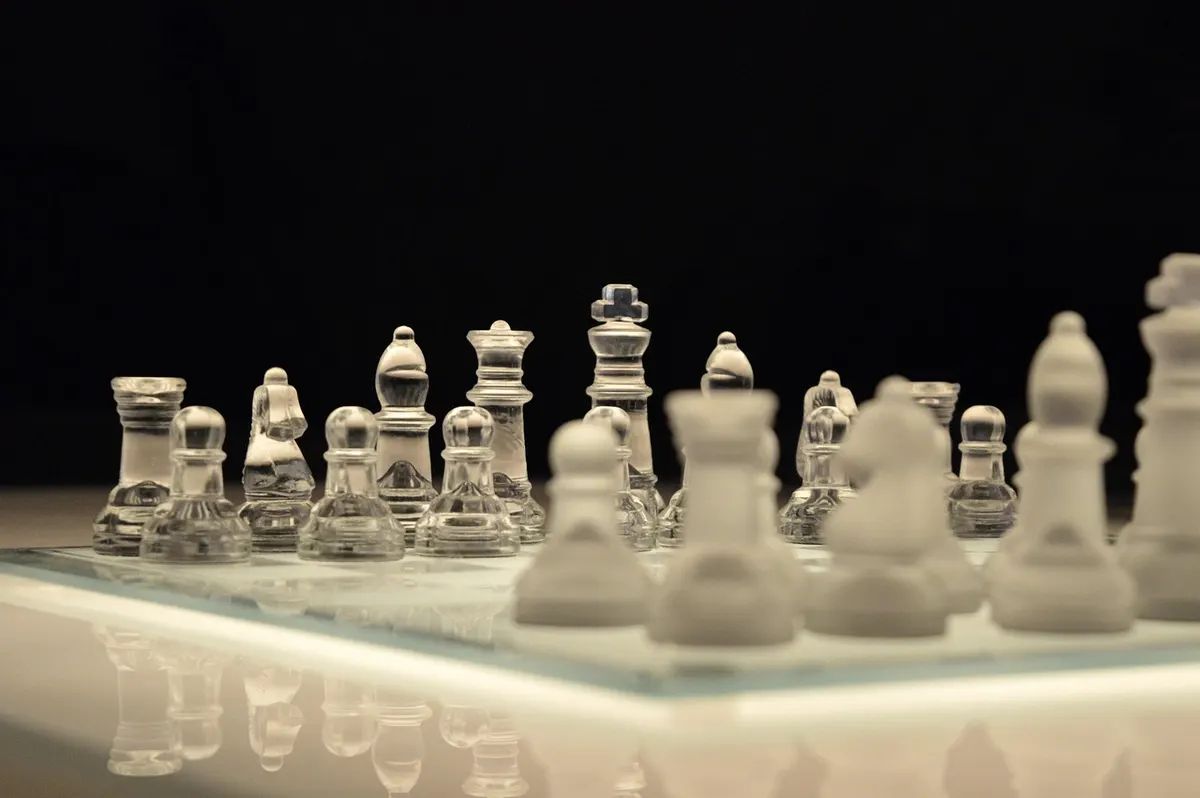
Run lunchtime, after-school and holiday chess classes for groups of kids at schools, libraries and community halls.
- A$300-2k
- Side hustle
- Out and about
- Licence or permit needed
Estimates for a small start in Australia, not guarantees.
What it is
Group chess programs for children, usually 8 to 20 per class, with a simple curriculum, games, puzzles and mini tournaments. You travel to schools, libraries and community centres, or hire a hall.
Your first three steps
- Write a simple term program with age-appropriate lessons and prepare a set of boards and a demo board
- Apply for your working with children check and arrange public liability insurance
- Contact local primary schools, OSHC providers and libraries with a one-page proposal and offer a trial session
Who pays
Parents paying per term or per class, and schools or parent associations that hire you to run an extracurricular program.
How it makes money
Per-student fees for a term, or a fixed fee from a school per session. More students per class means more income per hour, and you can add holiday workshops and tournaments.
Skills that help
- Strong chess knowledge and a clear teaching structure
- Managing groups of children
- Organising venues, bookings and payments
- Approaching schools and building relationships
Watch out for
- Working with children check is required in all states and territories for this kind of work, so check your state's requirements and processing times
- Public liability insurance, and check what venues and schools require
- Schools may have approved provider lists or their own rules for external providers, so check with each school
- Hall hire costs and low enrolments can squeeze your margin, so confirm numbers before committing
- Workers compensation insurance if you hire other instructors, check your state scheme
- Register for an ABN and check when GST applies to you
Deep research report · Australia
Everything you need to start: school and community chess classes
Researched with live web search for Australia: real startup prices, the licences and rules, what others charge, a break-even example, how to find your first customers and a 30-day launch plan. With sources.
- Startup costs with real prices
- Licences, registration and rules
- Pricing: what others charge
- Break-even example
- Finding your first customers
- 30-day launch plan
- Risks and how to reduce them
Questions people ask
How much does it cost to start a chess classes business?
Startup costs are typically around $300 to $2,000, depending on your equipment, venues and insurance. Hall hire costs and low enrolments can squeeze your margin, so confirm numbers before committing. These figures are estimates only.
Do I need a working with children check to teach chess in Australia?
A working with children check is required in all states and territories for this kind of work, so check your state's requirements and processing times. Also check public liability insurance and whether each school has an approved provider list or its own rules.
How much revenue can a chess class business make?
Monthly revenue is typically estimated around $600 to $3,500, depending on how many classes and venues you run. Plan for at least around 5 hours a week. If you hire other instructors, check workers compensation requirements.
Other ways to run this business
Similar teaching and tutoring ideas
Visiting music teacher
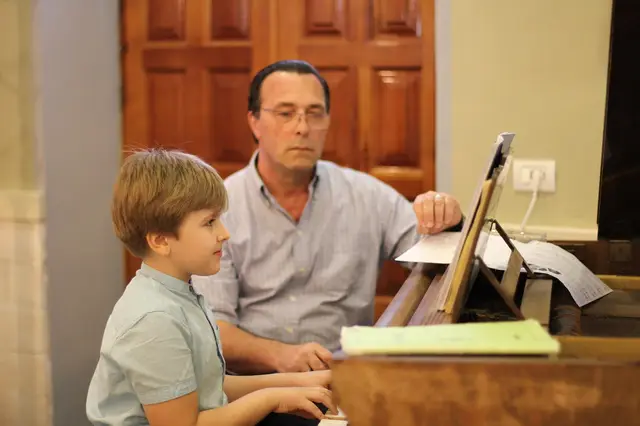
Travel to students' homes or teach at local schools and childcare centres.
- A$300-2k
- Part-time
- Out and about
Online cooking classes and courses
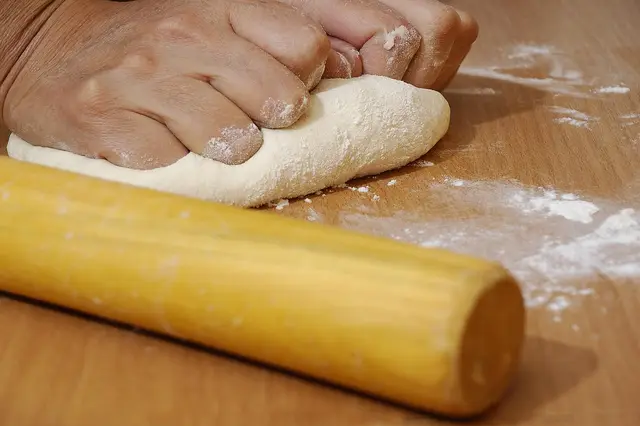
Teach cooking skills over video, with live classes or a recorded course students follow at home.
- A$300-2k
- Side hustle
- Online
Home studio singing teacher
Teach one-on-one singing lessons from a spare room to kids, teens and adults in your area.
- A$300-2k
- Side hustle
- From home
Online language classes
Teach your language to adults and school students in small live online groups or one-to-one lessons.
- A$300-2k
- Side hustle
- Online
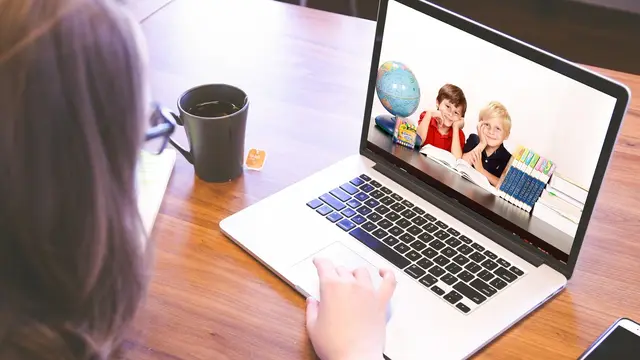
Online classes for home-educated kids
Run small live online classes and learning packs for children who learn at home.
- A$300-2k
- Side hustle
- Online
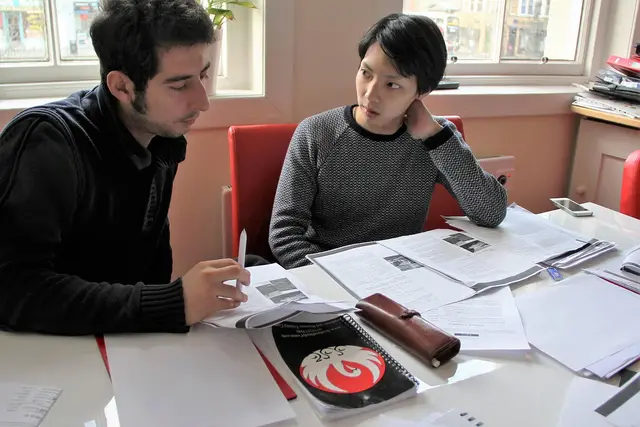
Exam prep tutor (home or online)
Coach students one-to-one or in small groups for selective school and standardised exams, from home or online.
- A$300-2k
- Side hustle
- From home
Photo: obsidianphotography on Pixabay