Honey and wax producer with shop supply
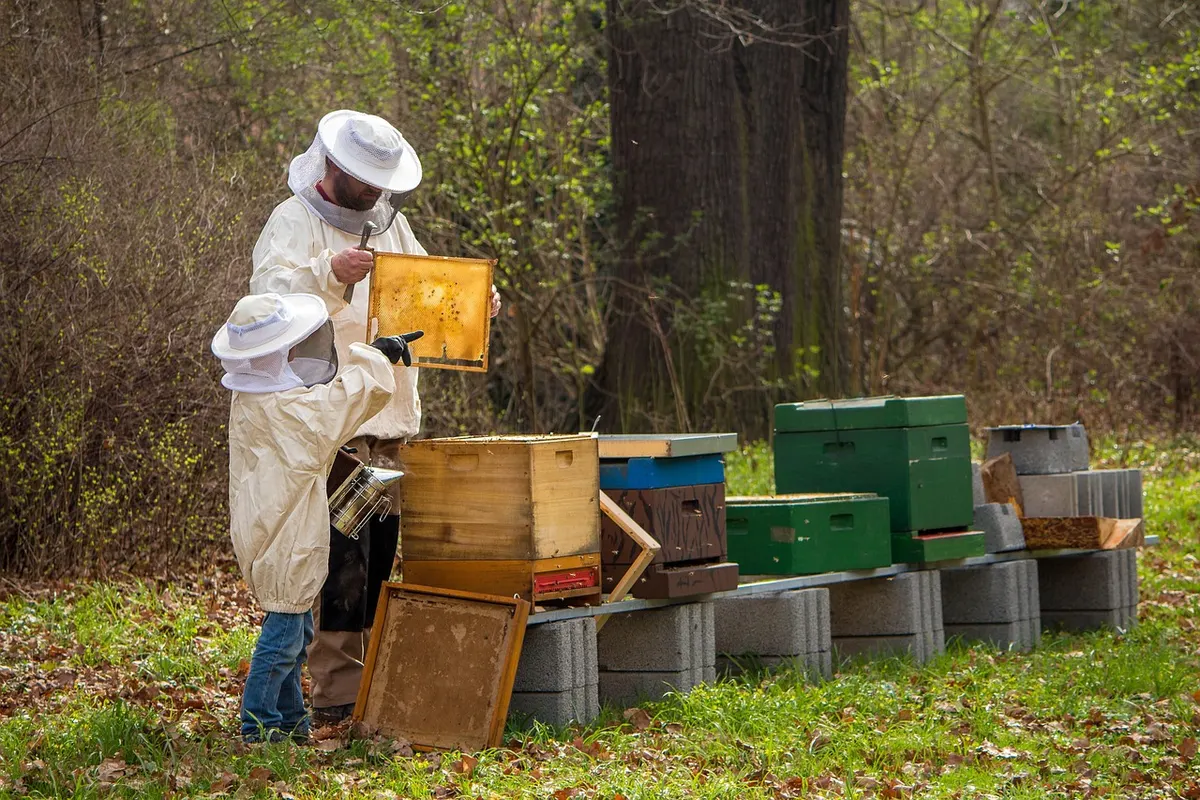
Run a larger apiary, process honey in a proper space and supply shops, cafes and online customers.
- A$15k-75k
- Full-time
- Own premises
- Licence or permit needed
Estimates for a small start in Australia, not guarantees.
What it is
Manage dozens of hives across several sites, extract and pack honey in a dedicated processing space, and sell honey, wax and related products to retailers and direct customers.
Your first three steps
- Gain hands-on experience by working for or alongside an established beekeeper for a season
- Plan a food-safe extraction and packing space and check council and state food requirements for it
- Secure access to apiary sites and approach a few local shops with samples and wholesale pricing
Who pays
Independent grocers, health food shops, cafes, gift stores, market shoppers and online customers.
How it makes money
Wholesale sales to shops, retail sales at markets and online, and extras such as beeswax products or selling nucleus colonies. Income varies with seasons and flowering conditions, and most honey is harvested and sold in a few months of the year, so monthly income is uneven. With dozens of hives, average monthly revenue is modest; reaching the top of the range usually needs a good season and strong direct sales.
Skills that help
- Solid beekeeping experience
- Planning hive moves and seasonal work
- Packing, labelling and basic bookkeeping
- Building relationships with shops
Watch out for
- Beekeeper registration and any rules on moving hives, which differ by state and territory
- Food business registration and food safety requirements for processing honey, check with your local council
- Access to floral sources on public or private land, which may need permits or landholder agreements, check with the relevant land manager
- Weather, drought, bushfire and disease can sharply reduce a season's honey
- Public liability and product liability insurance, and workers compensation once you hire help
- Honey labelling and any claims such as raw or single-origin, which should be accurate, check current rules
Deep research report · Australia
Everything you need to start: honey and wax producer with shop supply
Researched with live web search for Australia: real startup prices, the licences and rules, what others charge, a break-even example, how to find your first customers and a 30-day launch plan. With sources.
- Startup costs with real prices
- Licences, registration and rules
- Pricing: what others charge
- Break-even example
- Finding your first customers
- 30-day launch plan
- Risks and how to reduce them
Questions people ask
How much does it cost to start a commercial honey business?
Startup costs are typically around $15,000 to $75,000, depending on your hive numbers, extraction and processing equipment, and vehicles. These are estimates only, so price your own setup carefully before you commit.
What can a commercial honey and wax producer earn?
Monthly revenue is typically around $1,500 to $7,000, depending on your hive numbers, the season and your sales channels. Weather, drought, bushfire and disease can sharply reduce a season's honey, so plan for variable income.
What licences and rules should I check?
Check beekeeper registration and hive movement rules for your state or territory, and food business registration and food safety requirements with your council. Also check any permits or landholder agreements for floral sources, and honey labelling rules.
Other ways to run this business
Similar farming and garden ideas

Greenhouse orchid grower supplying florists and retailers
Run a greenhouse on rural or semi-rural land and supply flowering orchids to florists, nurseries and garden centres.
- A$15k-75k
- Full-time
- Own premises
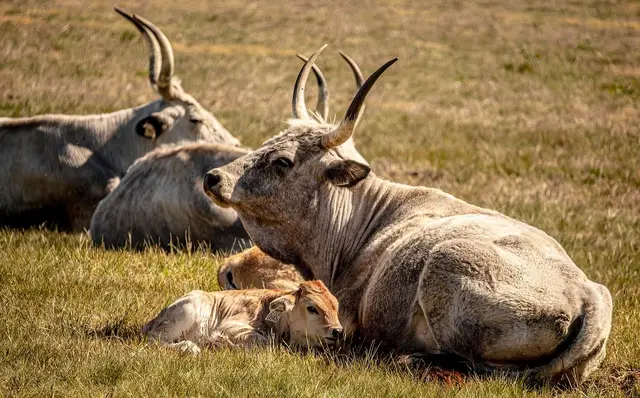
Fatten cattle or sheep on agisted or leased grazing
Rent grazing land, buy young stock, grow them out and sell to saleyards or processors.
- A$15k-70k
- Part-time
- Own premises
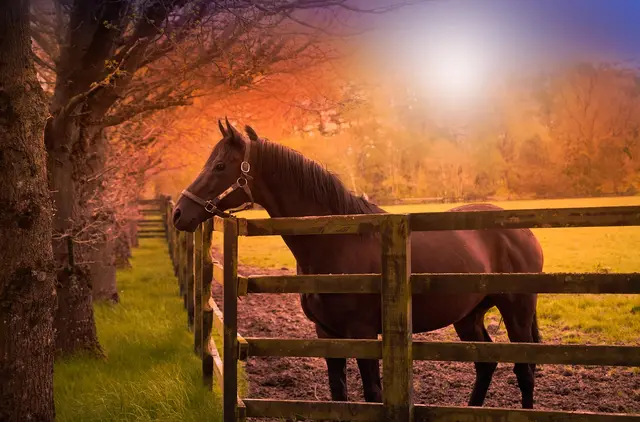
Boutique horse breeding for foal sales
Breed a few quality mares on your own or leased land and sell the foals or young horses.
- A$15k-70k
- Part-time
- Own premises

Farm shop on your property
Open a small shop selling farm produce and local goods to shoppers in your area.
- A$15k-70k
- Part-time
- Own premises

Local fertiliser and soil supply yard
Stock bagged and bulk fertiliser and soil products in a small shed or yard, and deliver to farms and growers nearby.
- A$15k-70k
- Full-time
- Own premises
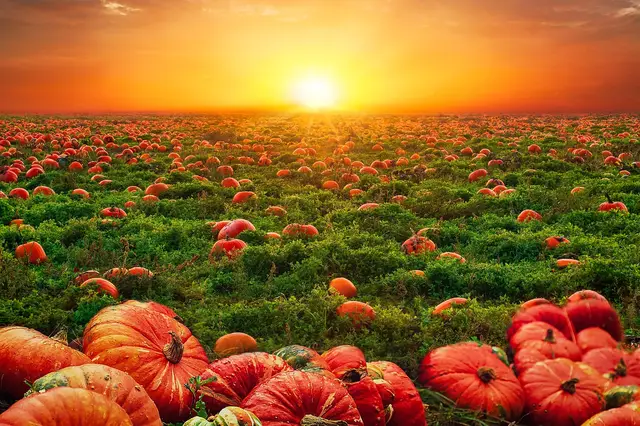
Pumpkin patch farm day out with café stall
Run a bigger autumn pumpkin patch with kids' activities, school visits and a food and drink stall.
- A$15k-60k
- Part-time
- Own premises
Photo: Lichtsammler on Pixabay