Neighbourhood convenience store
Run a small local shop selling milk, bread, snacks and household basics to people nearby.

- A$100k-350k
- Full-time
- Own premises
- Licence or permit needed
Estimates for a small start in Australia, not guarantees.
What it is
A small shop stocking everyday groceries, drinks, snacks, cleaning products and household basics, open long hours so locals can pop in for the things they forgot.
Your first three steps
- Study a few possible locations: count footfall at different times and check what nearby shops already stock
- Get quotes from wholesalers and price a starter range, then work out your break-even sales per week
- Talk to your local council about shop zoning and approvals, and compare buying an existing store with starting fresh
Who pays
Nearby residents, workers, students and passing foot or car traffic who want quick, close-to-home shopping.
How it makes money
You buy stock from wholesalers and sell at a markup. Extra income can come from fresh items like pies or coffee, and from high-margin lines such as drinks and snacks.
Skills that help
- Customer service
- Stock ordering and cash handling
- Managing rosters and long opening hours
Watch out for
- Council approval and zoning for a retail premises, plus lease terms, check before signing
- Rules for selling tobacco, vaping products, alcohol or lottery items, which differ by state and usually need a licence or are restricted, check your state regulator
- Food handling and food business registration with your local council if you sell fresh or hot food
- Public liability, theft and property insurance, and workers compensation once you hire staff
- Startup costs add up quickly: lease bond, fit-out (shelving, fridges, point-of-sale system) and opening stock can all be significant, so get quotes before committing
- Long hours and thin margins: check your numbers carefully before committing to a lease
Deep research report · Australia
Everything you need to start: neighbourhood convenience store
Researched with live web search for Australia: real startup prices, the licences and rules, what others charge, a break-even example, how to find your first customers and a 30-day launch plan. With sources.
- Startup costs with real prices
- Licences, registration and rules
- Pricing: what others charge
- Break-even example
- Finding your first customers
- 30-day launch plan
- Risks and how to reduce them
Questions people ask
How much does it cost to start a convenience store in Australia?
Estimates suggest startup costs are typically around $100,000 to $350,000, depending on the lease bond, fit-out, point-of-sale system and opening stock. Get quotes before committing to a lease.
How much can a convenience store earn?
Monthly revenue is typically estimated at around $25,000 to $100,000, depending on location and trading hours. Margins can be thin and hours are long, so check your numbers carefully before signing a lease.
What rules should I check before opening a convenience store?
Check council approval and zoning for retail premises, and your lease terms. Rules for tobacco, vaping, alcohol or lottery items differ by state and may need a licence. Check food business registration if you sell fresh or hot food.
Similar retail ideas
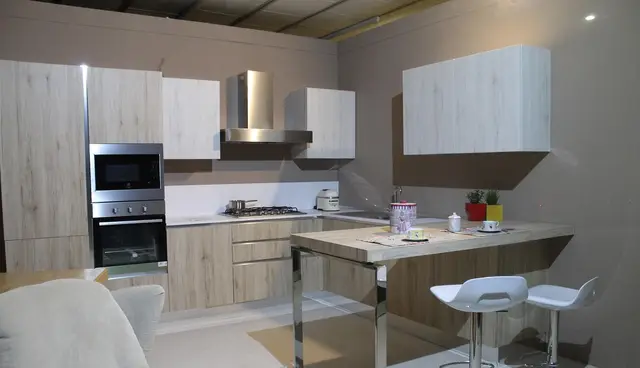
Small kitchen showroom
Open a local showroom with display kitchens, worktops and appliances, plus design and fitting for homeowners.
- A$120k-350k
- Full-time
- Own premises

Small-town general store (buy a going concern)
Take over a running general store in a regional town and keep serving customers who already shop there.
- A$80k-300k
- Full-time
- Own premises
Lottery agency in a local shop
Take over an established lottery outlet and earn commission selling tickets over the counter, often alongside other shop items.
- A$80k-400k
- Full-time
- Own premises

Gold buying and coin shop
Buy scrap gold and bullion from locals, then sell gold jewellery, bars and coins from a small shopfront.
- A$100k-400k
- Full-time
- Own premises

Take over an existing tobacconist
Buy a going tobacconist with its location, licence arrangements and regulars already in place, rather than starting from scratch.
- A$80k-300k
- Full-time
- Own premises
Lottery shop or lottery-led newsagency
Run a local shop selling lottery tickets, earning commission, with cards, papers and small extras alongside.
- A$60k-300k
- Full-time
- Own premises