Home-Based data recovery (software and mail-in)
Rescue photos and files from faulty drives, phones and memory cards, working from a home workspace and taking jobs by post.
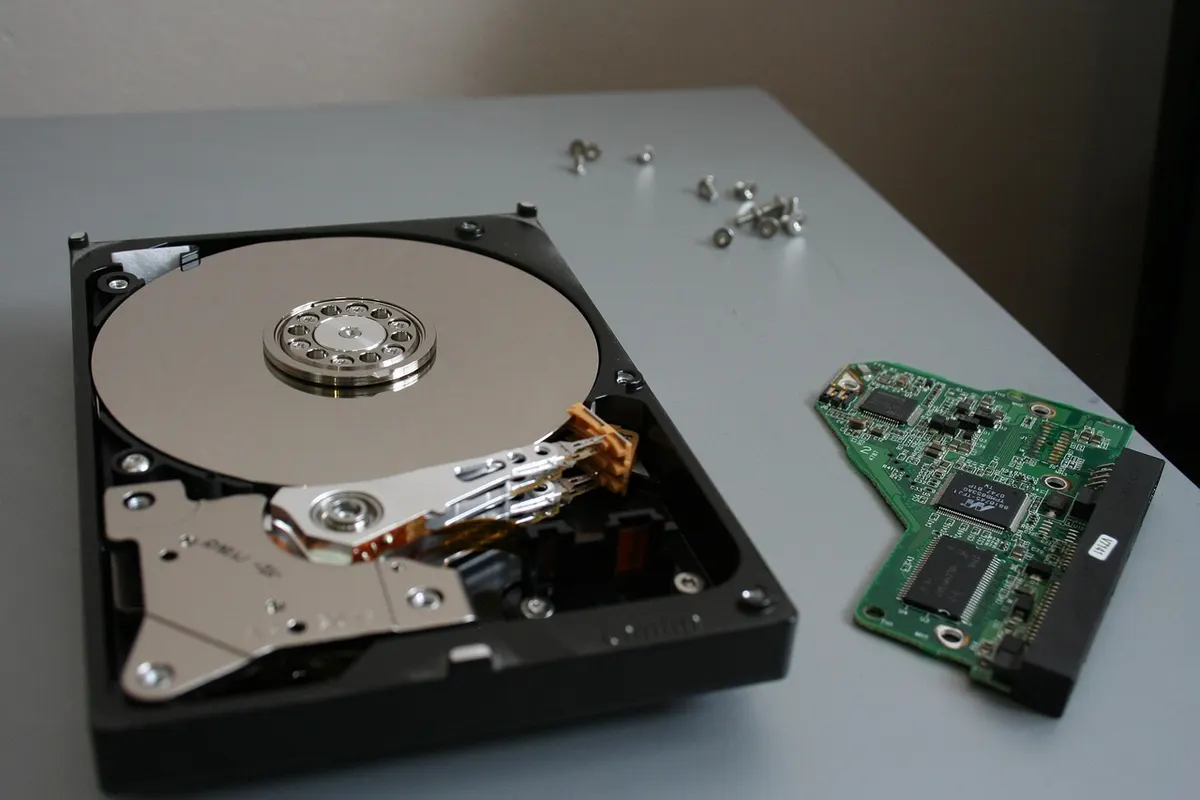
- A$1.5k-6k
- Side hustle
- From home
Estimates for a small start in Australia, not guarantees.
What it is
A small home lab that handles logical recoveries: deleted files, corrupted or reformatted drives, failed memory cards and phones that won't read. You use imaging hardware and recovery software, and refer physically damaged drives to a specialist lab.
Your first three steps
- Learn the basics through recovery courses or tutorials, then practise on old drives and cards until you can image them safely
- Buy a write-blocker or imaging tool, recovery software licences and anti-static gear, and set up a tidy, dust-free workspace
- Set up a simple website with clear pricing and a postal service, and tell local IT support businesses and camera clubs you take referrals
Who pays
Individuals with lost family photos, small businesses with a failed drive, and IT support firms that pass on recovery jobs.
How it makes money
A fixed price or tiered fee per recovery, often 'no recovery, no fee', plus extra for return drives and urgent turnaround.
Skills that help
- Comfortable with computers, file systems and operating systems
- Patience and careful, methodical work
- Clear, honest communication with stressed customers
Watch out for
- Privacy: you will see personal and business files, so use a confidentiality agreement and check your obligations under the Privacy Act
- Never promise a result, and explain the no-recovery terms clearly (check Australian Consumer Law guidance)
- Public liability and professional indemnity insurance, and whether cyber cover suits you
- Opening a failing drive can make things worse, so know when to refer it on
- Check with your local council whether you need approval to run a home-based business
Deep research report · Australia
Everything you need to start: home-based data recovery (software and mail-in)
Researched with live web search for Australia: real startup prices, the licences and rules, what others charge, a break-even example, how to find your first customers and a 30-day launch plan. With sources.
- Startup costs with real prices
- Licences, registration and rules
- Pricing: what others charge
- Break-even example
- Finding your first customers
- 30-day launch plan
- Risks and how to reduce them
Questions people ask
How much does it cost to start a data recovery business at home?
Startup costs are typically estimated at around $1,500 to $6,000, depending on the imaging hardware and recovery software you choose and how you set up your home workspace. Treat this as an estimate only.
How much can a home data recovery business earn?
Monthly revenue is typically estimated at around $800 to $4,000, depending on how many jobs you receive and what you charge. Many people start with at least about 8 hours a week. Revenue is before your costs and insurance.
What should I check about privacy and rules before offering data recovery?
Check your obligations under the Privacy Act and use a confidentiality agreement, as you will see personal files. Check Australian Consumer Law guidance on no-recovery terms, your insurance, and whether your council requires approval for a home-based business.
Other ways to run this business
Similar tech services ideas

Mobile phone and tablet screen repair
Drive to homes, offices and workplaces to replace cracked phone and tablet screens on the spot.
- A$1.5k-6k
- Side hustle
- Out and about
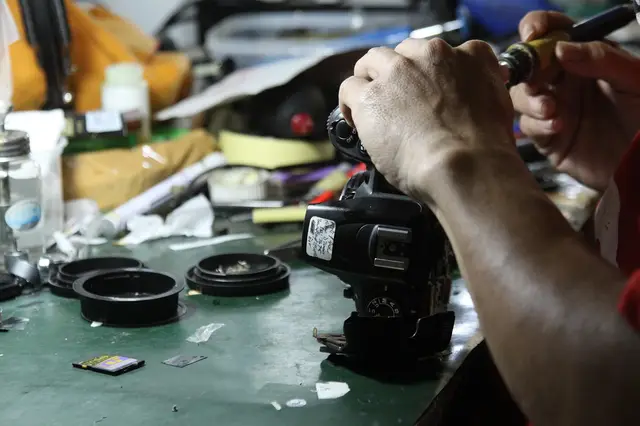
Home-based camera and lens repair
Fix and service cameras and lenses from a home workbench, taking jobs by post and local drop-off.
- A$1.5k-6k
- Side hustle
- From home

Online typewriter repair and restoration
Take mail-in repairs from around Australia and sell fully restored typewriters online.
- A$1.5k-6k
- Side hustle
- Online

Online payment terminal reseller
Help small businesses choose and set up card terminals by phone, video call and post, from home.
- A$1.5k-6k
- Side hustle
- Online
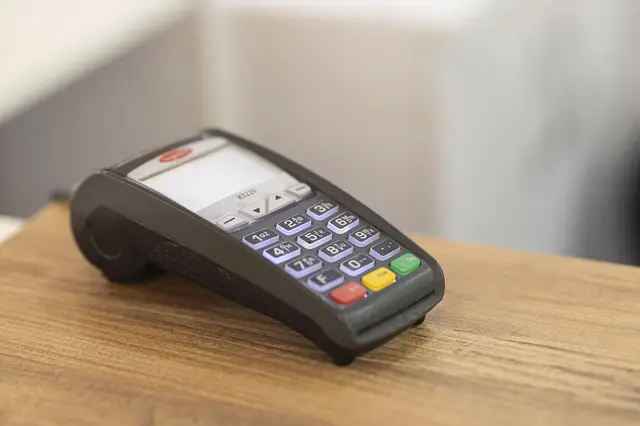
Card terminal hire for markets and events
Hire out portable card terminals to market stallholders and event organisers, with setup and support on the day.
- A$1.5k-6k
- Side hustle
- Out and about

Camera and video gear repair bench
Fix cameras, monitors and video gear for local creators and small studios from a home workshop.
- A$1.5k-6k
- Side hustle
- From home
Photo: hetmansoftware on Pixabay