Electronic parts counter and trade supplier
Run a small shop or unit stocking components for local repairers, makers and small manufacturers.

- A$20k-80k
- Full-time
- Own premises
Estimates for a small start in Australia, not guarantees.
What it is
A small shopfront or trade counter with a wide range of stocked parts, plus a service of sourcing special items on request. You also supply local workshops and small manufacturers on account.
Your first three steps
- Talk to local repairers, makerspaces and small manufacturers about the parts they struggle to get quickly
- Price up a small unit or shopfront and set up supplier accounts with wholesalers and distributors
- Open with a focused core range, offer trade accounts to local businesses, and expand stock based on what is asked for
Who pays
Repair shops, electricians and technicians, small manufacturers, schools and walk-in hobbyists who need a part the same day.
How it makes money
Margin on parts sold over the counter, trade account sales with repeat orders, and a sourcing fee or margin on special orders.
Skills that help
- Good knowledge of components and how they are used
- Stock control and buying
- Customer service and advice
- Basic bookkeeping
Watch out for
- Rent and stock tie up cash, start with a tight range
- Check council zoning and permits for your premises
- Public liability and stock or contents insurance
- Check whether you need an ABN and when GST registration applies
- Slow-moving stock can go out of date or become obsolete
- Competition from big online sellers, so focus on same-day service and advice
Deep research report · Australia
Everything you need to start: electronic parts counter and trade supplier
Researched with live web search for Australia: real startup prices, the licences and rules, what others charge, a break-even example, how to find your first customers and a 30-day launch plan. With sources.
- Startup costs with real prices
- Licences, registration and rules
- Pricing: what others charge
- Break-even example
- Finding your first customers
- 30-day launch plan
- Risks and how to reduce them
Questions people ask
How much does it cost to open an electronic parts shop?
Startup costs are typically around $20,000 to $80,000 as an estimate, depending on your premises, fit-out and the range of stock you buy. Rent and stock tie up cash, so starting with a tight range is worth considering.
How much can a trade counter for electronic parts earn?
Monthly revenue is typically around $5,000 to $25,000 as an estimate, depending on your stock range, trade accounts and walk-in customers. Competition from large online sellers may affect sales, so same-day service and advice matter.
What should I check before opening a parts counter?
Check council zoning and permits for your premises, and public liability plus stock or contents insurance. Also check whether you need an ABN and when GST registration applies, and keep in mind that slow-moving stock can become obsolete.
Other ways to run this business
Similar retail ideas
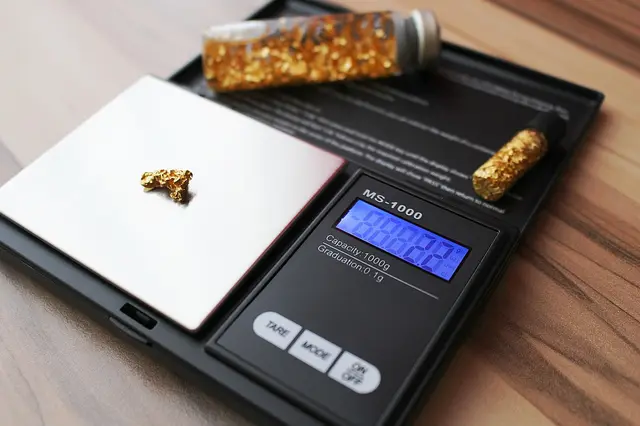
Gold and jewellery buying shopfront
Open a small secure shop where locals bring gold, silver and jewellery to be tested, weighed and bought.
- A$25k-80k
- Full-time
- Own premises

Local beauty supply shop
Open a small shop stocking hair, skin and nail products for local salons and the public.
- A$20k-80k
- Full-time
- Own premises

Local flag shop with a small shopfront
Open a small shop selling flags, poles and fittings, with advice and quick local orders.
- A$20k-80k
- Full-time
- Own premises

Knife shop with sharpening counter
Sell kitchen, pocket and hunting knives from a small shop and sharpen customers' knives while they wait.
- A$25k-80k
- Full-time
- Own premises

Neighbourhood stationery shop
Open a small shop selling pens, notebooks, art supplies and school and office basics to locals.
- A$25k-80k
- Full-time
- Own premises

Acrylic and plastics trade shop
Run a small unit with a cutting counter, selling acrylic sheet to sign makers, shopfitters and hobbyists.
- A$25k-80k
- Full-time
- Own premises
Photo: This_is_Engineering on Pixabay