Electronics vending route across your city
Run a larger network of accessory machines in transport hubs, venues and campuses, restocked from a van.

- A$20k-80k
- Full-time
- Out and about
Estimates for a small start in Australia, not guarantees.
What it is
A full-time route of several machines placed in higher-traffic venues such as universities, hospitals, hotels, shopping centres and event spaces. You manage placement deals, stock ordering, restocking and machine upkeep.
Your first three steps
- Test the idea first with one or two machines, tracking sales by site, before committing to more
- Approach property managers and venue operators with a simple pitch showing the revenue share you offer
- Plan your route, van and storage space, and set up bookkeeping and a remote machine monitoring system
Who pays
Customers buying accessories on the spot. Venue hosts take a share of takings, and you may pay a site fee in premium locations.
How it makes money
Margin on each item sold across many machines, after venue share, card fees, stock and running costs. Income depends on picking strong sites and keeping machines full.
Skills that help
- Negotiating and managing venue contracts
- Route planning and driving
- Stock ordering and simple bookkeeping
Watch out for
- Larger sites often want tenders, insurance certificates and set contract terms, check requirements before you pitch
- Public liability insurance, plus insurance for machines, stock and your vehicle
- Workers compensation insurance in your state once you hire help
- Electrical accessories must meet Australian safety and labelling rules, check with your state's regulator and the ACCC
- High upfront cost and a long wait to see which sites actually perform, so keep cash in reserve
- Losing a prime site when a venue contract ends
🔒 Full research report for Australia
Real cost breakdown with current prices, licences and registration checklist, local competition, pricing, break-even and a 30-day launch plan, with sources.
Coming soonQuestions people ask
How much does it cost to start a full-time electronics vending route?
Estimates suggest startup costs are typically around $20,000 to $80,000, depending on how many machines you install, your van, opening stock and any site fees. Treat these as estimates and keep cash in reserve while sites prove themselves.
How much can a full vending route earn?
Monthly revenue is typically estimated at around $3,000 to $12,000, depending on how well each site performs and the share paid to venues. The estimates assume at least about 25 hours a week for placement, restocking and upkeep.
What contracts and rules should I check for larger venues?
Larger sites often want tenders, insurance certificates and set contract terms, so check requirements before pitching. Check public liability plus cover for machines, stock and your vehicle, workers compensation if you hire, and electrical safety rules with your state's regulator and the ACCC.
Other ways to run this business
Similar retail ideas
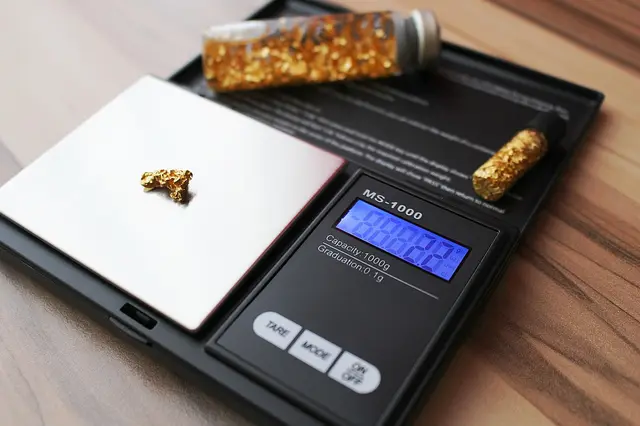
Gold and jewellery buying shopfront
Open a small secure shop where locals bring gold, silver and jewellery to be tested, weighed and bought.
- A$25k-80k
- Full-time
- Own premises

Local beauty supply shop
Open a small shop stocking hair, skin and nail products for local salons and the public.
- A$20k-80k
- Full-time
- Own premises

Local flag shop with a small shopfront
Open a small shop selling flags, poles and fittings, with advice and quick local orders.
- A$20k-80k
- Full-time
- Own premises
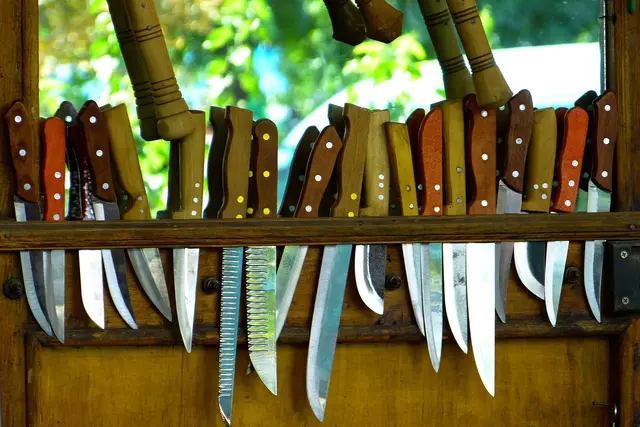
Knife shop with sharpening counter
Sell kitchen, pocket and hunting knives from a small shop and sharpen customers' knives while they wait.
- A$25k-80k
- Full-time
- Own premises
Neighbourhood stationery shop
Open a small shop selling pens, notebooks, art supplies and school and office basics to locals.
- A$25k-80k
- Full-time
- Own premises

Acrylic and plastics trade shop
Run a small unit with a cutting counter, selling acrylic sheet to sign makers, shopfitters and hobbyists.
- A$25k-80k
- Full-time
- Own premises