Mobile first aid trainer
Teach first aid and CPR courses at workplaces, clubs and community halls, working with a registered training organisation.

- A$2.5k-8k
- Side hustle
- Out and about
- Licence or permit needed
Estimates for a small start in Australia, not guarantees.
What it is
You travel to workplaces, childcare centres, clubs and community groups to run first aid and CPR courses, using manikins and a defibrillator trainer. Nationally recognised courses usually have to be delivered under a registered training organisation (RTO).
Your first three steps
- Check the trainer and assessor qualification and first aid units needed, and enrol in a course such as a Certificate IV in Training and Assessment
- Contact RTOs about contracting or partnering to deliver courses under their registration
- Buy a basic set of training manikins and a defibrillator trainer, then approach local employers and childcare centres
Who pays
Employers, childcare and aged care providers, sports clubs, schools and individuals who need or want a first aid certificate.
How it makes money
A fee per participant or a group price per session, with refresher courses bringing repeat bookings, usually every few years.
Skills that help
- Confident teaching and public speaking
- Up-to-date first aid knowledge
- Organising bookings and paperwork
Watch out for
- Nationally recognised training must be delivered under an RTO, check ASQA rules before you advertise certificates
- Public liability and professional indemnity insurance
- Training equipment needs cleaning between uses and replacing over time
- Keep your own first aid qualification and industry currency up to date
- Courses can be seasonal and you may rely on a few large clients
🔒 Full research report for Australia
Real cost breakdown with current prices, licences and registration checklist, local competition, pricing, break-even and a 30-day launch plan, with sources.
Coming soonQuestions people ask
How much does it cost to start a mobile first aid training business?
Estimates suggest startup costs are typically around $2,500 to $8,000, depending on training equipment such as manikins and defibrillator trainers, plus insurance. Equipment also needs cleaning and replacing over time.
How much can a mobile first aid trainer earn?
Estimates suggest monthly revenue is typically around $1,200 to $6,000, depending on how many courses you run and your fees. Courses can be seasonal, and relying on a few large clients adds risk.
Do I need to be a registered training organisation to teach first aid?
Check ASQA rules before advertising certificates, as nationally recognised training must be delivered under an RTO. Also check public liability and professional indemnity insurance, and keep your own first aid qualification and industry currency up to date.
Other ways to run this business
Similar health and wellness ideas

Counselling from a rented consulting room
Meet clients face to face in a rented room in a shared health or wellbeing centre.
- A$2k-8k
- Part-time
- Own premises

Home-based kinesiology practice
See clients one-on-one in a spare room at home, using muscle testing to guide wellbeing advice.
- A$2k-8k
- Side hustle
- From home
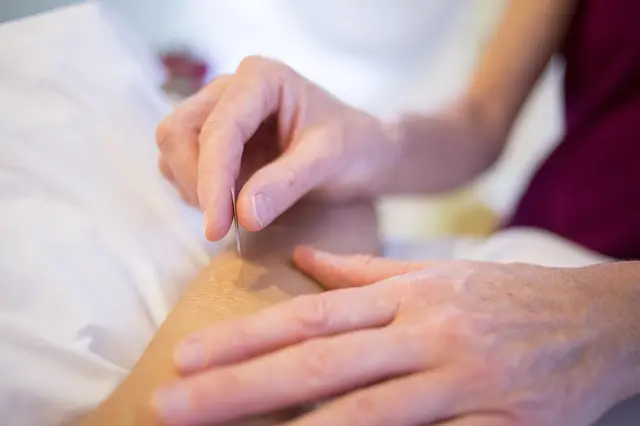
Acupuncture from a rented clinic room
Treat your own clients from a room you rent by the day or session in an existing wellness clinic.
- A$2k-8k
- Part-time
- Own premises
Couples counsellor in rented consulting rooms
See couples face to face in a rented room by the hour or day, helping them communicate better and work through conflict.
- A$2k-8k
- Part-time
- Own premises
Part-time Ayurvedic practice in a rented room
See Ayurvedic clients by appointment from a room hired in a wellness centre, with low costs and flexible hours.
- A$2k-8k
- Side hustle
- Own premises
Blood collection for employers and clinics
Take blood samples on site for employers, health programs and clinics that need collections done at set times.
- A$2.5k-8k
- Part-time
- Out and about