Home-Based food and drink export trader
Buy Australian food and drink from local producers and sell it to overseas importers and distributors from your home office.

- A$2k-10k
- Side hustle
- From home
Estimates for a small start in Australia, not guarantees.
What it is
You act as the link between small Australian producers and overseas buyers. You pick a niche, such as honey, wine, snacks or sauces, and a target market. You buy stock or arrange orders, then ship through a freight forwarder.
Your first three steps
- Choose one product category and one target country, then research what buyers there already import
- Contact Austrade and a freight forwarder to learn about export paperwork, shipping costs and market entry help
- Ask 3 to 5 producers for wholesale prices and samples, then send those samples to potential overseas buyers
Who pays
Overseas importers, distributors, specialty retailers and restaurant groups, who pay you for the products you supply.
How it makes money
You buy at a producer price and sell at a higher price per carton or pallet. The difference covers freight, paperwork and your profit. Margins can be thin, so volume and repeat orders matter.
Skills that help
- Negotiating and building relationships
- Careful paperwork and organisation
- Patience with long sales cycles
- Knowledge of one product category and one overseas market
Watch out for
- Some products (such as meat, dairy, seafood, eggs and some plant products) need export permits or registration through the Department of Agriculture, Fisheries and Forestry, so check your product's rules
- Check the importing country's labelling, ingredient and food safety requirements before you ship
- Get paid safely: check payment terms such as upfront payment or letters of credit, and consider trade credit risk
- Check your insurance needs, including cargo insurance and product liability
- You need an ABN, and exports are often GST-free, but check GST rules with the ATO or an accountant
- Check with your local council whether you need approval for a home-based business, especially if you store stock at home
Deep research report · Australia
Everything you need to start: home-based food and drink export trader
Researched with live web search for Australia: real startup prices, the licences and rules, what others charge, a break-even example, how to find your first customers and a 30-day launch plan. With sources.
- Startup costs with real prices
- Licences, registration and rules
- Pricing: what others charge
- Break-even example
- Finding your first customers
- 30-day launch plan
- Risks and how to reduce them
Questions people ask
How much does it cost to start a food export business from home?
Startup costs are typically around $2,000 to $10,000, depending on your product niche, how much stock you buy and your shipping and insurance arrangements. These are estimates, so get freight and cargo insurance quotes before you commit.
How much can a home-based food export trader earn?
Monthly revenue is typically around $3,000 to $15,000, depending on your product, your target market and how many orders you secure. This is an estimate, and sales cycles with overseas buyers can be long.
What rules should I check before exporting food and drink?
Some products, such as meat, dairy, seafood, eggs and some plant products, need export permits or registration through the Department of Agriculture, Fisheries and Forestry. Check the importing country's labelling and food safety rules, and your GST position with the ATO or an accountant.
Other ways to run this business
Similar food ideas
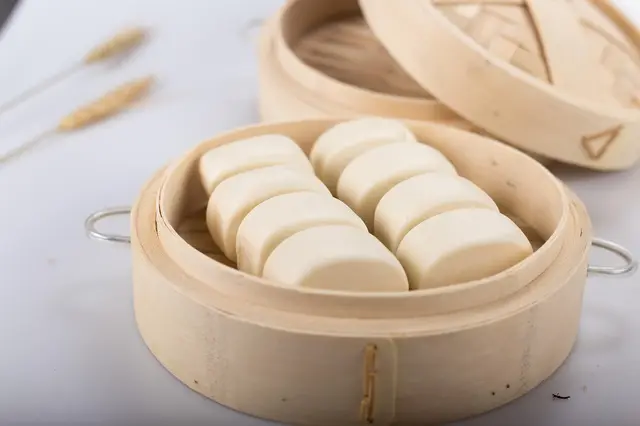
Steamed bun market stall
Sell fresh steamed buns at weekend markets and local events from a stall.
- A$3k-10k
- Side hustle
- Out and about
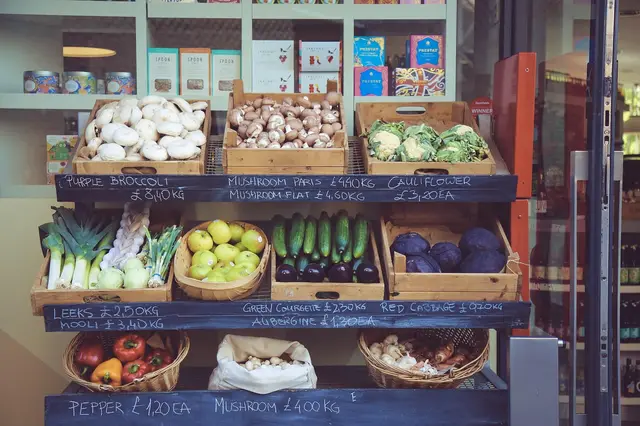
Farmers market fruit and veg stall
Sell fresh produce from a stall at weekend markets, with low overheads and no shop lease.
- A$2k-10k
- Side hustle
- Out and about

Online Filipino grocery store
Sell Filipino pantry goods and snacks online and post them to customers who live far from a Filipino shop.
- A$2k-10k
- Side hustle
- Online

Pretzel stall for markets and events
Bake fresh pretzels and sell them at weekend markets, fairs and local events.
- A$2.5k-10k
- Side hustle
- Out and about
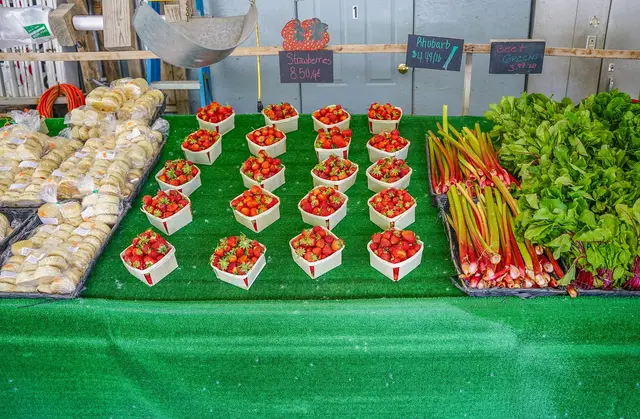
Fruit and veg market stall
Sell fresh produce from a stall at weekend farmers and community markets.
- A$2k-10k
- Side hustle
- Out and about
Pop-up teahouse at markets and events
Run a traditional tea setup at markets, fairs and private events to test the idea before paying for a shopfront.
- A$2.5k-10k
- Side hustle
- Out and about