Small-batch food brand from a shared kitchen
Rent hours in a commercial kitchen to make a packaged food range for cafes, delis and retailers.
- A$3k-15k
- Part-time
- Own premises
- Licence or permit needed
Estimates for a small start in Australia, not guarantees.
What it is
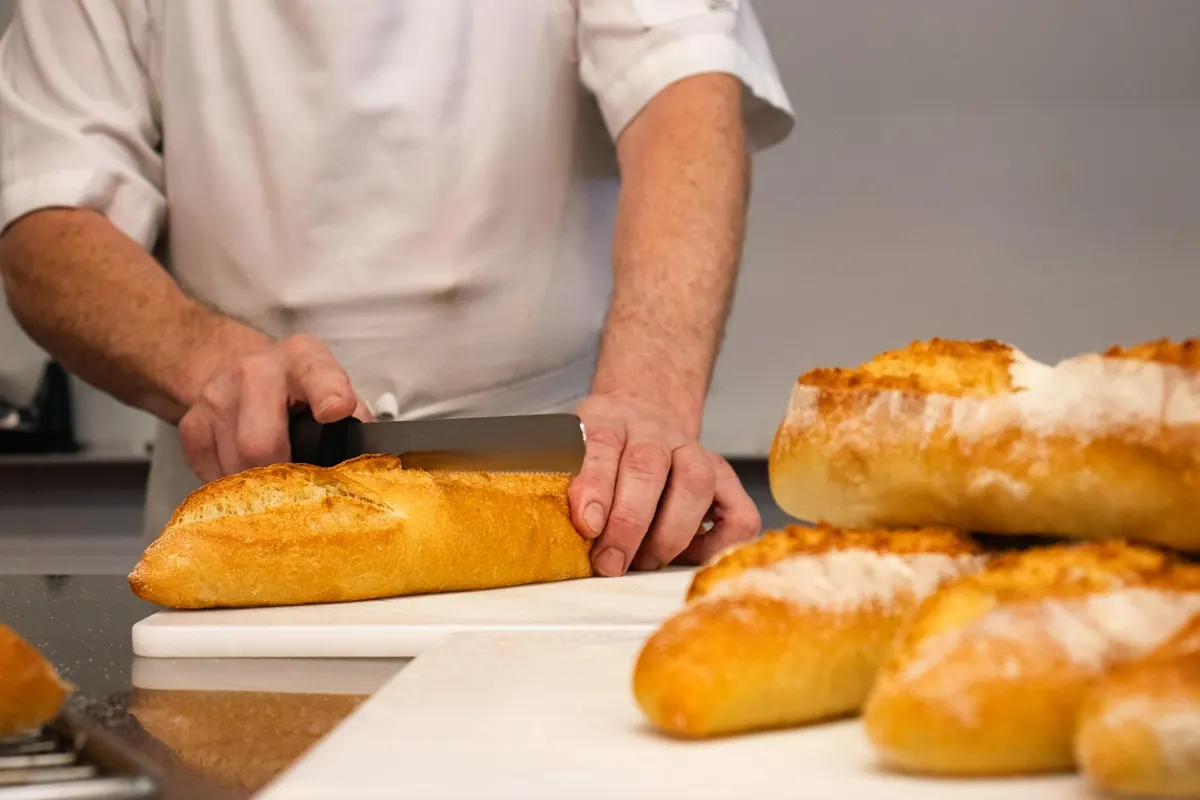
Producing a branded product, such as sauces, dips, pasta, snacks or frozen meals, in a hired commercial kitchen and supplying shops, cafes and online customers.
Your first three steps
- Find shared or hireable commercial kitchens near you and ask about hourly rates, storage and what paperwork they need
- Register your food business with the council where your kitchen is based and get an ABN
- Make a trial batch, work out your cost per unit and take samples to local delis and cafes
Who pays
Delis, cafes, independent grocers, farm shops, and customers buying online or at markets.
How it makes money
Wholesale sales in bulk to retailers at a lower price, plus direct sales at a higher price through markets and your own website.
Skills that help
- Recipe development and scaling up
- Food safety and traceability
- Costing and wholesale pricing
- Approaching shops and building relationships
Watch out for
- Food business registration with the relevant council, and any state food safety program requirements
- Labelling, allergen and shelf-life rules under the Food Standards Code, so check before you sell
- Public liability and product liability insurance, which stockists often ask to see
- Cash flow, as retailers may pay on 30-day terms while you buy ingredients up front
- Minimum order sizes and packaging costs eating into margins
- GST registration once turnover reaches the threshold
Deep research report · Australia
Everything you need to start: small-batch food brand from a shared kitchen
Researched with live web search for Australia: real startup prices, the licences and rules, what others charge, a break-even example, how to find your first customers and a 30-day launch plan. With sources.
- Startup costs with real prices
- Licences, registration and rules
- Pricing: what others charge
- Break-even example
- Finding your first customers
- 30-day launch plan
- Risks and how to reduce them
Questions people ask
How much does it cost to start a small-batch food brand?
Startup costs are typically estimated at around $3,000 to $15,000, depending on kitchen hire hours, ingredients, packaging and branding. Minimum order sizes and packaging costs can eat into margins, so get quotes before you commit.
How much can a small-batch food brand earn?
Monthly revenue is typically estimated at around $1,500 to $7,500, depending on how many shops, cafes and online customers you supply and your wholesale pricing. The estimate assumes about 15 or more hours a week.
What rules and insurance should I check before supplying shops?
Check food business registration with your council, any state food safety program requirements, and labelling, allergen and shelf-life rules under the Food Standards Code. Also check public liability and product liability insurance, which stockists often ask to see, and GST registration.
Other ways to run this business
Similar food ideas

Online Italian pantry and hampers
Sell Italian pantry staples and gift hampers through your own website, packed and posted from a spare room or small storage space.
- A$3k-15k
- Side hustle
- Online

Dessert stall for markets and events
Sell desserts at weekend markets and book catering for parties, weddings and corporate events.
- A$3k-15k
- Side hustle
- Out and about

Local bottled water delivery round
Buy bottled mineral water in bulk and deliver it to cafés, offices and small venues in your area.
- A$3k-15k
- Side hustle
- Out and about
Online rice and grain supplier
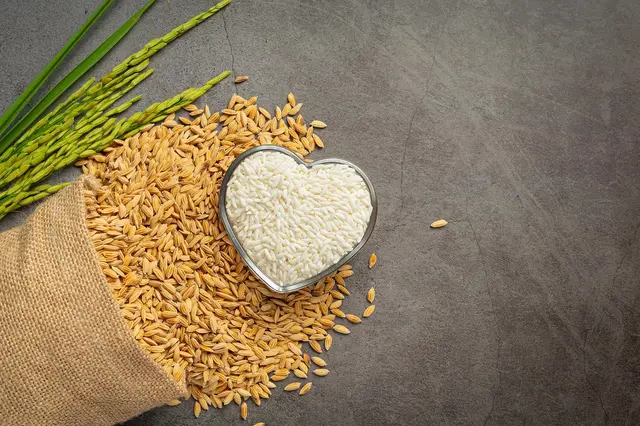
Sell specialty rice and grains online and deliver to households and local restaurants, without a shopfront.
- A$3k-15k
- Side hustle
- Online
Fresh tortilla maker for cafés
Make fresh corn or flour tortillas in a licensed kitchen and deliver them to local cafés, restaurants and food trucks.
- A$3k-15k
- Part-time
- Own premises
Brazilian pastel market stall
Fry crispy Brazilian pastéis to order at weekend markets, festivals and events.
- A$4k-15k
- Side hustle
- Out and about
Photo: Storme22k on Pixabay