Neighbourhood greengrocer shop
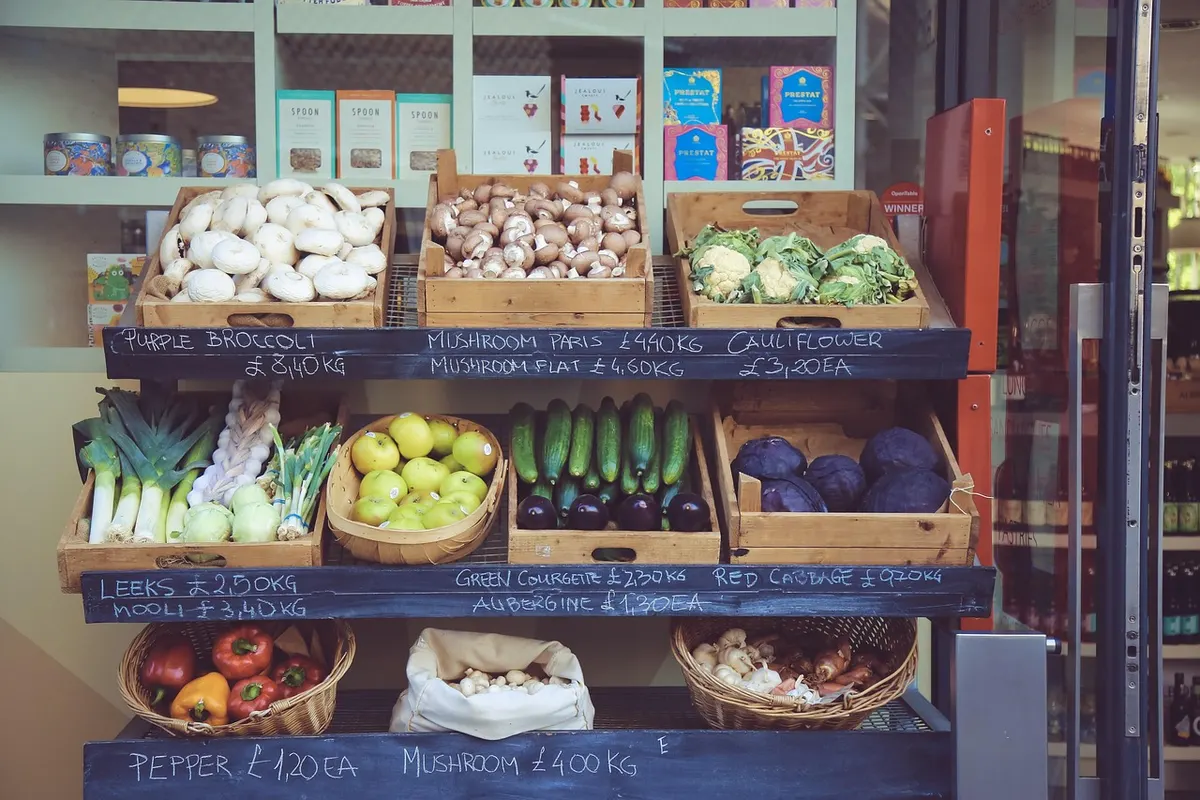
Run a small fruit and veg shop selling fresh local produce to people in your suburb or town.
- A$25k-100k
- Full-time
- Own premises
- Licence or permit needed
Estimates for a small start in Australia, not guarantees.
What it is
A small shop selling fresh fruit and vegetables, often with eggs, herbs, nuts and a few pantry extras. You buy from wholesale markets or local growers, then display and sell daily.
Your first three steps
- Visit your nearest wholesale produce market and local growers to compare prices and ask about opening a buyer account
- Check shop rents and foot traffic in two or three suburbs, and see how many greengrocers and supermarkets are already close by
- Contact your local council about food business registration and fit-out rules, and get quotes for chillers, shelving and scales
Who pays
Local households, home cooks, and nearby cafes or small eateries that want a convenient supplier.
How it makes money
You buy produce at wholesale prices and sell it at a mark-up per kilo or item. Boxes, specials and small add-on products help lift the average sale.
Skills that help
- Judging produce quality and freshness
- Buying and managing stock to limit waste
- Friendly customer service
- Early starts and physical work
Watch out for
- Food business registration with your local council and any food safety supervisor or training requirements in your state
- Public liability and stock insurance, and check cover for fridge breakdowns
- Wastage of fresh stock, which can eat into margins quickly
- Scales used for trade generally need to meet national measurement rules, check with the relevant authority
- Long, early hours at the start, and lease terms to review before you sign
Deep research report · Australia
Everything you need to start: neighbourhood greengrocer shop
Researched with live web search for Australia: real startup prices, the licences and rules, what others charge, a break-even example, how to find your first customers and a 30-day launch plan. With sources.
- Startup costs with real prices
- Licences, registration and rules
- Pricing: what others charge
- Break-even example
- Finding your first customers
- 30-day launch plan
- Risks and how to reduce them
Questions people ask
How much does it cost to open a greengrocer shop in Australia?
Estimates suggest startup costs typically sit around $25,000 to $100,000, depending on the shop fit-out, lease and opening stock. Review lease terms carefully before you sign, and budget for insurance and stock cover as well.
How much can a fruit and veg shop earn?
Monthly revenue is typically estimated around $15,000 to $60,000, depending on location, opening hours and how much stock you sell. Wastage of fresh produce can eat into margins quickly, so revenue is not the same as profit.
What licences and rules apply to a greengrocer?
Check food business registration with your local council and any food safety supervisor or training requirements in your state. Also check public liability and stock insurance, and whether trade scales need to meet national measurement rules.
Other ways to run this business

Similar food ideas

Fresh pasta shop
Make and sell fresh pasta, sauces and Italian pantry goods from a small local shopfront.
- A$25k-100k
- Full-time
- Own premises
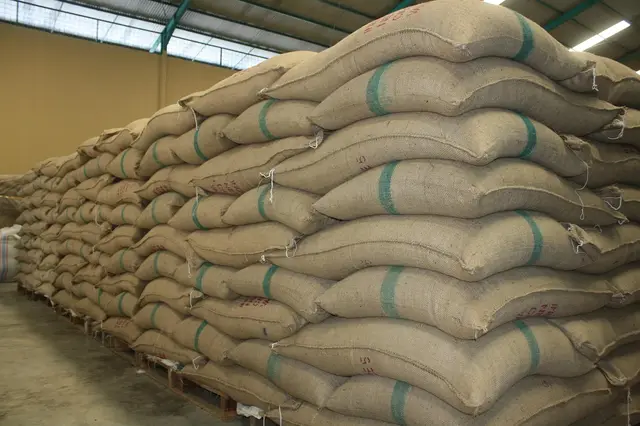
Roast and supply wholesale coffee
Roast beans in a small unit and supply cafés and shops with your own local brand.
- A$25k-100k
- Full-time
- Own premises

Local lolly and chocolate shop
Open a small shop selling lollies, chocolates and gifts by weight or pack to locals and visitors.
- A$25k-100k
- Full-time
- Own premises

Rice and grain shop
Run a small shop selling bulk and packaged rice and grains to local households and restaurants.
- A$25k-100k
- Full-time
- Own premises

Weekly meal prep subscription
Run a full-time meal prep kitchen and deliver weekly meal packs to regular subscribers.
- A$25k-100k
- Full-time
- Own premises
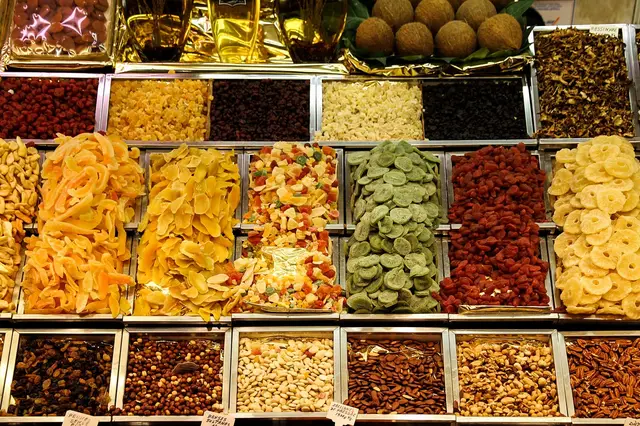
Dried fruit and nut shop
Run a small shop selling nuts, dried fruit and snack ingredients to local home cooks.
- A$25k-100k
- Full-time
- Own premises
Photo: Pexels on Pixabay