Community grocery run for offices and groups
Take bulk grocery orders from workplaces, retirement villages or groups and deliver in one run.
- A$1k-5k
- Part-time
- Out and about
Estimates for a small start in Australia, not guarantees.
What it is
You gather orders from a group, such as an office, retirement village, sports club or street, buy the items in bulk or from local suppliers, and deliver them on a set day each week.
Your first three steps
- Approach two or three local workplaces or retirement communities and ask what they would order each week
- Set up a simple online order form and a payment method, and agree a weekly cut-off and delivery day
- Test a trial run with a small group, then ask for feedback and referrals
Who pays
Workplaces stocking kitchens, retirement and community living residents, clubs, and groups of neighbours.
How it makes money
A service fee on each order or a small percentage on top of the shopping total, plus a delivery fee. Grouped drop-offs mean more orders per trip.
Skills that help
- Organising orders and spreadsheets
- Negotiating with local suppliers
- Reliable driving and time management
Watch out for
- Public liability insurance, and check your vehicle insurance covers regular business deliveries
- Food safety and temperature control for chilled items, check your local council's rules
- Selling goods rather than just shopping may change how you handle GST, check with the ATO or an accountant
- A van or large car may be needed for bulk loads, plus time spent lifting
- Relying on one or two large clients is a risk, aim to spread your customers
Deep research report · Australia
Everything you need to start: community grocery run for offices and groups
Researched with live web search for Australia: real startup prices, the licences and rules, what others charge, a break-even example, how to find your first customers and a 30-day launch plan. With sources.
- Startup costs with real prices
- Licences, registration and rules
- Pricing: what others charge
- Break-even example
- Finding your first customers
- 30-day launch plan
- Risks and how to reduce them
Questions people ask
How much does it cost to start a bulk grocery delivery business?
Startup costs are typically around $1,000 to $5,000, depending on your vehicle, insurance and how you source stock. A van or large car may be needed for bulk loads, so factor that into your own costs.
What should I check before running bulk grocery deliveries?
Check public liability insurance and that your vehicle insurance covers regular business deliveries. Also check food safety and temperature control rules for chilled items with your local council, and check with the ATO or an accountant how GST applies if you sell goods.
How much can a community grocery run earn?
Monthly revenue is typically around $1,500 to $7,000, depending on how many groups you serve and order sizes. The estimate assumes at least about 15 hours a week. Relying on one or two large clients is a risk, so spread your customers.
Other ways to run this business
Similar retail ideas
Refurbished appliance reseller (online)
Buy used washers, fridges and dryers, test and clean them, and sell online for pickup or local delivery.
- A$1k-5k
- Side hustle
- From home

Online bangle store
Sell bangle sets and matching jewellery online for weddings, festivals and gifts.
- A$1k-5k
- Side hustle
- Online

Online phone accessory store
Sell phone cases, chargers and screen protectors online from home, posting orders to customers across Australia.
- A$1k-5k
- Side hustle
- Online
Weekend bargain stall at local markets
Test the outlet idea with discounted and surplus stock sold from a stall at weekend markets.
- A$1k-5k
- Side hustle
- Out and about
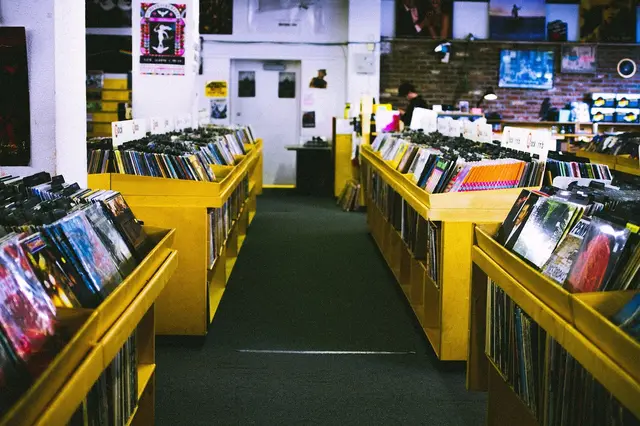
Online record seller with market stalls
Buy, grade and sell second-hand vinyl online and at weekend markets, with no shop rent.
- A$1k-5k
- Side hustle
- From home
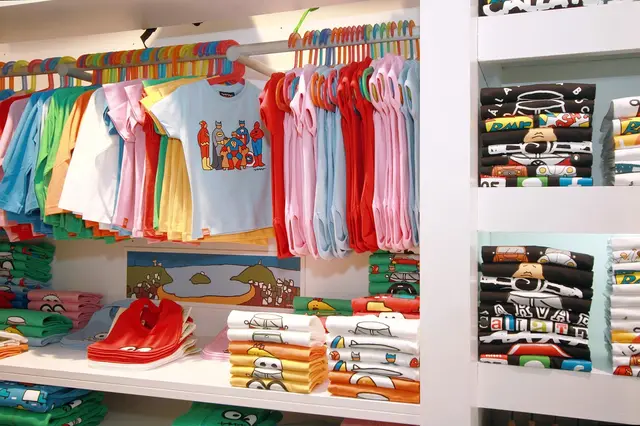
Baby clothes market stall and pop-up
Sell baby and toddler clothes at weekend markets and pop-ups, with no shop lease.
- A$1.5k-5k
- Side hustle
- Out and about