Mini excavator groundworks operator
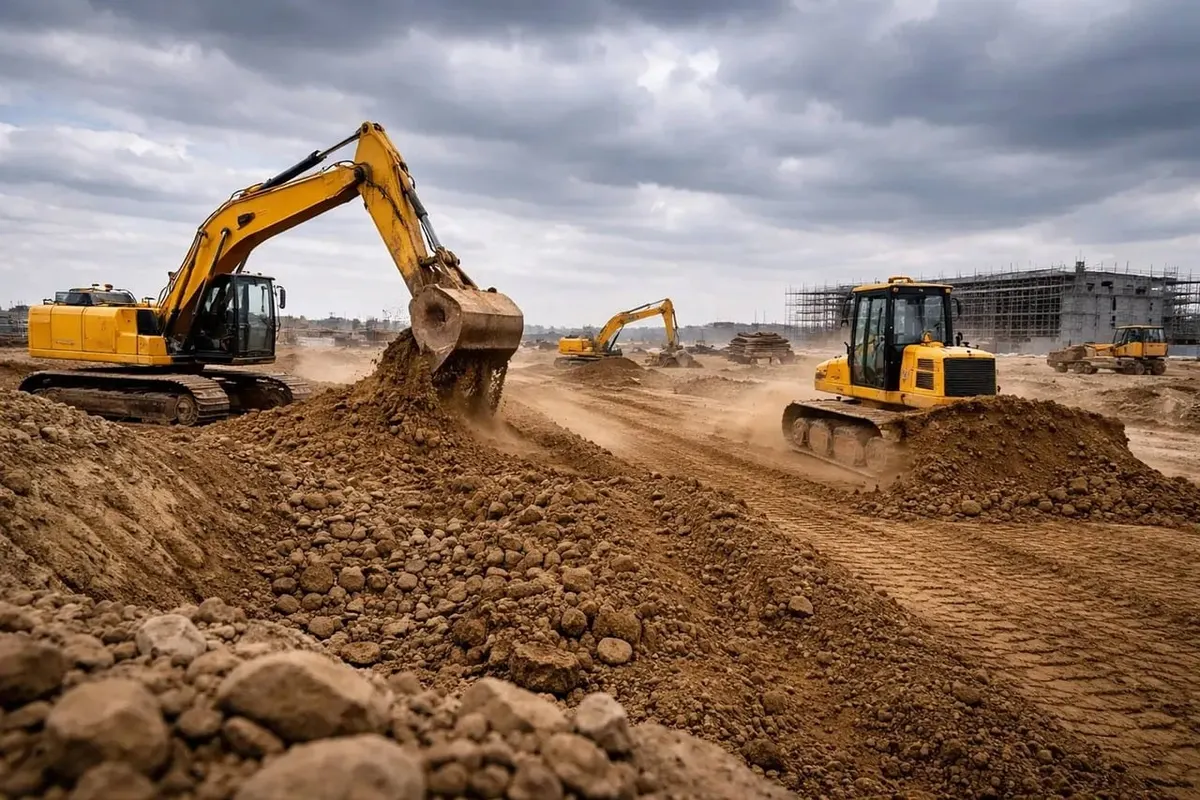
Own a mini excavator and trailer, and dig, level and trench for home builders, landscapers and homeowners.
- A$20k-80k
- Full-time
- Out and about
- Licence or permit needed
Estimates for a small start in Australia, not guarantees.
What it is
Site preparation using your own mini excavator or skid steer: digging footings and trenches, levelling pads, driveway and pool excavation, drainage trenches and removing spoil. You usually work on residential and small commercial jobs.
Your first three steps
- Get your white card and any machine operator ticket or training your state expects, then check what insurers want
- Price a good second-hand mini excavator, trailer and tow vehicle, and work out your hourly rate with some local rate comparisons
- Introduce yourself to local builders, landscapers and concreters and offer to quote on their next small job
Who pays
Homeowners, small builders, landscapers, fencers and concreters who need earthworks done but don't have their own machine.
How it makes money
Hourly or daily machine-and-operator rate, or a fixed price per job. Extra income from tipping and spoil removal, and from attachments like augers and trenchers.
Skills that help
- Confident machine operation
- Reading site plans and levels
- Quoting and job planning
- Reliable and safety-minded
Watch out for
- Public liability and plant/equipment insurance, and check cover for underground services damage
- Use Dial Before You Dig on every job to avoid hitting gas, power or water lines
- Check your state's rules on builder or contractor licensing, which can apply above certain job values, and whether drainage work needs a licensed plumber
- White card and any operator ticket requirements, which vary by state
- Large machine finance and repair costs if work is quiet, and wet weather delays
- Check council rules on spoil disposal and tip fees
Deep research report · Australia
Everything you need to start: mini excavator groundworks operator
Researched with live web search for Australia: real startup prices, the licences and rules, what others charge, a break-even example, how to find your first customers and a 30-day launch plan. With sources.
- Startup costs with real prices
- Licences, registration and rules
- Pricing: what others charge
- Break-even example
- Finding your first customers
- 30-day launch plan
- Risks and how to reduce them
Questions people ask
How much does it cost to start a mini excavator business?
Startup costs are typically estimated at around $20,000 to $80,000, depending on the machine, trailer and insurance you choose. Machine finance and repair costs continue if work is quiet, and wet weather can cause delays.
How much can a mini excavator operator earn?
Monthly revenue is typically estimated at around $6,000 to $25,000, depending on how many jobs you win and what you charge. Plan for at least about 25 hours a week.
What licences and rules apply to groundworks in Australia?
Check public liability and plant insurance, white card and operator ticket requirements, and your state's builder or contractor licensing rules. Use Dial Before You Dig on every job, check whether drainage work needs a licensed plumber, and check council spoil rules.
Other ways to run this business
Similar trades ideas
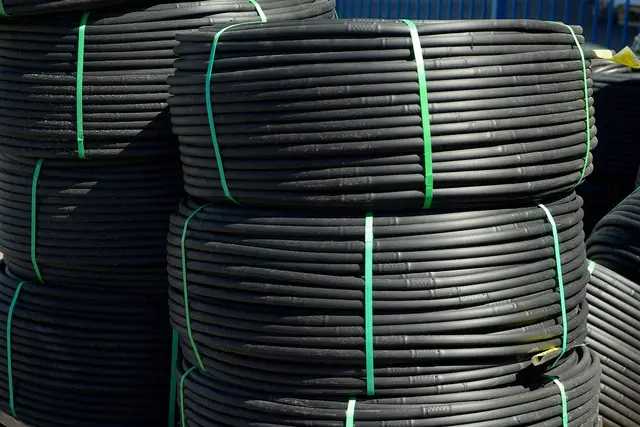
Mobile hose and fittings van
Drive to farms, workshops and worksites with hose stock, and make or replace hoses on the spot.
- A$25k-80k
- Part-time
- Out and about
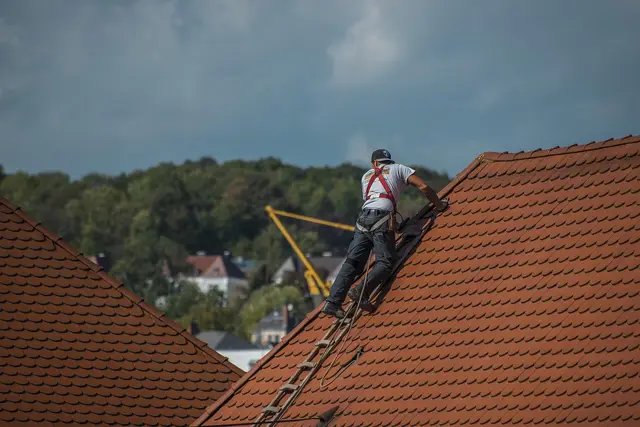
Re-roofing crew for homes and small buildings
Lead a small crew that replaces tile or metal roofs on homes and small commercial buildings.
- A$20k-80k
- Full-time
- Out and about
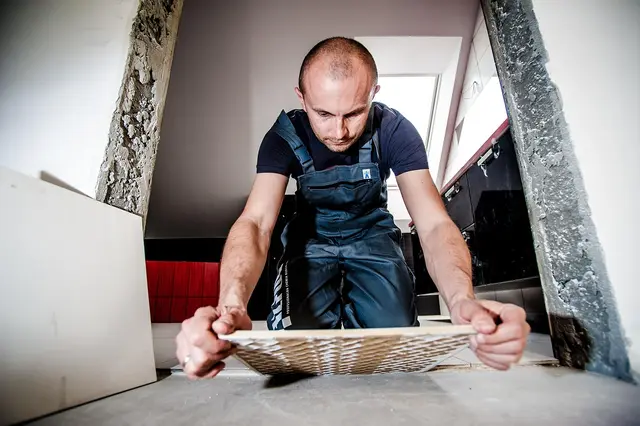
Flooring supply and fit with a small showroom
Sell and fit carpet, timber, vinyl and tile to homeowners from a small shopfront or unit with samples.
- A$20k-80k
- Full-time
- Own premises
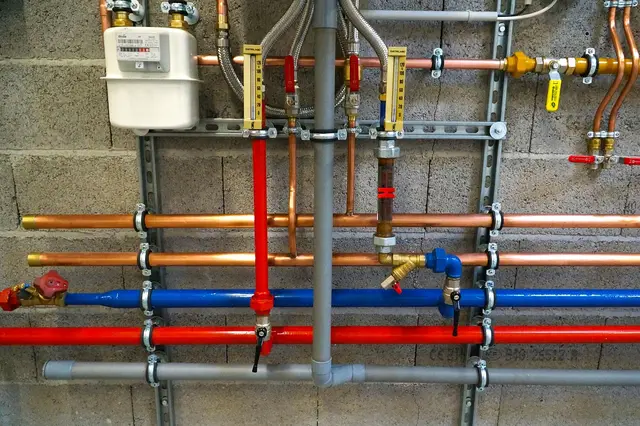
Commercial gas fitting crew
Run a small crew installing gas lines and equipment for cafes, restaurants, pubs and small developments.
- A$25k-80k
- Full-time
- Out and about
Commercial partitions and ceilings crew
Lead a small crew building office and shop partitions and ceilings for developers and fit-out firms.
- A$20k-80k
- Full-time
- Out and about
Luggage repair shopfront
Run a small repair shop near an airport, shopping strip or travel hub, fixing luggage and bags while customers wait or return.
- A$25k-80k
- Full-time
- Own premises
Photo: coldironexcavation on Pixabay