Neighbourhood gym in a small leased unit
Fit out a small unit with quality equipment and sign up locals on weekly or monthly memberships.
- A$30k-120k
- Full-time
- Own premises
Estimates for a small start in Australia, not guarantees.
What it is
A compact gym in a leased shop or industrial unit, with free weights, a few machines and a cardio area. You can run it staffed or with member key-fob access, and add small group classes or a few personal training sessions.
Your first three steps
- Look at gyms near your target suburb and check their prices, hours and gaps, then talk to a few locals about what they want
- Price up a lease, equipment (new or second-hand) and insurance, and work out how many members you need to break even
- Get a Cert III or IV in Fitness if you plan to train people, and talk to your local council about the unit's permitted use
Who pays
Local residents and workers who want a cheaper, friendlier alternative to the big chains, plus people who prefer a smaller gym.
How it makes money
Recurring membership fees (weekly, fortnightly or monthly), plus day passes, personal training and optional classes.
Skills that help
- Good people skills and a welcoming manner
- Knowledge of exercise and gym equipment
- Basic budgeting and sales to keep memberships up
Watch out for
- Check with your local council whether the unit's zoning and approvals allow a gym, including parking and noise
- Public liability and professional indemnity insurance, and workers compensation once you hire (state schemes)
- Member contracts and cancellation terms, check Australian Consumer Law requirements and your state's fitness industry rules
- Big upfront costs and a lease commitment, so read the lease terms carefully before signing
- Staff and trainers need appropriate qualifications, first aid and CPR, and a check for working with children if you run kids' programs
Deep research report · Australia
Everything you need to start: neighbourhood gym in a small leased unit
Researched with live web search for Australia: real startup prices, the licences and rules, what others charge, a break-even example, how to find your first customers and a 30-day launch plan. With sources.
- Startup costs with real prices
- Licences, registration and rules
- Pricing: what others charge
- Break-even example
- Finding your first customers
- 30-day launch plan
- Risks and how to reduce them
Questions people ask
How much does it cost to open a small gym in Australia?
Startup costs are typically around $30,000 to $120,000, depending on the unit, your equipment and how much fit-out you need. Big upfront costs and a lease commitment are involved, so read the lease terms carefully.
How much can a small neighbourhood gym earn?
Monthly revenue is typically around $6,000 to $30,000, depending on your membership numbers, pricing and any classes or personal training you add. These figures are estimates only, not guaranteed income.
What rules should I check before opening a gym?
Things to check include council zoning and approvals for a gym (parking, noise), Australian Consumer Law and state fitness industry rules for member contracts, insurance, and staff qualifications, first aid, CPR and checks for working with children.
Other ways to run this business
Similar sports and fitness ideas
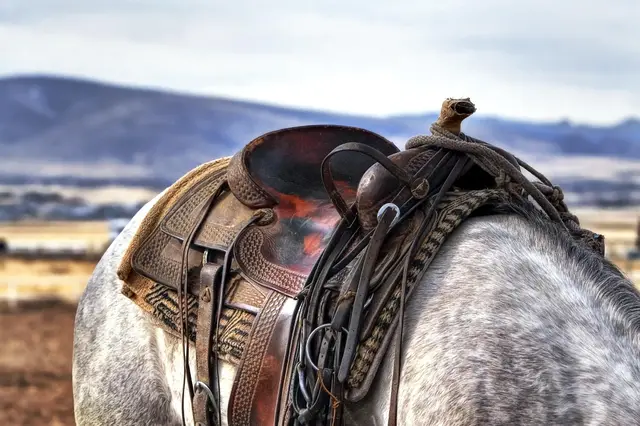
Mobile saddle fitter and tack seller
Visit stables and riders with a van of saddles and tack to fit, sell and repair on the spot.
- A$25k-120k
- Part-time
- Out and about
Water ski club with your own tow boat
Own a ski boat and run a year-round club with memberships, lessons and events for local skiers.
- A$30k-120k
- Part-time
- Out and about
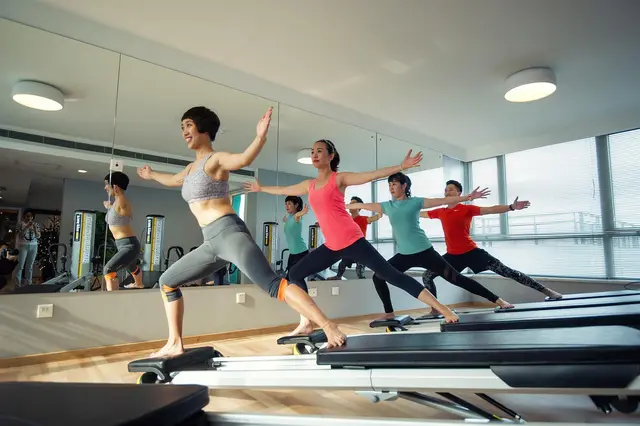
Pilates studio with memberships
Lease a small studio and run a timetable of classes with a membership base and a few instructors.
- A$25k-120k
- Full-time
- Own premises
Boxing gym with its own premises
Lease a small unit, fit it out with a ring and bags, and run a member-based boxing club.
- A$25k-100k
- Full-time
- Own premises
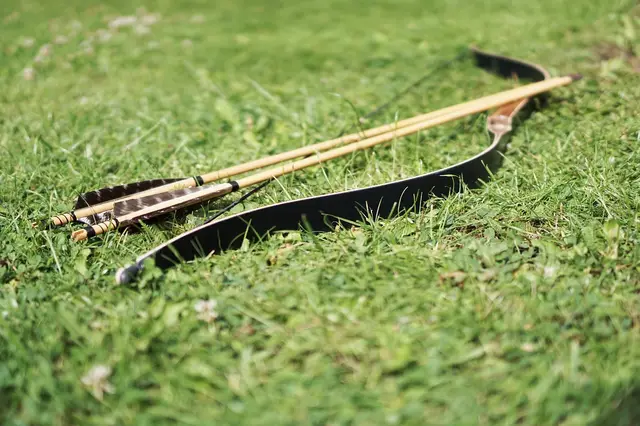
Archery shop with in-store tuning
Sell bows, arrows and accessories from a small shop, with bow setup and tuning for local archers.
- A$25k-100k
- Full-time
- Own premises
Local sports shop with fitting and advice
Run a small shop selling gear for local clubs, schools and players, with hands-on fitting and advice.
- A$25k-100k
- Full-time
- Own premises