Handyman for landlords and property managers
Run a ute or van handyman business with steady repair work from rental properties, agents and small businesses.
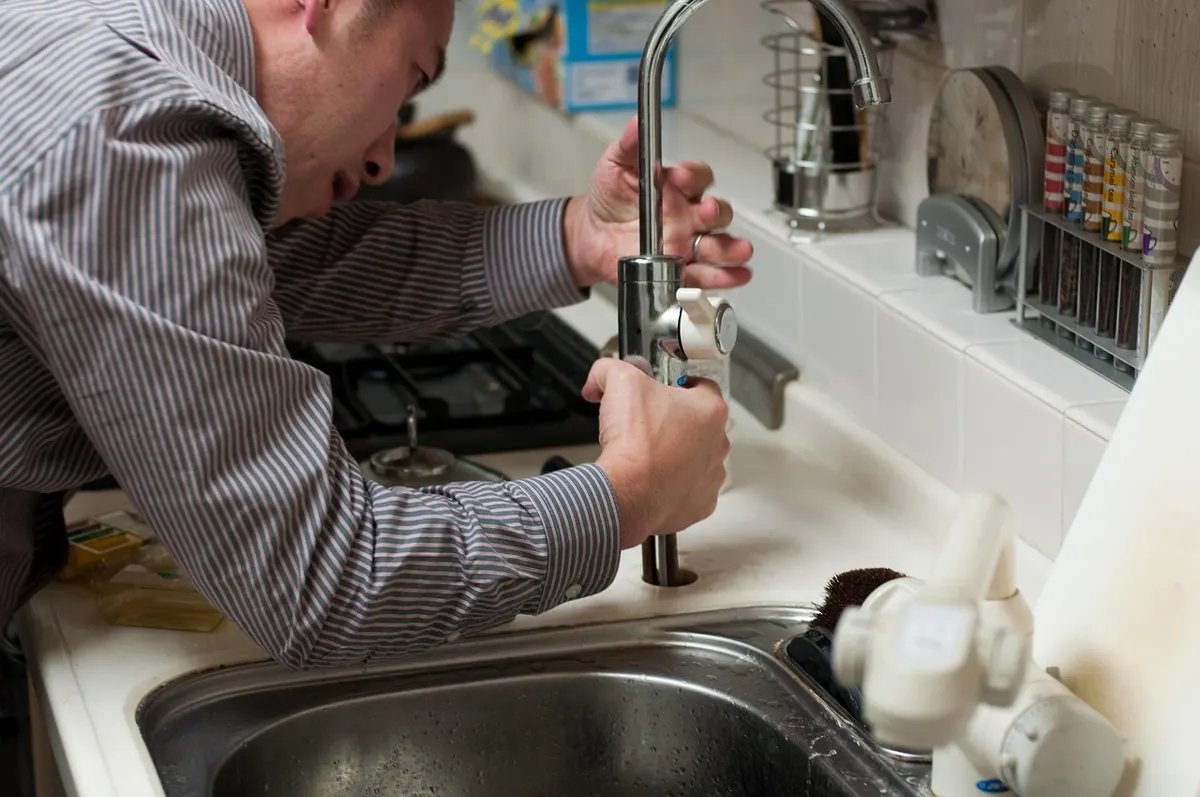
- A$4k-18k
- Full-time
- Out and about
Estimates for a small start in Australia, not guarantees.
What it is
A full-time mobile handyman service focused on maintenance for rental properties, strata buildings and small commercial sites. Typical jobs include door and lock repairs, fixing fences, gutters and decks, patching and painting touch-ups, and pre-inspection and end-of-lease fixes.
Your first three steps
- Fit out a ute or van with the tools and materials you need and set up job management and invoicing software
- Visit local real estate agencies and property managers to introduce yourself and ask to be added to their preferred supplier list
- Put together a simple price list and service page and ask early clients for written reviews
Who pays
Property managers, real estate agents, landlords, body corporates and small business owners.
How it makes money
Per-job quotes or hourly rates, plus a call-out fee. Repeat work from agents can fill most of your week, and you can add a helper or apprentice later.
Skills that help
- Wide range of home repair skills
- Quoting, invoicing and job scheduling
- Reliable communication with agents and tenants
Watch out for
- General handyman work often doesn't need a licence below a set job value, but the threshold and rules differ by state and territory, so check with your state's building or fair trading regulator (such as QBCC, NSW Fair Trading, Consumer Affairs Victoria or Building and Energy WA) before you quote
- Electrical, plumbing, gas, asbestos and similar regulated work usually requires a licensed tradesperson regardless of job value, so subcontract or decline it, and keep each job within your state's limit for unlicensed work
- Public liability insurance, vehicle and tools cover, and workers compensation insurance once you hire staff
- Agents may pay on 14 to 30 day terms, so plan your cash flow
- Check GST registration, and whether you need council approval if you run the business from home
- Written quotes and records of completed work protect you if there's a dispute
Deep research report · Australia
Everything you need to start: handyman for landlords and property managers
Researched with live web search for Australia: real startup prices, the licences and rules, what others charge, a break-even example, how to find your first customers and a 30-day launch plan. With sources.
- Startup costs with real prices
- Licences, registration and rules
- Pricing: what others charge
- Break-even example
- Finding your first customers
- 30-day launch plan
- Risks and how to reduce them
Questions people ask
How much does it cost to start a property maintenance handyman business?
Startup costs are typically around $4,000 to $18,000, depending on your ute or van, tools and insurance. These are estimates, so get quotes for your own setup before you buy.
How much can a handyman earn working for landlords and agents?
Monthly revenue is typically around $4,000 to $12,000, depending on how much repeat work you win from agents and landlords. It's a full-time model, starting from about 25 hours a week.
What licence rules apply to handyman work in Australia?
Licence rules for handyman work differ by state and territory, so check with your state's building or fair trading regulator before you quote. Regulated work such as electrical, plumbing and gas usually needs a licensed tradesperson. Also check your insurance and GST registration.
Other ways to run this business
Similar home services ideas

Full-time gutter cleaning and maintenance
Run a van-based gutter service for homes, strata and small commercial buildings, with repeat annual clients.
- A$4k-18k
- Full-time
- Out and about

Residential garden landscaper
Build and refresh home gardens with turf, planting, paving and small retaining walls for local homeowners.
- A$3k-20k
- Part-time
- Out and about

Mobile home pest control
Treat homes for cockroaches, spiders, ants and rodents, with a ute or van and a licence.
- A$4k-20k
- Part-time
- Out and about
Mobile household fridge repair
Drive to homes to diagnose and fix fridges and freezers, paid per call-out.
- A$4k-20k
- Part-time
- Out and about

Garden lighting design and install
Design and install outdoor lighting for homes and small commercial properties, as a licensed electrician or with one on your team.
- A$5k-20k
- Part-time
- Out and about
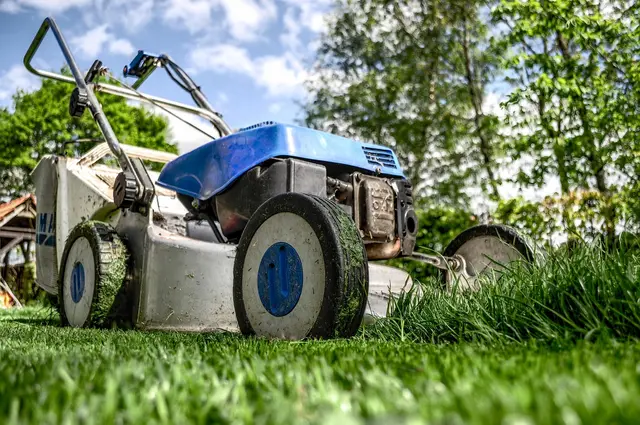
Mobile mower servicing van or ute
Drive to homes and landscaping crews to service mowers and garden tools on the spot.
- A$5k-20k
- Part-time
- Out and about
Photo: fran1 on Pixabay