Hearing aid repair bench for clinics
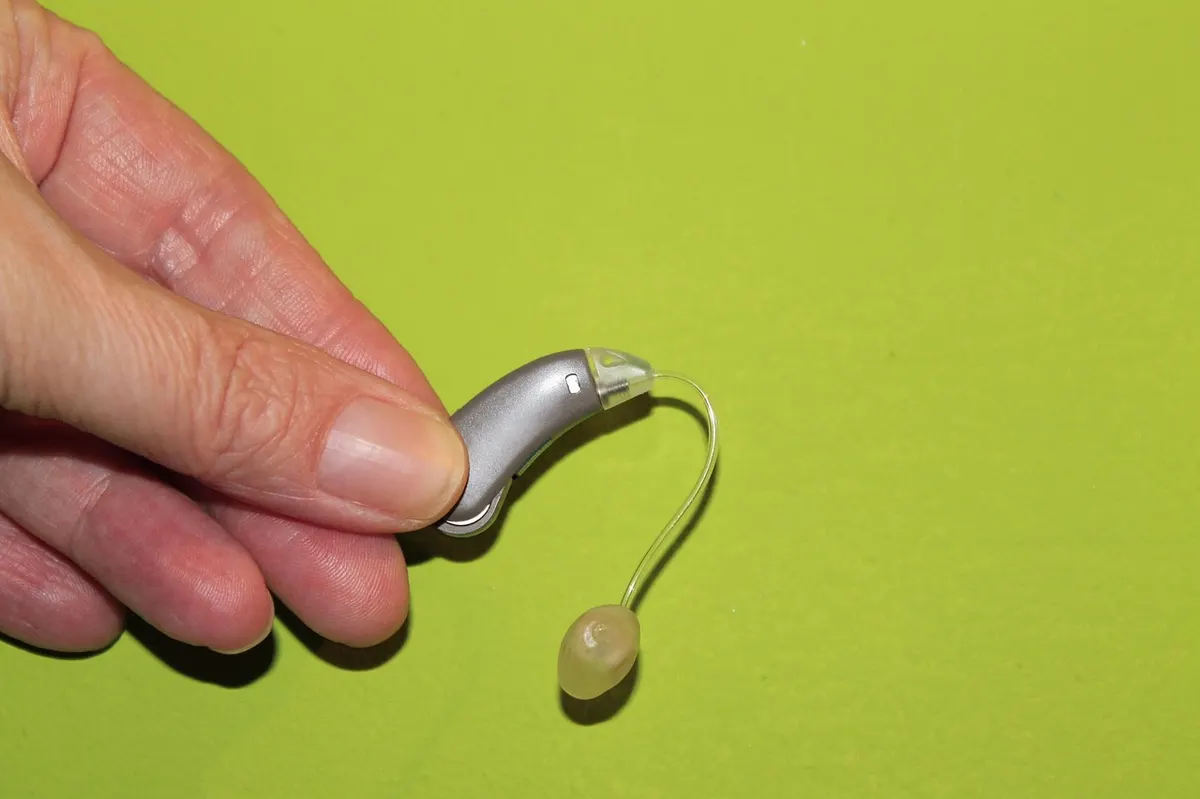
Repair and service hearing aids at a small workbench for local clinics, dispensers and mail-in customers.
- A$3k-12k
- Side hustle
- From home
Estimates for a small start in Australia, not guarantees.
What it is
A small workshop, often at home or in a tiny unit, where you clean, diagnose and repair hearing aids. Typical jobs are replacing receivers, microphones, tubing, battery doors and casings, plus deep cleaning and testing.
Your first three steps
- Look for hands-on training in hearing aid repair or electronics, and ask manufacturers and parts suppliers what they offer
- Price up a basic bench setup (microscope, ultrasonic cleaner, test equipment, parts) and set your per-repair fees
- Visit local independent clinics to offer a trial batch of repairs with a fast turnaround
Who pays
Independent audiology clinics and dispensers who outsource repairs, plus individual hearing aid users who post or drop off their devices.
How it makes money
A fee per repair or service, often with a lower rate for regular clinic clients who send batches. Parts are charged on top or built into the price.
Skills that help
- Steady hands and good eyesight for fine work
- Basic electronics or soldering knowledge
- Reliable turnaround and record keeping
Watch out for
- Hearing aids are regulated medical devices, so check TGA requirements and what repairs you are allowed to do
- Manufacturer warranties may only cover authorised repairers, so be clear with clients what you can and cannot work on
- Check the rules for government-funded devices under the Hearing Services Program before taking those jobs
- Customer devices may hold personal settings and data, so check your privacy obligations
- Check whether your council requires approval for a home-based business
- Public liability and professional indemnity or product insurance, as a faulty repair can affect someone's hearing
Deep research report · Australia
Everything you need to start: hearing aid repair bench for clinics
Researched with live web search for Australia: real startup prices, the licences and rules, what others charge, a break-even example, how to find your first customers and a 30-day launch plan. With sources.
- Startup costs with real prices
- Licences, registration and rules
- Pricing: what others charge
- Break-even example
- Finding your first customers
- 30-day launch plan
- Risks and how to reduce them
Questions people ask
How much does it cost to start a hearing aid repair business in Australia?
Startup costs are typically around $3,000 to $12,000, depending on your tools, testing equipment and whether you work from home or rent a small unit. Your supplier choices and the repairs you offer will also move the figure.
How much can a hearing aid repair bench earn?
Monthly revenue is typically around $1,000 to $5,000, depending on how many clinics, dispensers and mail-in customers you win. The estimate assumes at least about 10 hours a week, so earnings will vary with your workload.
What rules should I check before repairing hearing aids in Australia?
Check TGA requirements and which repairs you are allowed to do, since hearing aids are regulated medical devices. Also check manufacturer warranty limits, Hearing Services Program rules, privacy obligations, council rules for home businesses, and insurance cover.
Other ways to run this business
Similar health and wellness ideas

Home-based craniosacral therapy studio
Offer gentle, hands-on craniosacral sessions from a calm treatment room at home, booked around your other work.
- A$3k-12k
- Side hustle
- From home
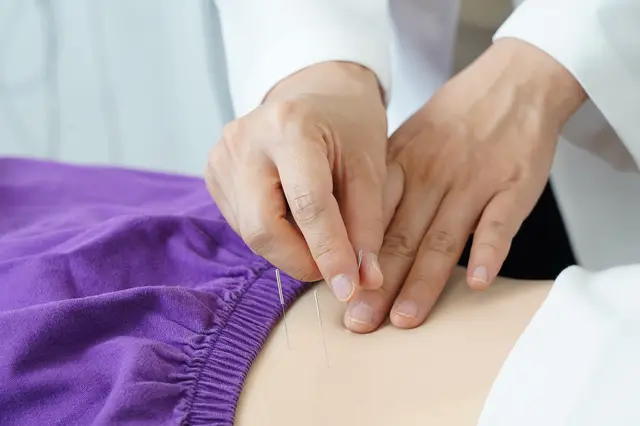
Part-time acupuncture and herbal practice
Rent a treatment room by the day in a wellness centre and build a client list at low cost.
- A$3k-12k
- Side hustle
- Own premises

Herbalist in a rented clinic room
See private clients for herbal consultations from a room you rent by the day or hour in a wellness centre.
- A$3k-12k
- Side hustle
- Own premises
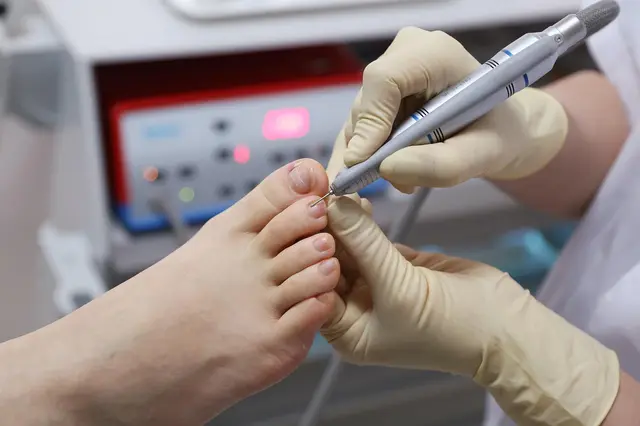
Mobile foot care visits
Visit older people at home or in aged care for nail cutting, corn and callus care and general foot checks.
- A$3k-12k
- Part-time
- Out and about

Natural therapy practitioner in a shared clinic
Rent a consulting room by the day in a wellness centre and build a regular client base alongside other practitioners.
- A$3k-12k
- Part-time
- Own premises
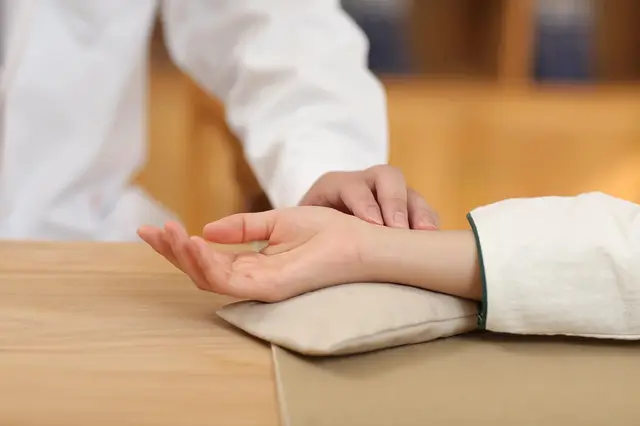
Holistic practitioner in a rented clinic room
Rent a treatment room by the day or hour in a wellness centre and build a regular client base.
- A$3k-12k
- Part-time
- Own premises
Photo: kalhh on Pixabay