Community makerspace with classes
Open a larger shared workshop with mixed tools, memberships and regular classes for makers of all levels.

- A$100k-300k
- Full-time
- Own premises
Estimates for a small start in Australia, not guarantees.
What it is
A larger premises with several zones, for example woodwork, electronics, 3D printing, laser cutting and textiles. Members pay for access, and you run classes, events and school or group sessions.
Your first three steps
- Write a simple business plan covering rent, equipment, membership prices and how many members you need to break even
- Visit existing makerspaces and men's or community sheds to learn what works, and talk to local councils, schools and libraries about partnerships
- Find a suitable unit, get insurance quotes, and open with a core set of tools while taking founding memberships
Who pays
Individual members, small makers and startups, schools and community groups, and people booking classes or birthday workshops.
How it makes money
Tiered monthly memberships, paid classes and induction sessions, group and school bookings, and sales of materials.
Skills that help
- Running a community and managing people
- Teaching or hiring good instructors
- Basic budgeting and equipment maintenance
Watch out for
- Public liability insurance and cover for classes, check with your insurer
- Council planning and zoning approval for the premises, plus fire safety and building requirements
- Workplace health and safety duties, check with your state's WHS regulator
- Working with Children checks if you run school or youth sessions, check your state's rules
- High fixed costs such as rent and equipment, so test demand before committing to a long lease
- Workers compensation insurance once you hire staff
🔒 Full research report for Australia
Real cost breakdown with current prices, licences and registration checklist, local competition, pricing, break-even and a 30-day launch plan, with sources.
Coming soonQuestions people ask
How much does it cost to start a community makerspace?
Startup costs are typically around $100,000 to $300,000, depending on the premises, fit-out and equipment across zones such as woodwork, electronics and 3D printing. High fixed costs like rent mean it pays to test demand before a long lease.
How much can a community makerspace earn?
Monthly revenue is typically around $6,000 to $25,000, depending on memberships, classes, events and school or group sessions. Rent and equipment are high fixed costs, so revenue is not the same as profit.
What approvals should I check before opening a makerspace in Australia?
Check council planning and zoning approval, plus fire safety and building requirements. Also check public liability cover for classes, your state's WHS duties, Working with Children checks for school or youth sessions, and workers compensation once you hire staff.
Other ways to run this business
Similar teaching and tutoring ideas
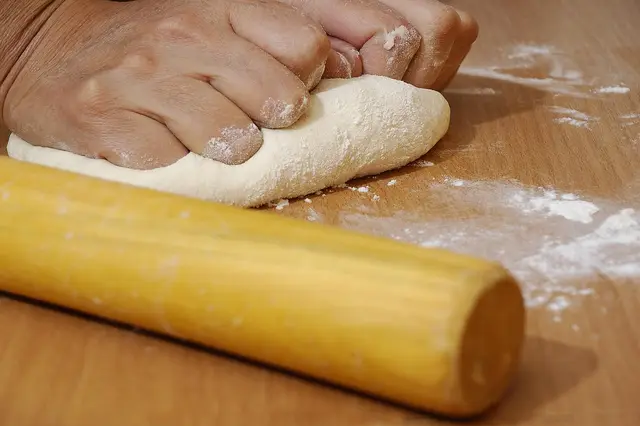
Cookery school with its own teaching kitchen
Open a small teaching kitchen with regular courses for home cooks and aspiring professionals.
- A$60k-200k
- Full-time
- Own premises
Small accredited trade training school
Set up a small registered training organisation delivering nationally recognised trade courses in one niche.
- A$30k-150k
- Full-time
- Own premises

Small neighbourhood preschool centre
Run a licensed play-based preschool in leased premises for local children in the years before school.
- A$150k-450k
- Full-time
- Own premises
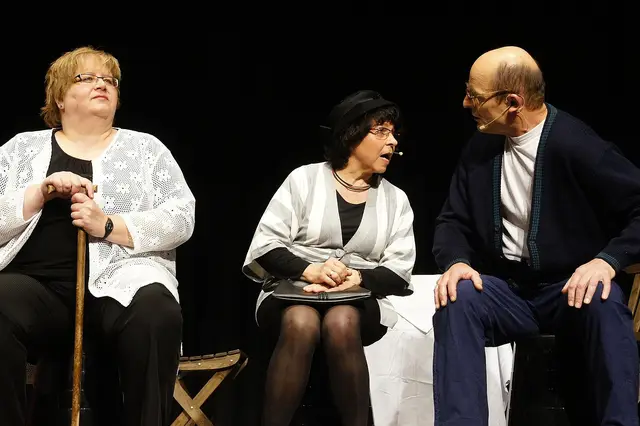
Drama school with its own studio
Open a small studio running classes for all ages, holiday workshops and productions, with a team of teachers.
- A$40k-150k
- Full-time
- Own premises
Small real estate training school
Run a small registered school teaching the real estate qualification in classrooms and online.
- A$30k-100k
- Full-time
- Own premises
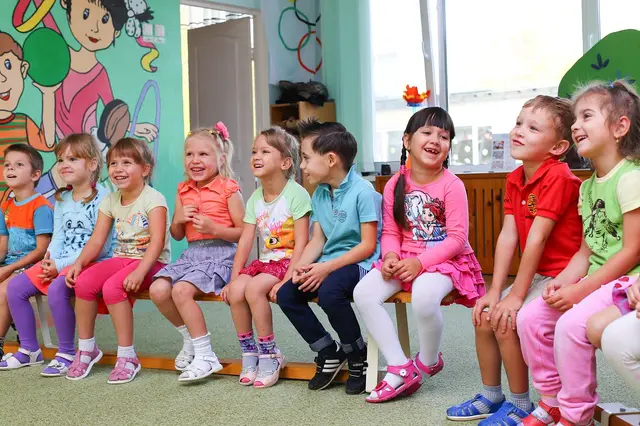
Sessional kindergarten in a hired hall
Run a part-week kindergarten program from a community hall or hired room, with lower setup costs than a full centre.
- A$20k-90k
- Part-time
- Own premises