East asian herbs and tea shop
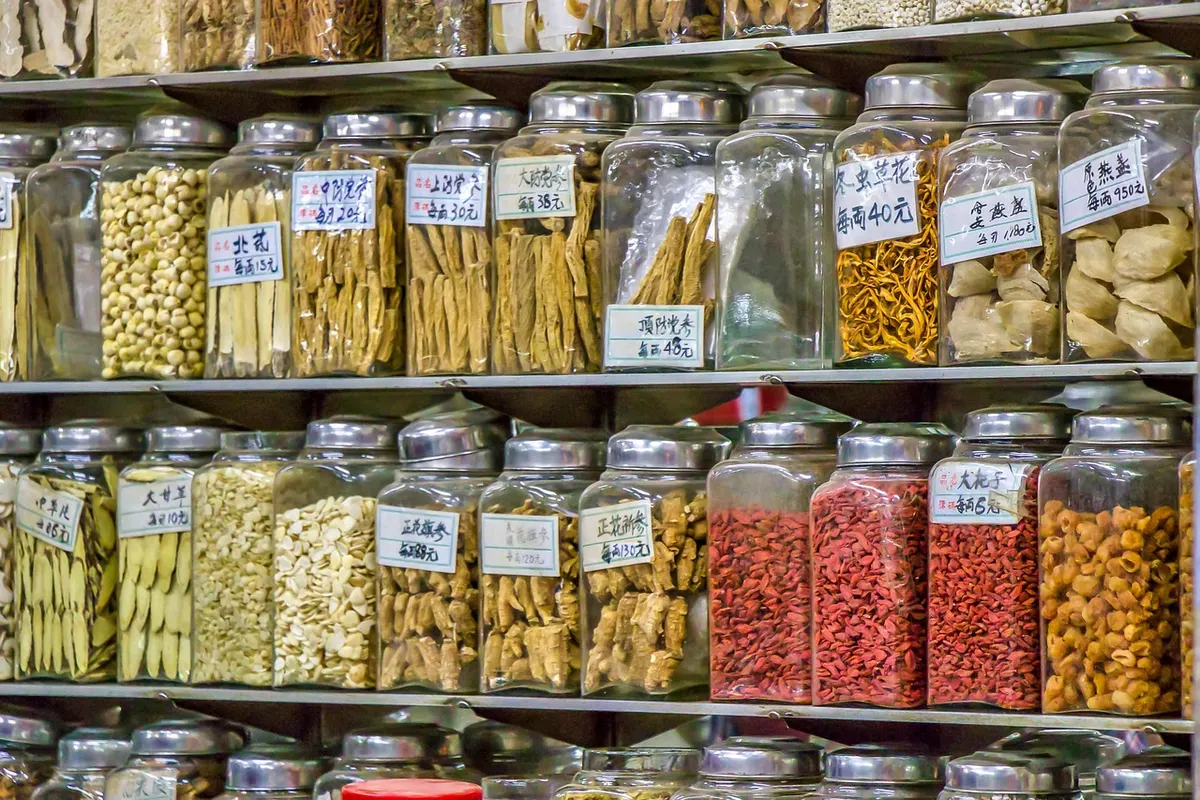
Open a small shop selling dried herbs, teas and ready-made products used in East Asian traditional medicine.
- A$20k-80k
- Part-time
- Own premises
- Licence or permit needed
Estimates for a small start in Australia, not guarantees.
What it is
A small retail shop stocking loose herbs, herbal teas, ginseng and other products from East Asian traditional medicine traditions, plus packaged products that are legally allowed to be sold in Australia. Staff can explain what each product is, where it comes from and how it is usually prepared, but do not diagnose conditions, recommend treatments or make health claims. Customers wanting health advice are pointed to a registered health practitioner.
Your first three steps
- Visit similar shops in your area to see their range and pricing, and pick a niche such as teas, ginseng or ready-made products
- Talk to a few importers and wholesalers, and ask each how they meet Australian import and labelling requirements
- Check the Therapeutic Goods Administration (TGA) rules, the rules in your state or territory on restricted herbs, and your local council's rules on retail premises and food, then shortlist locations
Who pays
Walk-in customers from local communities who grew up with these products, plus people curious about herbal teas and natural wellness, and sometimes practitioners buying stock.
How it makes money
Retail sales of herbs and teas weighed out by the gram, plus packaged products, gift items, teapots and accessories. Regular repeat customers and a good local reputation matter most.
Skills that help
- Knowledge of herbs and tea products
- Customer service and clear communication
- Stock control and supplier relationships
- Language skills useful for your local community
Watch out for
- Therapeutic goods rules: check with the TGA which products need to be listed or registered before you sell them, and avoid making health claims or suggesting a product treats a condition
- Some herbs are restricted or banned, so check the Poisons Standard, your state or territory rules and import rules (including Department of Agriculture biosecurity requirements) before ordering
- Diagnosing and prescribing are the work of registered health practitioners such as Chinese medicine practitioners registered with the Chinese Medicine Board of Australia (AHPRA). Check with the TGA and AHPRA where your shop staff's advice should stop, and refer customers seeking health advice to a registered practitioner
- Teas and some other products are food, so check labelling rules (Food Standards Code) and food business registration with your local council
- Public liability and product liability insurance, plus a shop lease you can afford if sales start slowly
Deep research report · Australia
Everything you need to start: east Asian herbs and tea shop
Researched with live web search for Australia: real startup prices, the licences and rules, what others charge, a break-even example, how to find your first customers and a 30-day launch plan. With sources.
- Startup costs with real prices
- Licences, registration and rules
- Pricing: what others charge
- Break-even example
- Finding your first customers
- 30-day launch plan
- Risks and how to reduce them
Questions people ask
How much does it cost to open an East Asian herbs and tea shop in Australia?
Startup costs are estimated at typically around $20,000 to $80,000, depending on the premises, fit-out and how much stock you buy. Monthly revenue is estimated at around $8,000 to $35,000, depending on location and range.
What rules apply to selling herbal products in Australia?
Things to check include therapeutic goods rules with the TGA, restricted herbs under the Poisons Standard and state or territory rules, import and biosecurity requirements, and food labelling and council food business registration. Avoid health claims and refer customers wanting advice to a registered practitioner.
Can I give health advice in an East Asian herbs shop?
Diagnosing and prescribing are the work of registered health practitioners, such as those registered with the Chinese Medicine Board of Australia (AHPRA). Check with the TGA and AHPRA where staff advice should stop, and refer customers seeking health advice to a registered practitioner.
Other ways to run this business
Similar retail ideas
Gold and jewellery buying shopfront
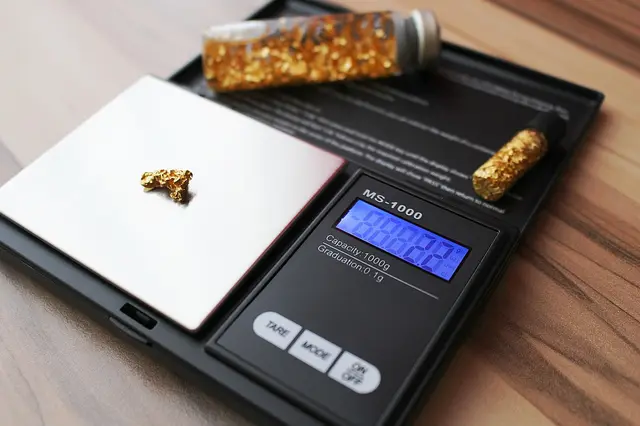
Open a small secure shop where locals bring gold, silver and jewellery to be tested, weighed and bought.
- A$25k-80k
- Full-time
- Own premises

Local beauty supply shop
Open a small shop stocking hair, skin and nail products for local salons and the public.
- A$20k-80k
- Full-time
- Own premises
Local flag shop with a small shopfront
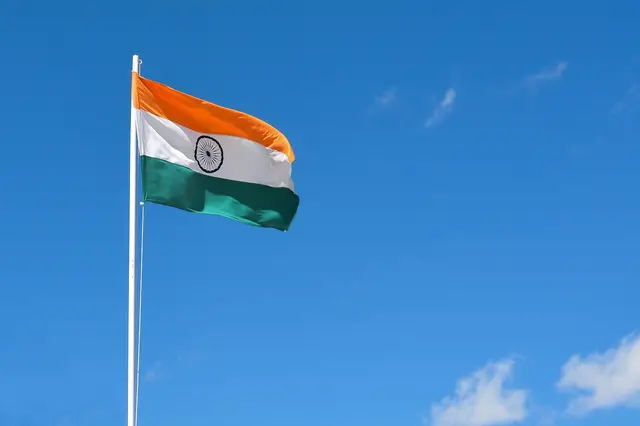
Open a small shop selling flags, poles and fittings, with advice and quick local orders.
- A$20k-80k
- Full-time
- Own premises
Knife shop with sharpening counter
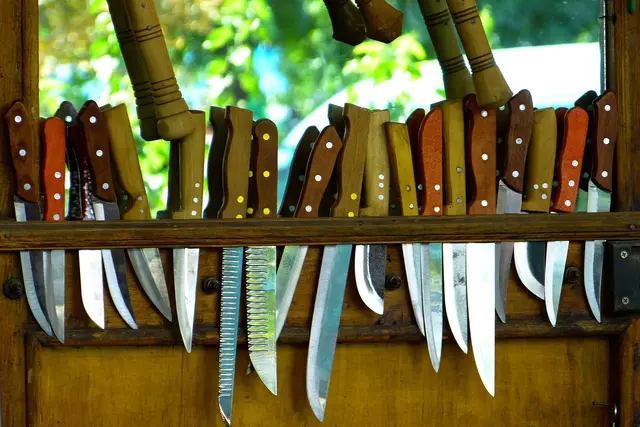
Sell kitchen, pocket and hunting knives from a small shop and sharpen customers' knives while they wait.
- A$25k-80k
- Full-time
- Own premises

Neighbourhood stationery shop
Open a small shop selling pens, notebooks, art supplies and school and office basics to locals.
- A$25k-80k
- Full-time
- Own premises

Acrylic and plastics trade shop
Run a small unit with a cutting counter, selling acrylic sheet to sign makers, shopfitters and hobbyists.
- A$25k-80k
- Full-time
- Own premises
Photo: nextvoyage on Pixabay