Residential site soil and classification reports
Test soil on house and small building sites and write the reports builders and councils need.

- A$8k-35k
- Full-time
- Out and about
- Licence or permit needed
Estimates for a small start in Australia, not guarantees.
What it is
A small geotechnical practice. You drill or dig test holes on residential and small commercial sites, assess ground conditions, and write reports such as site classifications for footings. Engineering or geoscience qualifications and relevant experience are usually expected by certifiers and insurers, so check who may sign off reports in your state.
Your first three steps
- Check with your state's building regulator and relevant professional bodies (such as Engineers Australia or the Australian Geomechanics Society) who is accepted to sign site classification and geotechnical reports
- Set up professional indemnity and public liability insurance and arrange a NATA-accredited lab to use
- Introduce yourself to local builders, building designers and certifiers with a sample report and fee list
Who pays
Home builders, owner-builders, architects, developers and small commercial clients preparing for building approval.
How it makes money
A fixed fee per site report, with extra charges for additional bores, lab testing and more detailed investigations.
Skills that help
- Geotechnical engineering or geoscience qualification
- Clear technical report writing
- Operating drilling or test equipment
- Dealing with builders and certifiers
Watch out for
- Professional indemnity insurance is essential, as report errors can be costly
- Registration or sign-off requirements differ by state, so check with your state's licensing body and with local certifiers before you start
- Check for underground services before any digging or drilling
- Equipment costs rise quickly if you buy a drill rig, hiring or subcontracting can be cheaper at first
- Check with your council whether approval is needed if you work from home
Deep research report · Australia
Everything you need to start: residential site soil and classification reports
Researched with live web search for Australia: real startup prices, the licences and rules, what others charge, a break-even example, how to find your first customers and a 30-day launch plan. With sources.
- Startup costs with real prices
- Licences, registration and rules
- Pricing: what others charge
- Break-even example
- Finding your first customers
- 30-day launch plan
- Risks and how to reduce them
Questions people ask
How much does it cost to start a soil testing and report business?
Startup costs are typically estimated at around $8,000 to $35,000, depending on the equipment you buy and whether you hire or subcontract drilling. Buying a drill rig can raise costs quickly, so compare options first.
How much can a residential soil report business earn?
Monthly revenue is typically estimated at around $4,000 to $16,000, depending on how many sites you test and the reports you write for builders and certifiers. Plan on roughly 20 hours a week or more.
What rules should I check before offering site soil reports?
Check registration and sign-off requirements with your state's licensing body and local certifiers. Also check professional indemnity insurance, underground services before digging or drilling, and with your council whether approval is needed if you work from home.
Other ways to run this business
Similar trades ideas
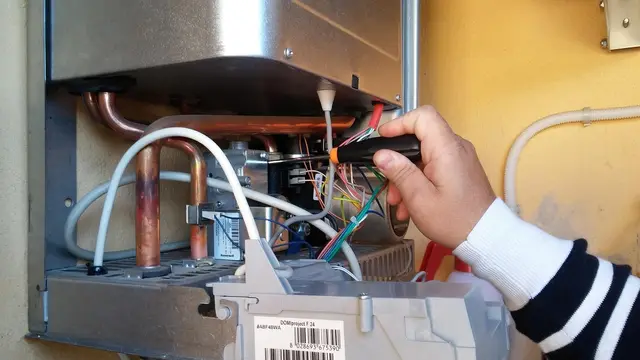
Mobile heating and boiler repair
Repair and service gas heaters, furnaces and hydronic boilers at homes and small businesses as a licensed mobile tradie.
- A$8k-35k
- Part-time
- Out and about

Mobile abrasive blasting service
Take a compressor and blast pot to farms, yards and worksites to strip rust and old coatings.
- A$8k-35k
- Part-time
- Out and about
Commercial and venue lighting contractor
Wire lighting for offices, cafes, shops and venues with a small licensed team.
- A$8k-35k
- Full-time
- Out and about

Cafe and shop fridge and coolroom repair
Fix display fridges, freezers and coolrooms for cafes, pubs and shops that can't afford downtime.
- A$8k-35k
- Full-time
- Out and about
Local residential electrician
Run your own ute-based electrical business for homeowners and landlords: repairs, upgrades, lighting and safety checks.
- A$8k-35k
- Full-time
- Out and about
Antique restoration workshop with dealer work
Rent a small workshop unit and take regular repair work from dealers, auction houses and private clients.
- A$8k-35k
- Full-time
- Own premises