Home-based sewing machine repair and servicing
Service and repair sewing machines at a home workbench for local sewers, quilters and dressmakers.

- A$800-3.5k
- Side hustle
- From home
Estimates for a small start in Australia, not guarantees.
What it is
Cleaning, oiling, adjusting and fixing domestic sewing machines and overlockers on a workbench at home. Customers drop off or post their machines, or you arrange a pickup.
Your first three steps
- Learn the trade through a short course, an apprenticeship with an existing repairer, or manufacturer and parts-supplier training
- Set up a clean, well-lit bench and buy basic tools, lubricants and common spare parts
- Tell local sewing groups, fabric shops and Facebook community pages about your service and offer a discounted first service for reviews
Who pays
Home sewers, quilters, dressmakers, craft groups, schools and people with a machine that has stopped working.
How it makes money
A set service fee per machine, plus charges for parts and bigger repairs. Repeat customers come back for yearly services and bring friends.
Skills that help
- Patient, detailed hands-on work
- Mechanical problem solving
- Clear communication with customers
Watch out for
- Check whether your council requires approval to run a home-based business
- Public liability insurance, and cover for customers' machines while in your care
- Electrical safety: check what testing or tagging rules apply, and avoid repairs beyond your skill, especially on mains wiring
- Sourcing parts for older or imported machines can be slow and costly
- Warranty repairs for some brands may require authorised-repairer status
Deep research report · Australia
Everything you need to start: home-based sewing machine repair and servicing
Researched with live web search for Australia: real startup prices, the licences and rules, what others charge, a break-even example, how to find your first customers and a 30-day launch plan. With sources.
- Startup costs with real prices
- Licences, registration and rules
- Pricing: what others charge
- Break-even example
- Finding your first customers
- 30-day launch plan
- Risks and how to reduce them
Questions people ask
How much does it cost to start a sewing machine repair business?
Estimates suggest startup costs typically around $800 to $3,500, depending on your tools, parts stock, workbench setup and insurance. Sourcing parts for older or imported machines can add to costs.
How much can a sewing machine repairer earn?
Monthly revenue is typically estimated at around $500 to $3,000, depending on how many machines you service, your pricing and the hours you put in. The low end assumes about eight hours a week.
What should I check before repairing sewing machines at home?
Check whether your council requires approval for a home-based business, and arrange public liability insurance including cover for customers' machines in your care. Also check electrical testing rules, avoid repairs beyond your skill, and confirm any warranty-repair requirements.
Other ways to run this business
Similar home services ideas

Spa servicing and minor repairs round
Build a regular round of spa owners for water care, filter cleans and small fixes.
- A$800-3.5k
- Side hustle
- Out and about
Local house sitter matching agency
Match vetted sitters with homeowners going away, and earn a fee for each booking.
- A$500-4k
- Side hustle
- From home
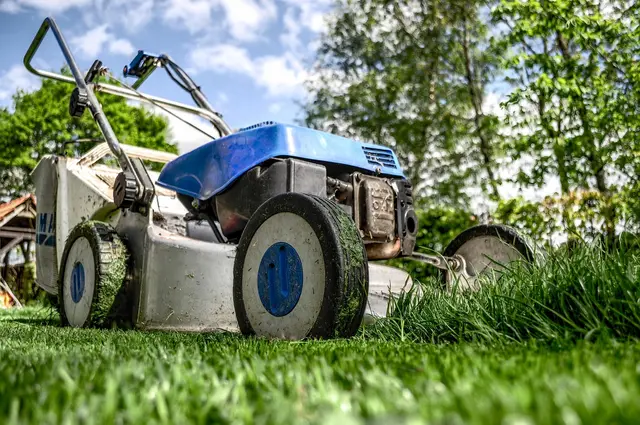
Home workshop mower repair and servicing
Service and repair petrol and electric mowers and garden tools from your garage or shed, with drop-off or pick-up.
- A$1k-4k
- Side hustle
- From home

Home lamp repair workshop
Repair and rewire table and floor lamps from a home workbench, with drop-off, pick-up or post.
- A$1k-4k
- Side hustle
- From home
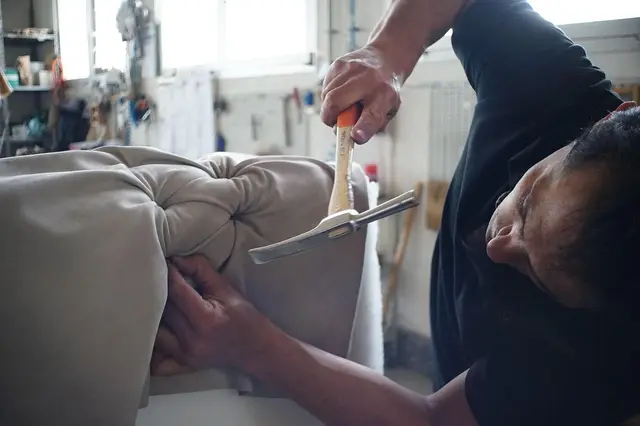
Home-based furniture repair and touch-up
Fix wobbly chairs, scratched tables and broken drawers from a garage or shed workshop.
- A$1k-4k
- Side hustle
- From home
Carpet repair and restretching
Fix rippled, torn and burnt carpet in homes and rentals using a small kit and your own ute.
- A$1k-4k
- Side hustle
- Out and about