Small Toolroom Making Jigs, Fixtures and Tooling
Make precision jigs, dies and tooling for local manufacturers, one job at a time, from a rented workshop unit.

- A$40k-200k
- Full-time
- Own premises
Estimates for a small start in Australia, not guarantees.
What it is
A small workshop with milling, turning and grinding machines that makes one-off and short-run jigs, fixtures, moulds, dies and replacement tooling to a customer's drawings. Repair and modification of worn tooling is a steady part of the work.
Your first three steps
- Visit local manufacturers and ask who struggles to get tooling made quickly, then line up a few trial jobs
- Price a rented industrial unit and decide whether to buy used machines or lease them
- Get quotes for public liability and product liability insurance and set up your ABN
Who pays
Local manufacturers, fabrication shops, plastics and packaging firms, food processors, and maintenance departments needing tooling fast.
How it makes money
Quote per job or charge an hourly machine rate plus materials. Repeat customers who send tooling work regularly matter more than one-off jobs.
Skills that help
- Machining trade background (toolmaker, fitter and machinist or similar)
- Reading engineering drawings
- CAD/CAM programming
- Accurate quoting and measuring
Watch out for
- Public liability and product liability insurance, as faulty tooling can cause costly customer losses
- Council zoning and noise rules for industrial units, so check before signing a lease
- Work health and safety duties for machinery, guarding and training, and workers compensation once you hire
- Payment terms, as manufacturers can pay slowly; consider deposits for materials
- Used machines may need servicing and calibration, so budget for it
🔒 Full research report for Australia
Real cost breakdown with current prices, licences and registration checklist, local competition, pricing, break-even and a 30-day launch plan, with sources.
Coming soonQuestions people ask
How much does it cost to start a toolroom workshop in Australia?
Startup costs are typically around $40,000 to $200,000, depending on the machines you buy, whether they are new or used, and the unit you rent. Used machines may need servicing and calibration, so budget for it.
What should I check before opening a toolmaking workshop?
Check council zoning and noise rules before signing an industrial lease. Also check work health and safety duties for machinery, guarding and training, workers compensation once you hire, and public liability and product liability insurance.
What skills do I need to run a toolroom?
Skills typically include a machining trade background such as toolmaker or fitter and machinist, reading engineering drawings, CAD/CAM programming, and accurate quoting and measuring. Customers may pay slowly, so consider deposits for materials.
Other ways to run this business
Similar making and manufacturing ideas
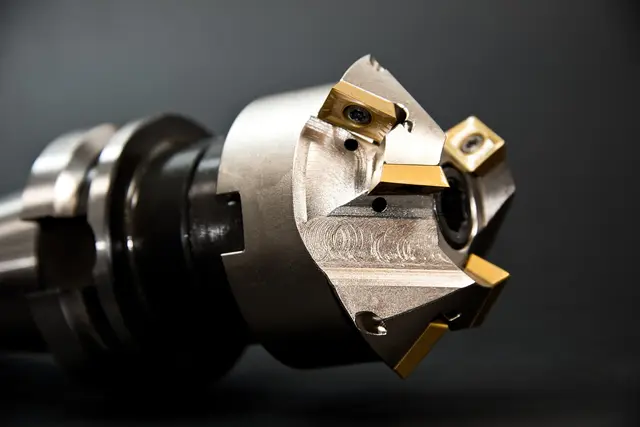
Small-batch precision machining workshop
Machine accurate metal and plastic parts to customer drawings for local manufacturers and engineers.
- A$40k-200k
- Full-time
- Own premises
Small-unit machining job shop
Run a rented industrial unit making metal and plastic parts to drawings for local engineering and manufacturing firms.
- A$40k-200k
- Full-time
- Own premises
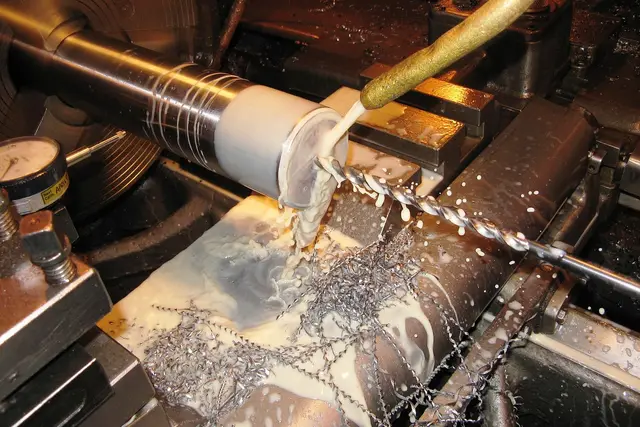
Engine machining workshop
Bore, hone, deck and rebuild engine blocks and heads for garages, workshops and local motorists.
- A$60k-200k
- Full-time
- Own premises
Hand-blown drinking glasses studio
Run a small workshop making hand-blown glasses and tableware for hospitality venues, shops and wholesalers.
- A$80k-250k
- Part-time
- Own premises
Trade uPVC window supplier with a small showroom
Run a small unit with a display area and some stock, supplying uPVC windows and doors to local installers, builders and homeowners.
- A$40k-150k
- Full-time
- Own premises

Marble slab and tile yard with showroom
Hold marble slabs and tiles in a small unit or yard so tradies and homeowners can see and buy stock.
- A$40k-150k
- Full-time
- Own premises