Piano showroom: sales, tuning and repairs
Run a small shop or unit selling restored pianos, with tuning and repairs for local families and schools.

- A$20k-80k
- Full-time
- Own premises
Estimates for a small start in Australia, not guarantees.
What it is
A small showroom or warehouse unit where you buy, restore and sell second-hand pianos, and offer tuning and repair services. You may add a few new or digital pianos later.
Your first three steps
- Visit local piano shops and check online listings to learn buying prices and resale prices
- Find a suitable unit with ground-level access and check zoning with your local council
- Line up a tuner and a piano removalist, then buy your first few pianos to restore
Who pays
Families, music students, schools, churches and community groups.
How it makes money
Profit on each piano sold, plus fees for tuning, repairs and delivery. Some shops also offer rent-to-own or trade-ins.
Skills that help
- Knowing pianos and judging their value
- Tuning and repair skills, or a tuner you can work with
- Sales and customer service
Watch out for
- Lease terms, bond and rent, as showroom space for large items adds up
- Public liability, stock and contents insurance, plus goods-in-transit cover for deliveries
- Consumer guarantees under Australian Consumer Law apply to second-hand goods, so check what you must honour
- Pianos are heavy, so check workplace safety and manual handling rules, especially if you hire staff
- Cash flow, since restored pianos can take months to sell
Deep research report · Australia
Everything you need to start: piano showroom: sales, tuning and repairs
Researched with live web search for Australia: real startup prices, the licences and rules, what others charge, a break-even example, how to find your first customers and a 30-day launch plan. With sources.
- Startup costs with real prices
- Licences, registration and rules
- Pricing: what others charge
- Break-even example
- Finding your first customers
- 30-day launch plan
- Risks and how to reduce them
Questions people ask
How much does it cost to start a piano showroom in Australia?
Startup costs are typically around $20,000 to $80,000, depending on your showroom size, lease terms, stock and insurance. Large items take space, so rent and bond can add up. Treat these as estimates and price your own location.
How much can a piano showroom earn?
Monthly revenue is typically around $6,000 to $30,000, depending on how many pianos you sell and how much tuning and repair work you add. Restored pianos can take months to sell, so cash flow matters. These are estimates only.
What should I check before opening a piano shop in Australia?
Check your lease terms, bond and rent, plus public liability, stock, contents and goods-in-transit insurance. Look at which consumer guarantees under Australian Consumer Law you must honour on second-hand goods, and workplace safety and manual handling rules if you hire staff.
Other ways to run this business

Similar retail ideas
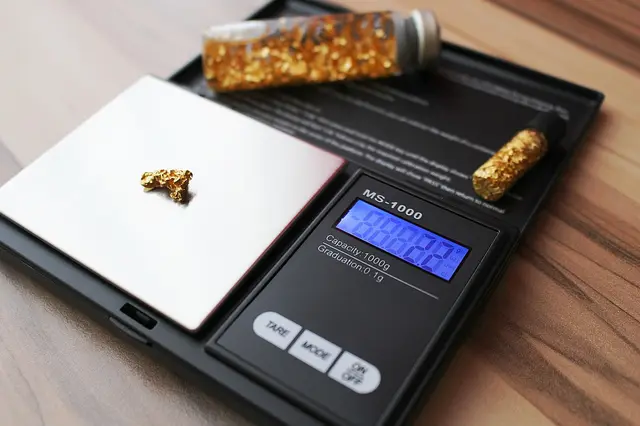
Gold and jewellery buying shopfront
Open a small secure shop where locals bring gold, silver and jewellery to be tested, weighed and bought.
- A$25k-80k
- Full-time
- Own premises
Local beauty supply shop
Open a small shop stocking hair, skin and nail products for local salons and the public.
- A$20k-80k
- Full-time
- Own premises

Local flag shop with a small shopfront
Open a small shop selling flags, poles and fittings, with advice and quick local orders.
- A$20k-80k
- Full-time
- Own premises
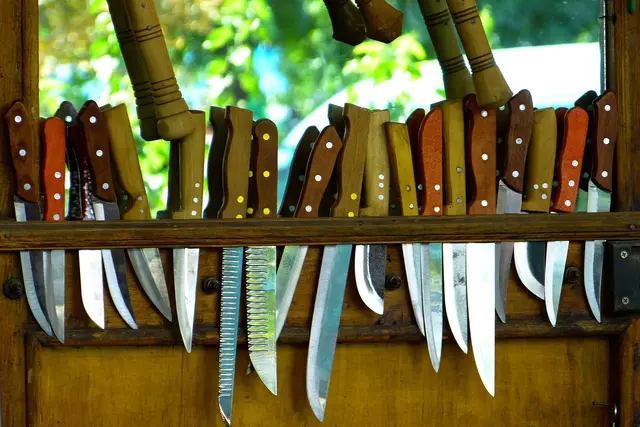
Knife shop with sharpening counter
Sell kitchen, pocket and hunting knives from a small shop and sharpen customers' knives while they wait.
- A$25k-80k
- Full-time
- Own premises

Neighbourhood stationery shop
Open a small shop selling pens, notebooks, art supplies and school and office basics to locals.
- A$25k-80k
- Full-time
- Own premises

Acrylic and plastics trade shop
Run a small unit with a cutting counter, selling acrylic sheet to sign makers, shopfitters and hobbyists.
- A$25k-80k
- Full-time
- Own premises