Small Automation Integrator with a Workshop
Design, build and install control panels and simple robot cells for local manufacturers from a small shop unit.
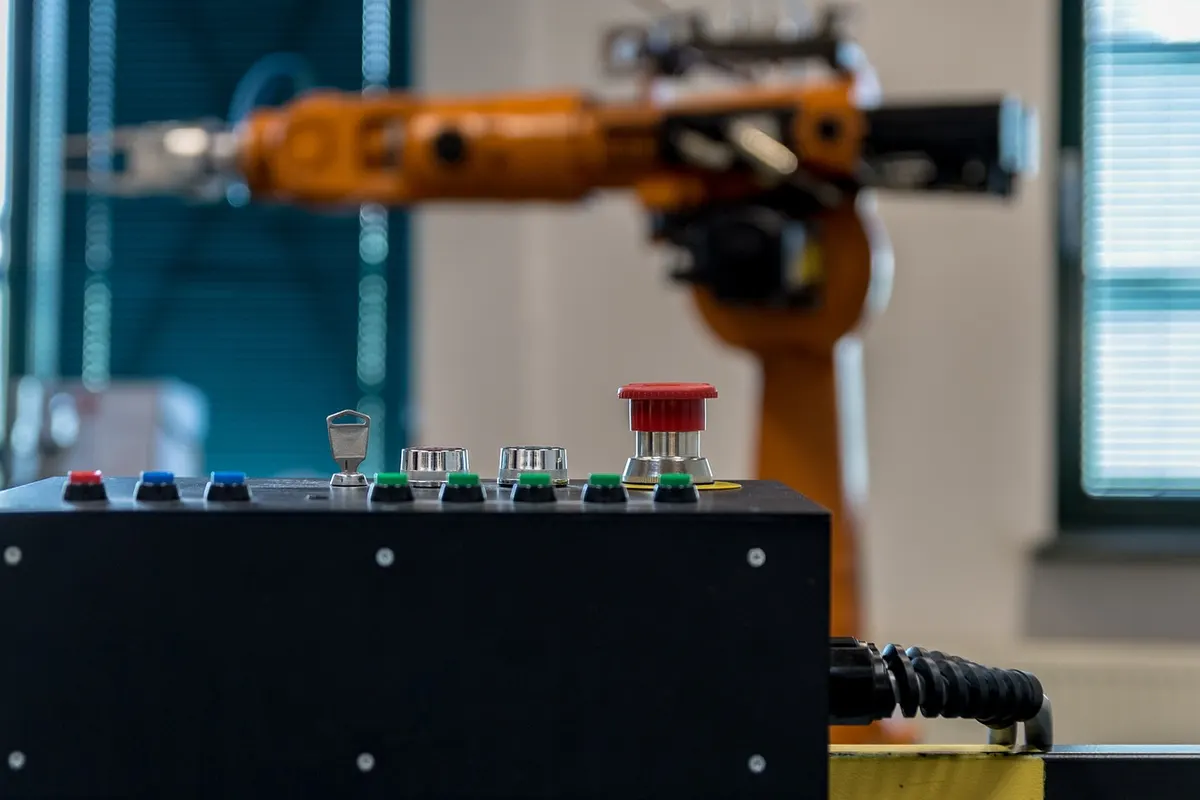
- C$20k-90k
- Full-time
- Own premises
- Licence or permit needed
Estimates for a small start in Canada, not guarantees.
What it is
A small team that designs, builds and installs automation projects such as control panels, conveyor controls, pick-and-place cells and machine upgrades. Panels are built and tested in your unit, then installed and commissioned on the customer's site.
Your first three steps
- Line up a first customer or two (current or past employers are common) and work out a realistic quote for a small project
- Check with your province's electrical safety authority and engineering regulator about the licences, panel certification and sign-offs you will need
- Price out a small rental unit, basic tools, test equipment and insurance, then set up accounts with automation parts distributors
Who pays
Local manufacturers, food processors, packaging and warehouse operators, and machine builders needing custom controls.
How it makes money
Fixed-price or time-and-materials projects covering design, parts markup, build and installation, plus service contracts and upgrades for repeat clients.
Skills that help
- Controls design and PLC programming
- Electrical panel building or managing licensed electricians
- Quoting and project management
- Sales and relationship building with plant managers
Watch out for
- Electrical contractor licensing and licensed electricians for wiring, check provincial rules
- Panel certification (such as CSA or cUL listing, or field evaluation), usually required by customers and inspectors
- Engineering sign-off and use of protected titles, check your provincial engineering regulator
- Machine safety standards (such as CSA Z432 and Z434), plus risk assessments
- Commercial general liability, professional liability and property insurance, and WCB/WSIB coverage once you hire
- Cash flow: parts costs are paid up front and customers may pay late, so use deposits and milestone payments
- Check zoning for your unit and local permits for a workshop
🔒 Full research report for Canada
Real cost breakdown with current prices, licences and registration checklist, local competition, pricing, break-even and a 30-day launch plan, with sources.
Coming soonQuestions people ask
How much does it cost to start a small automation integrator business?
Startup costs are typically around $20,000 to $90,000 CAD, depending on your workshop unit, tools, software and equipment. Parts are paid up front, so plan cash flow with deposits and milestone payments. These are estimates only.
How much can a small automation integrator earn?
Monthly revenue is typically estimated at around $8,000 to $40,000 CAD, depending on project size, team size and how many customers you win. Customers may pay late, so check cash flow carefully. Revenue is before costs, not profit.
What licences and rules should I check before starting an integrator business?
Check provincial rules on electrical contractor licensing and licensed electricians for wiring, panel certification such as CSA or cUL listing, and engineering sign-off. Also check machine safety standards, zoning for your unit, and insurance.
Other ways to run this business
Similar tech services ideas
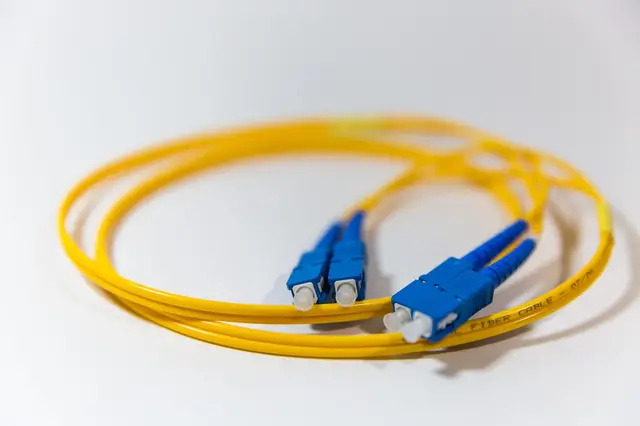
Fibre optic trade supplier with a small unit
Run a small stocked unit where local installers collect fibre cable, connectors and tools the same day, plus delivery and online orders.
- C$25k-100k
- Full-time
- Own premises

Local telecom equipment trade counter
Run a small unit stocking phones, routers and cabling so local installers and offices can collect same day.
- C$25k-100k
- Full-time
- Own premises
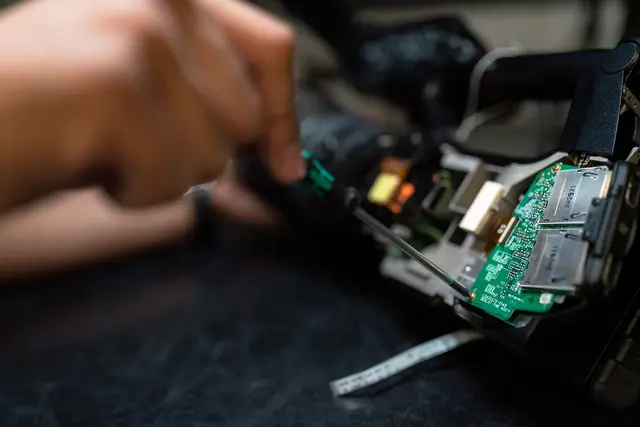
Pro video camera repair and service shop
Run a small workshop servicing cinema and broadcast cameras for production companies, rental houses and studios.
- C$15k-60k
- Full-time
- Own premises
Cabling crew for builders and developers
Lead a small crew that wires data and phone cabling in new builds and renovations.
- C$15k-60k
- Full-time
- Out and about
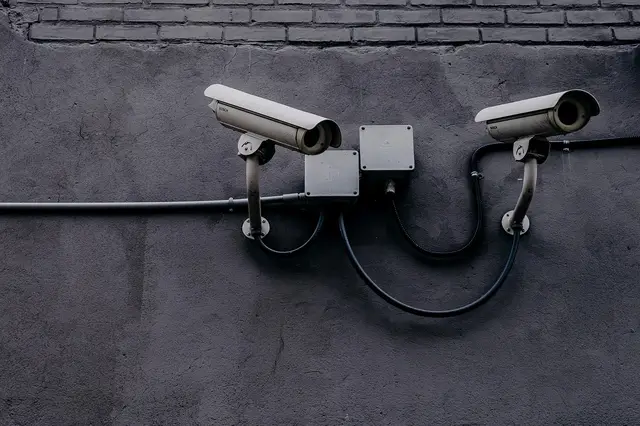
Security equipment shop with installation service
Run a small shop and workshop selling security kit and installing it for local homes and businesses.
- C$12k-60k
- Full-time
- Own premises
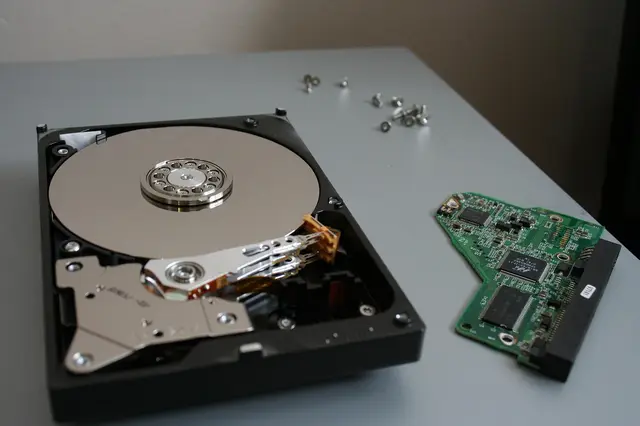
Data recovery shop with a small lab
Run a small shop or lab where locals and businesses drop off failed drives and phones for walk-in recovery.
- C$12k-60k
- Full-time
- Own premises
Photo: jarmoluk on Pixabay