Take Over an Existing Licensed Bar
Buy or lease a small running bar, keep its regulars, and make it your own.

- C$50k-250k
- Full-time
- Own premises
- Licence or permit needed
Estimates for a small start in Canada, not guarantees.
What it is
Instead of building from scratch, you take over a small bar that is already fitted out and trading. You keep what works, such as the regulars, equipment and location, and gradually change the menu, events and feel.
Your first three steps
- Look at business-for-sale listings and ask local brokers or landlords about small bars changing hands
- Ask for several years of sales and cost figures and have an accountant review them before you commit
- Ask your provincial liquor regulator how a licence transfers or a new licence is issued for a change of owner
Who pays
The bar's existing local customers, plus new guests you attract with changes and events.
How it makes money
Drink sales over stock and running costs. You start with existing trade, so you may see revenue sooner than with a new build.
Skills that help
- Reading a small business's accounts
- Leading staff and keeping good ones
- Customer service and community building
Watch out for
- A liquor licence may not transfer automatically, so check your provincial regulator before paying a deposit
- Check the lease length, rent increases and who is responsible for repairs
- Check equipment condition, any debts or staff obligations, and why the owner is selling
- Liquor liability and commercial general liability insurance
- Existing regulars may leave if changes are too sudden
🔒 Full research report for Canada
Real cost breakdown with current prices, licences and registration checklist, local competition, pricing, break-even and a 30-day launch plan, with sources.
Coming soonQuestions people ask
How much does it cost to take over a bar in Canada?
Startup costs are typically around $50,000 to $250,000, depending on the bar's size, location, equipment and the deal you agree. Check the lease terms, equipment condition and any debts before you commit money.
Does a liquor licence transfer when you buy a bar?
It may not. A liquor licence may not transfer automatically, so check with your provincial regulator before paying a deposit. Also check the lease length, rent increases, repair responsibilities, and liquor liability and commercial general liability insurance.
How much revenue can a small bar bring in?
Monthly revenue is typically around $20,000 to $90,000, depending on location, size and how well you keep the regulars. Plan for at least about 40 hours a week, and ask why the owner is selling.
Other ways to run this business

Similar hospitality ideas

Private-room karaoke lounge
Open a small venue with bookable private rooms where groups sing, celebrate and order drinks and snacks.
- C$50k-250k
- Full-time
- Own premises
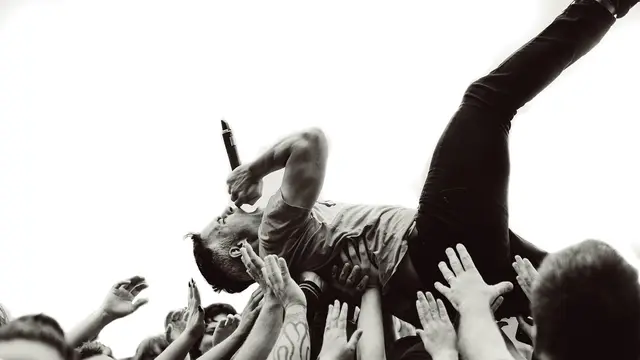
Turn an existing bar into a live music venue
Take over a licensed bar or pub and build it into a live music spot with a small stage.
- C$60k-250k
- Full-time
- Own premises
Standing-room neighbourhood bar
Open a small, standing-only bar serving drinks and simple snacks to locals on a busy street.
- C$60k-250k
- Full-time
- Own premises

Private-room karaoke bar
Rent small themed rooms by the hour to friends and groups, with drinks and snacks brought to the door.
- C$80k-250k
- Full-time
- Own premises
Sit-down fish and chips restaurant
Open a small, casual restaurant serving fresh battered fish and chips to diners at tables.
- C$60k-250k
- Full-time
- Own premises
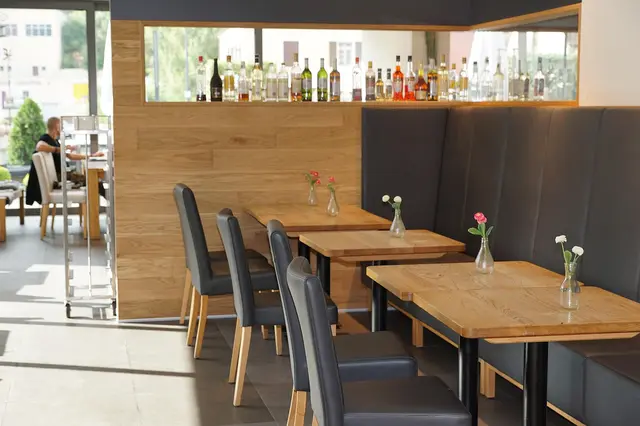
Neighbourhood lounge bar in leased premises
Open a small, relaxed bar with comfy seating, good drinks and simple snacks in a local high street or neighbourhood unit.
- C$80k-250k
- Full-time
- Own premises
Photo: SocialButterflyMMG on Pixabay