Small-Batch charcuterie workshop
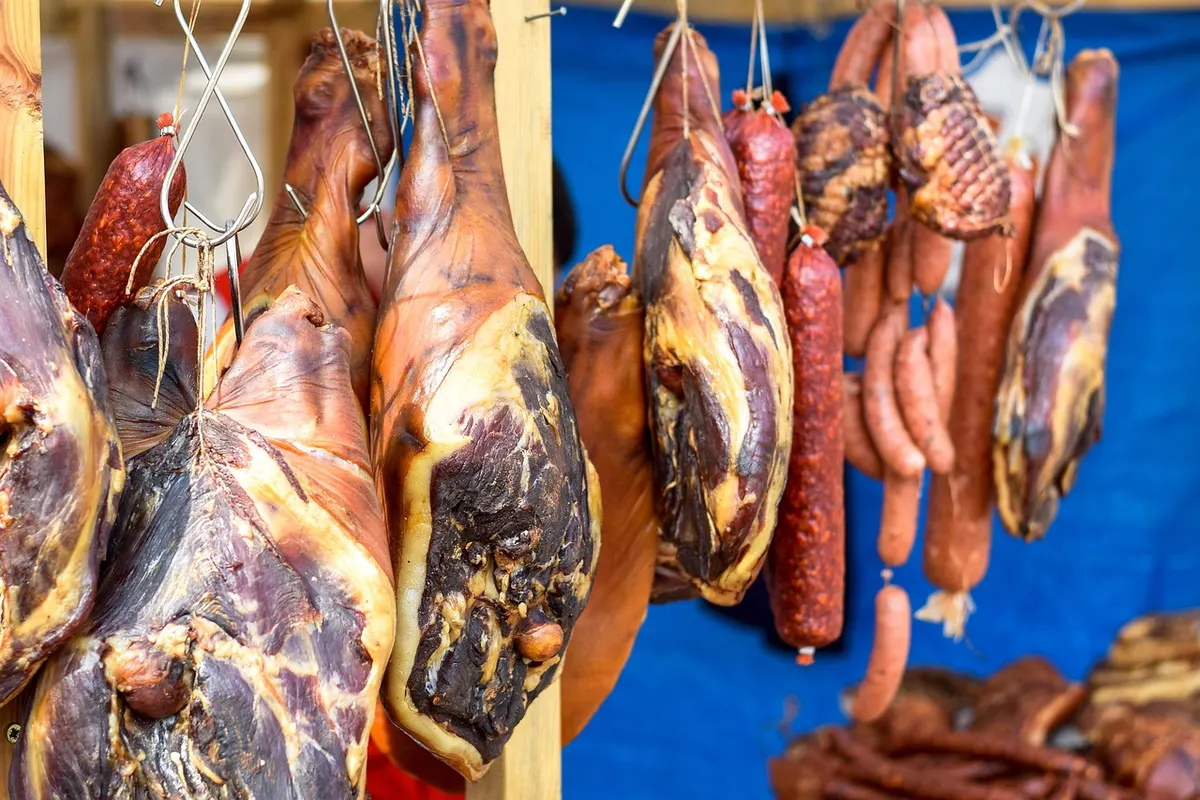
Cure and smoke salami, ham and sausages in a small licensed unit and sell to restaurants, shops and markets.
- C$40k-150k
- Part-time
- Own premises
- Licence or permit needed
Estimates for a small start in Canada, not guarantees.
What it is
A small production space with a cold room, curing chamber and smokehouse, where you make a few signature products such as salami, cured ham, bacon or smoked sausages in small batches.
Your first three steps
- Take a charcuterie or meat curing course and practise small batches with a mentor or an established producer
- Contact your provincial meat inspection body and your local public health unit to find out which licence your plan needs
- Develop two or three products and take samples to local restaurants, delis and market organizers
Who pays
Restaurants, independent grocers and delis, farmers' market shoppers, and local customers who buy online or by pre-order.
How it makes money
Wholesale prices to restaurants and shops, and higher retail prices at markets or through pre-orders. Curing takes weeks, so you earn from a steady range of products, not single batches.
Skills that help
- Meat butchery and food safety knowledge
- Patience and careful record keeping
- Selling to chefs and shop owners
Watch out for
- Meat plant licensing: check whether your province or the CFIA regulates your sales, as the rules differ if you sell outside your province
- Dry curing needs a documented food safety plan, such as controls for Listeria and proper temperature and humidity records. Check what your inspector requires
- Zoning and building rules for your unit, plus commercial general liability and product liability insurance
- Long curing times tie up cash in stock before you get paid
- Check labelling rules, including bilingual labelling for products sold across Canada, and French-language rules in Quebec
🔒 Full research report for Canada
Real cost breakdown with current prices, licences and registration checklist, local competition, pricing, break-even and a 30-day launch plan, with sources.
Coming soonQuestions people ask
How much does it cost to start a charcuterie workshop in Canada?
Estimates suggest startup costs are typically around $40,000 to $150,000 CAD, depending on the size of your unit and the curing and smoking equipment you need. Long curing times also tie up cash in stock before you get paid.
What licences and rules apply to making cured meats?
Check whether your province or the CFIA regulates your sales, as the rules differ if you sell outside your province. Also check your inspector's food safety plan requirements, zoning and building rules, insurance, and labelling rules, including French-language rules in Quebec.
How much can a small charcuterie workshop earn?
Monthly revenue is typically estimated at around $4,000 to $20,000 CAD, depending on your product range and how many restaurants, shops and market customers you sell to. Plan on roughly 25 hours a week or more.
Other ways to run this business

Similar food ideas
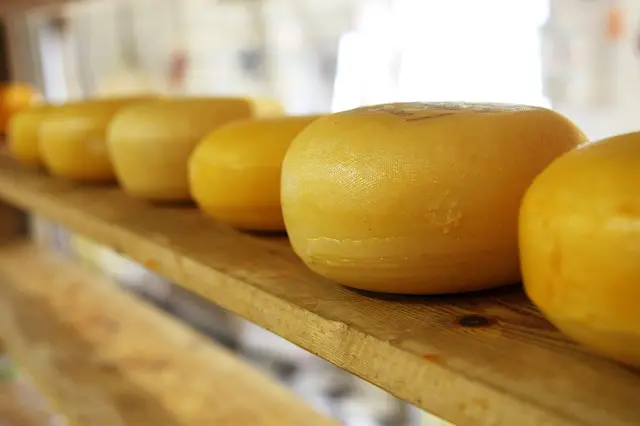
Small-batch cheese and yogurt creamery
Turn milk bought from a local farm into cheese, yogurt or butter and sell it at markets, shops and restaurants.
- C$30k-150k
- Part-time
- Own premises

Açaí bowl and smoothie shop
Run a small counter-service shop selling açaí bowls, smoothies and juices for takeaway or quick eating in.
- C$40k-150k
- Full-time
- Own premises
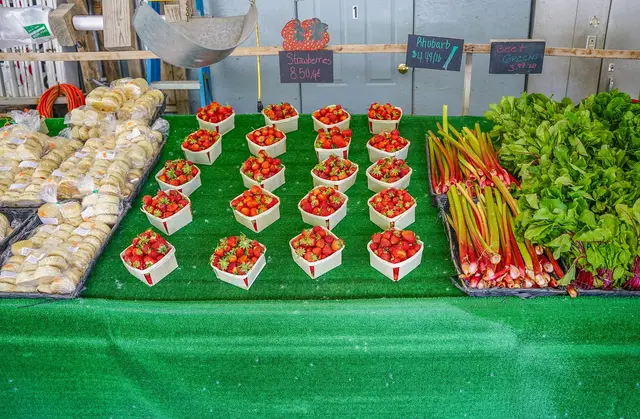
Neighbourhood fruit and vegetable shop
Run a small shop selling fresh produce sourced from growers and wholesalers to local shoppers.
- C$50k-150k
- Full-time
- Own premises
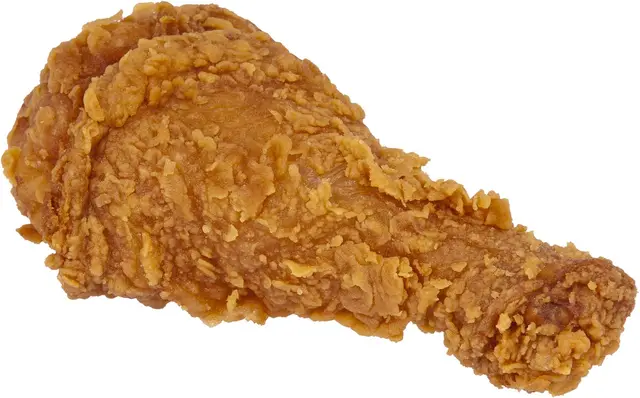
Neighbourhood takeaway counter
Open a small counter-service shop selling one focused menu, such as pizza, chicken, shawarma or curries, for pickup and delivery.
- C$30k-150k
- Full-time
- Own premises

Italian grocery shop
Open a small shop selling Italian pasta, cheese, oils and pantry staples to local food lovers.
- C$40k-150k
- Full-time
- Own premises

Neighbourhood pastry shop
Open a small shop selling fresh pastries, cakes and coffee-time treats, plus custom orders for events.
- C$40k-150k
- Full-time
- Own premises
Photo: Pexels on Pixabay