After-school chess club and group classes
Run group chess classes in schools, community centres and libraries, paid by parents or the organization.
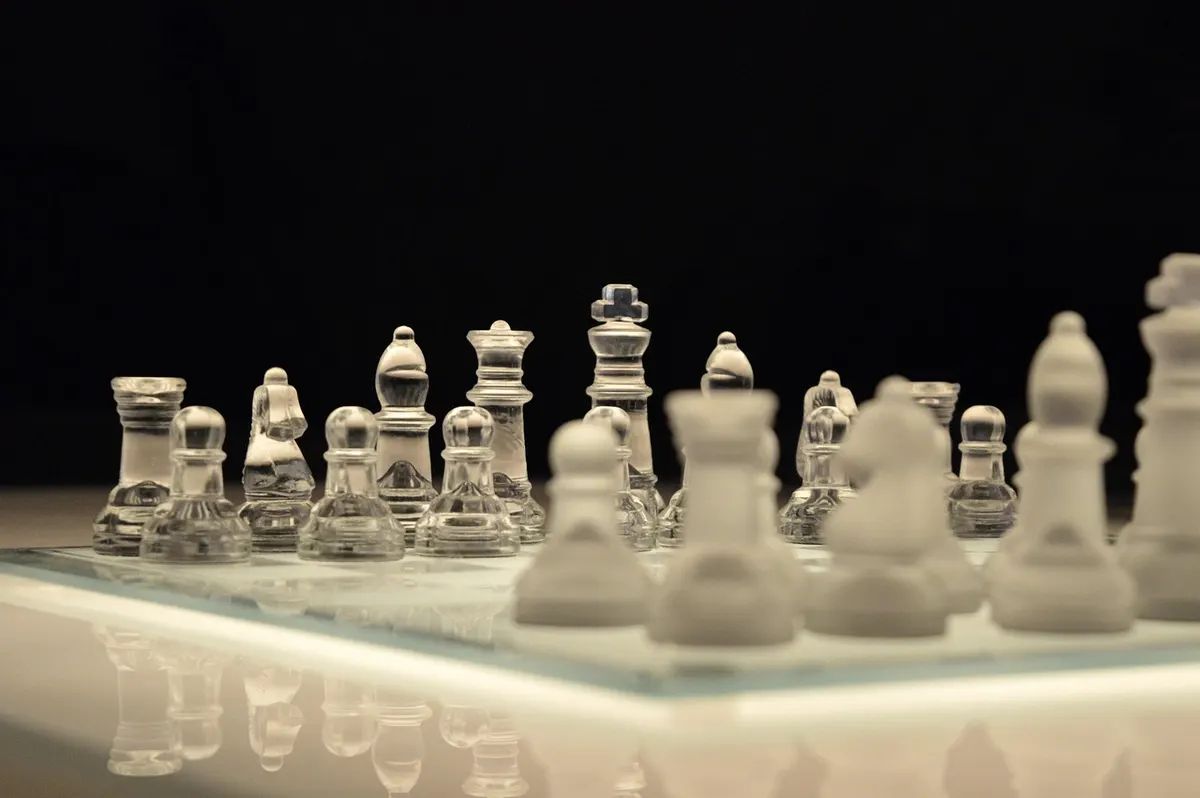
- C$300-1.5k
- Side hustle
- Out and about
Estimates for a small start in Canada, not guarantees.
What it is
Weekly group chess programs for children, such as after-school clubs, holiday camps and beginner courses for adults. You plan the lessons, bring boards and sets, and run friendly games and mini tournaments.
Your first three steps
- Plan a simple 8-week beginner program with a lesson outline and a price per child
- Buy a few sets of boards and pieces and a demonstration board, then get a police record check ready
- Pitch a trial club to local schools, parent councils, community centres and library branches
Who pays
Parents paying per child, plus schools, parent councils, community centres, libraries and recreation departments that hire instructors.
How it makes money
Per-student fees for a session of weeks, or a flat fee per class from a school or centre. Larger groups raise income per hour of your time.
Skills that help
- Strong chess knowledge
- Managing a group of children
- Lesson planning for mixed levels
- Organizing bookings and payments
Watch out for
- Schools and recreation centres usually ask for a police record check (vulnerable sector check) and proof of insurance, so check their requirements early
- Commercial general liability insurance is worth checking, as venues often require a certificate
- Check whether a school board has rules on outside providers, which can differ by province and district
- Check when to register for GST/HST and how to handle payments from venues
- Programs follow the school year, so summer income may be lower unless you run camps
🔒 Full research report for Canada
Real cost breakdown with current prices, licences and registration checklist, local competition, pricing, break-even and a 30-day launch plan, with sources.
Coming soonQuestions people ask
How much does it cost to start a chess club business in Canada?
Startup costs are typically around $300 to $1,500, depending on how many boards and sets you buy and what materials you need. Your own chess knowledge and lesson planning are the main assets, so equipment needs stay fairly small.
How much can a chess instructor earn running group classes?
Monthly revenue is typically estimated at around $500 to $3,500, depending on how many programs you run and how many children attend. Programs follow the school year, so summer income may be lower unless you run camps.
What should I check before running chess classes in schools?
Schools and recreation centres usually ask for a police record check (vulnerable sector check) and proof of insurance. Check whether venues want commercial general liability insurance, and whether your school board has rules on outside providers, which can differ by province.
Other ways to run this business
Similar teaching and tutoring ideas
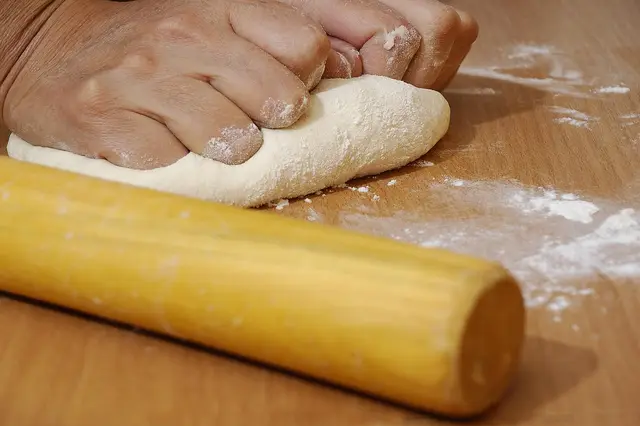
In-home cooking lessons and private parties
Visit clients' homes to teach private cooking lessons for families, couples and small parties.
- C$300-1.5k
- Side hustle
- Out and about
Online live cooking classes and courses
Teach live video cooking classes and multi-week courses from your own kitchen.
- C$300-1.5k
- Side hustle
- Online
Workplace French lessons at your clients' offices
Teach French to teams at local employers, in their meeting rooms or by video, on contract.
- C$300-1.5k
- Part-time
- Out and about

Online posing and portfolio coaching
Coach aspiring models by video on posing, presentation and portfolio building, from home.
- C$300-1.5k
- Side hustle
- Online
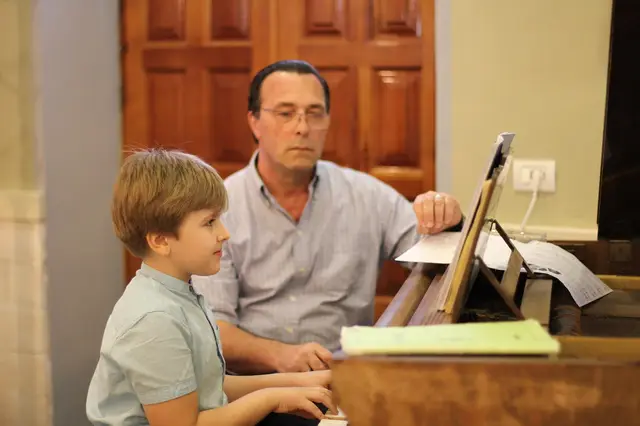
Home studio music lessons
Teach piano, guitar, voice or another instrument to local pupils in a spare room at home.
- C$200-1.5k
- Side hustle
- From home
Home-based exam prep tutor
Coach small groups or one-on-one for exams like the SAT, ACT, LSAT or provincial tests from your own home.
- C$200-1.5k
- Side hustle
- From home
Photo: obsidianphotography on Pixabay