Custom Turnery for Furniture and Trade
Make table legs, stair spindles and replacement parts to order for furniture makers and renovators.
- C$8k-35k
- Part-time
- Own premises
Estimates for a small start in Canada, not guarantees.
What it is
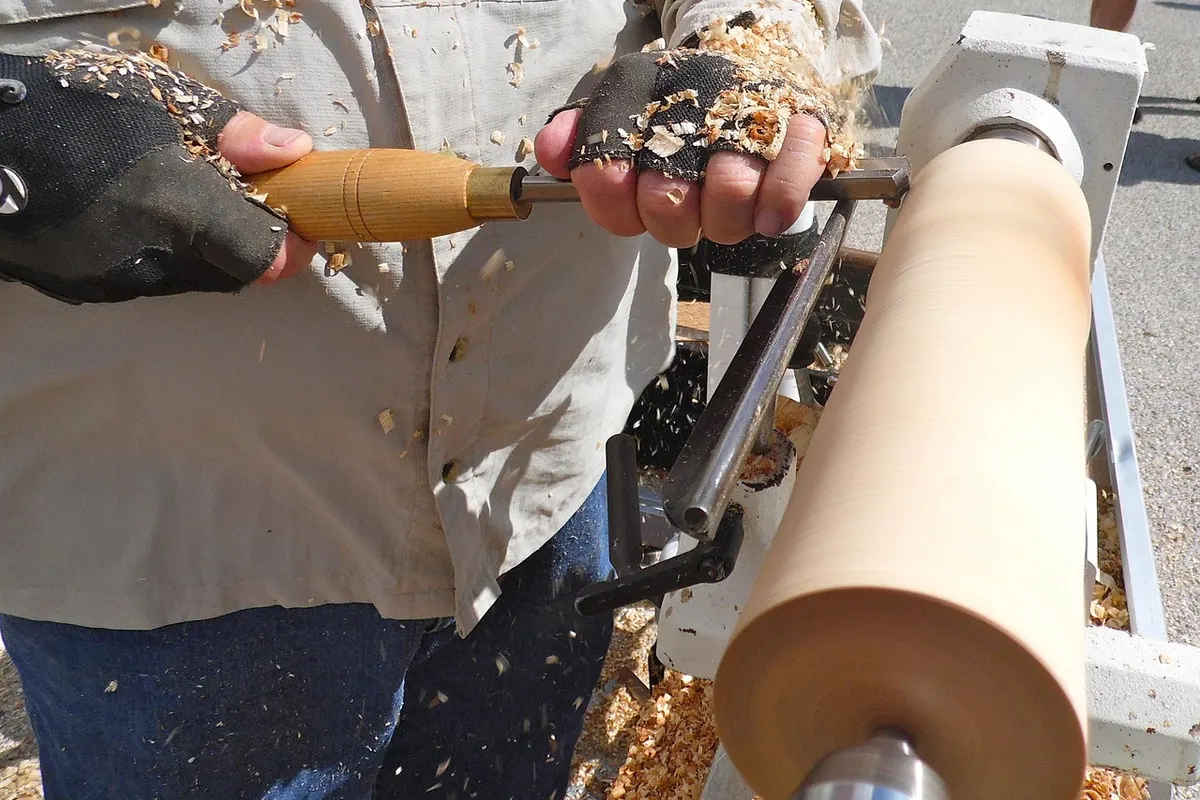
A small workshop turning furniture parts such as legs, spindles, newel posts, knobs and replacement pieces for restoration, in batches or one-offs.
Your first three steps
- Visit local cabinet shops, restorers and stair builders to ask what turned parts they struggle to source
- Find a small unit or shared workshop space and price a lathe, a copy attachment and dust extraction
- Make sample parts in two or three popular woods and use them to quote your first trade jobs
Who pays
Furniture makers, cabinet shops, renovators, stair builders, restorers and homeowners with a specific need.
How it makes money
Quoting per part or per batch based on material, time and complexity, with repeat orders from trade customers.
Skills that help
- Accurate repeat turning to a drawing or sample
- Quoting and costing jobs
- Knowledge of hardwoods and how they behave
- Reliable communication with trade customers
Watch out for
- Check zoning for workshop use and any rules on dust, noise and fire safety
- Commercial general liability insurance, plus cover for your tools and stock
- Check WCB/WSIB requirements in your province before you hire anyone
- Dust collection and machine guarding are key safety issues, so check workplace safety rules
- Winter heating costs for a workshop and wood that moves with humidity changes
- Trade customers may pay slowly, so agree terms or take deposits on larger jobs
🔒 Full research report for Canada
Real cost breakdown with current prices, licences and registration checklist, local competition, pricing, break-even and a 30-day launch plan, with sources.
Coming soonQuestions people ask
How much does it cost to start a custom turnery workshop in Canada?
Startup costs are typically estimated at around $8,000 to $35,000, depending on the machines, tooling, dust collection and workshop space you need. Treat this as a planning range and get quotes for your own setup before committing.
How much can a custom turnery business earn?
Monthly revenue is typically estimated at around $1,500 to $7,500, depending on your hours, your mix of batch and one-off jobs, and how quickly trade customers pay. These are estimates, not guarantees, and revenue is not the same as profit.
What rules should I check before opening a turnery workshop?
Check zoning for workshop use and any rules on dust, noise and fire safety. Also look into commercial general liability insurance, cover for tools and stock, WCB/WSIB requirements before you hire, and workplace safety rules on dust collection and machine guarding.
Other ways to run this business
Similar making and manufacturing ideas

Mobile welding and fabrication
Take a welder and tools to farms, building sites and yards to repair and fit metalwork on the spot.
- C$8k-35k
- Part-time
- Out and about
Small-batch team wear studio
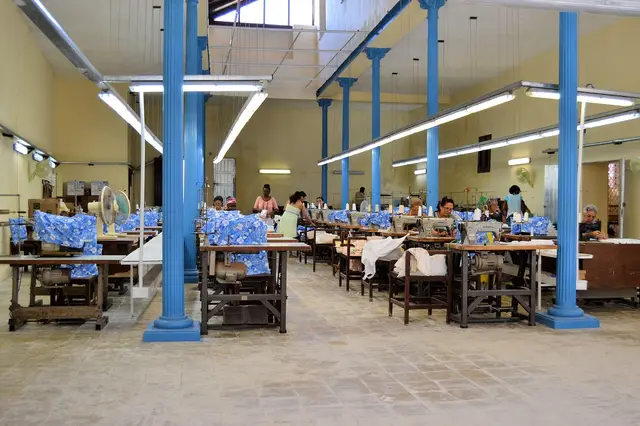
Cut, sew and print custom jerseys and training gear for local clubs and leagues in short runs.
- C$8k-35k
- Part-time
- Own premises
Garage machining for repairs and one-offs
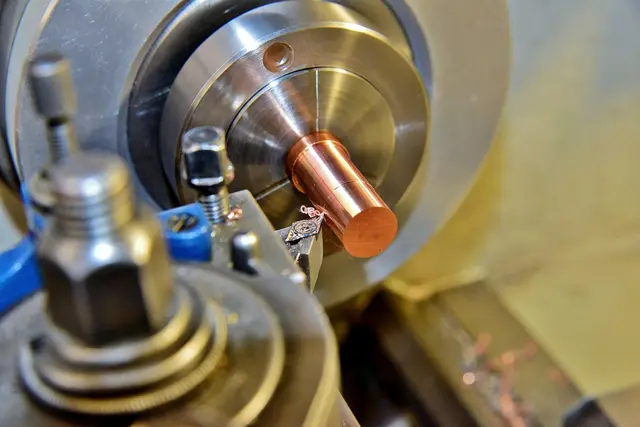
Make and repair single metal or plastic parts from a small workshop at home for local customers.
- C$8k-35k
- Side hustle
- From home
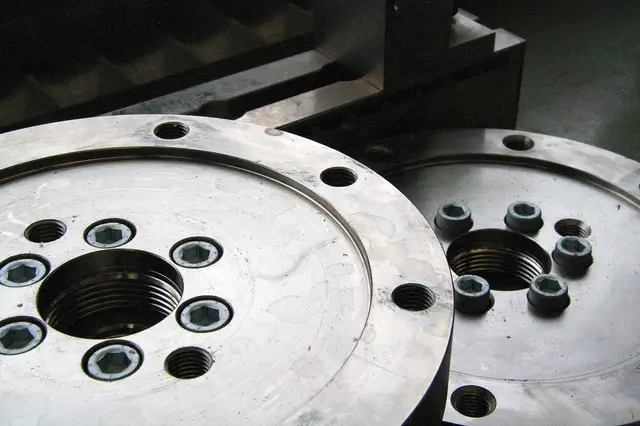
Garage workshop making one-off replacement parts
Use a manual lathe, mill and benchtop tools to make single replacement parts for local farms and repair shops.
- C$8k-35k
- Side hustle
- From home

Wide-format lamination and finishing studio
Laminate large posters, signs and display graphics for sign shops, printers and event companies from a small unit.
- C$8k-35k
- Part-time
- Own premises
Local poly sheeting supplier with delivery
Stock poly rolls from a small unit and supply builders, farmers and contractors nearby.
- C$8k-35k
- Part-time
- Own premises
Photo: chefkeem on Pixabay