Dance classes in a rented studio or hall
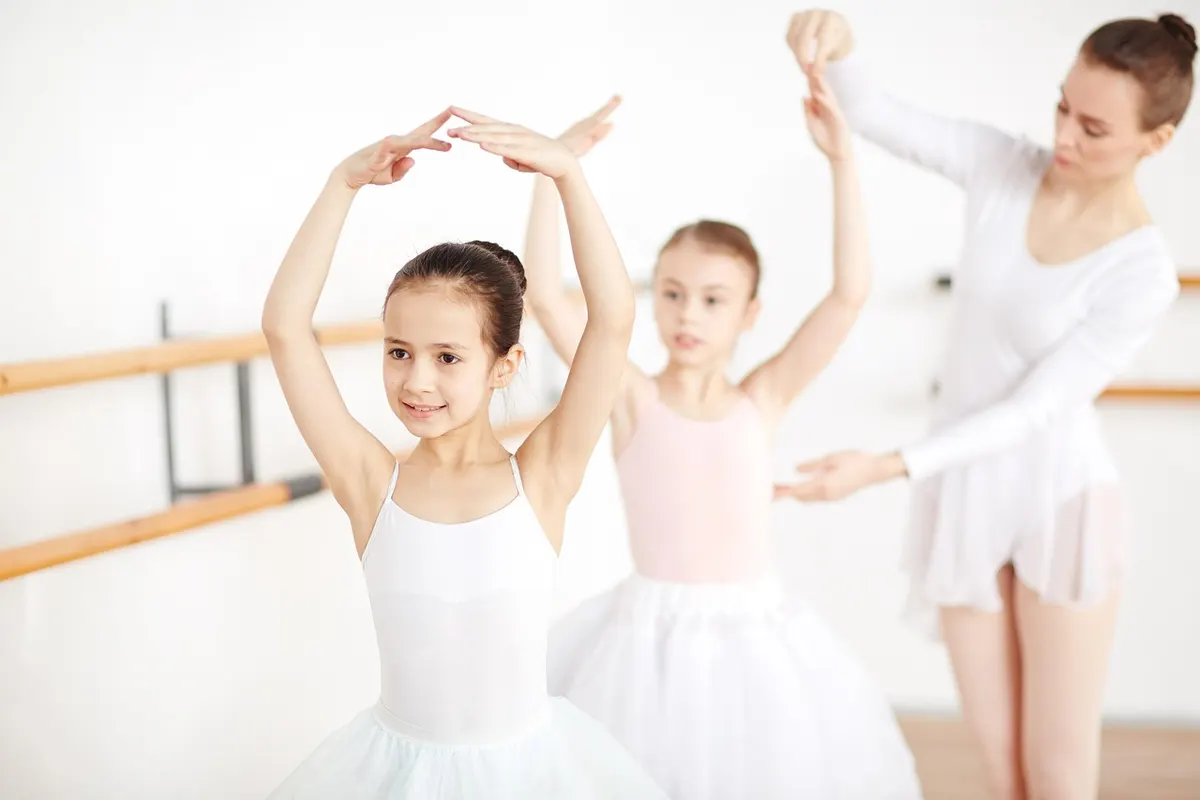
Run weekly dance classes for kids or adults in a rented studio, community hall or school gym.
- C$300-2k
- Side hustle
- Own premises
Estimates for a small start in Canada, not guarantees.
What it is
You teach group classes in one dance style, such as hip hop, ballet, Latin or line dancing, in space you rent by the hour. Classes run in terms or sessions, for example 8 to 10 weeks.
Your first three steps
- Choose one style and age group, then compare local class prices and hourly rental rates at halls, rec centres and studios
- Book a regular weekly slot and set a term price that covers the rent with a small number of students
- Promote with a sign-up page, local Facebook groups and school or community newsletters, and offer a free or discounted trial class
Who pays
Parents of children and teens, adults wanting a hobby or fitness class, and sometimes community groups.
How it makes money
Course fees per student for each term, or a drop-in price per class. Rent is paid by the hour, so a fuller class means a better margin.
Skills that help
- Strong skills in at least one dance style
- Clear teaching and class planning
- Patience with beginners and children
- Basic bookkeeping and organizing
Watch out for
- Commercial general liability insurance, which many venues require before you can rent
- Check whether your area expects a police record check or vulnerable sector check for working with children
- Check with your municipality whether you need a business licence
- Winter weather can affect attendance, so plan a refund or make-up class policy
- Registering for GST/HST once revenue passes the small supplier threshold
🔒 Full research report for Canada
Real cost breakdown with current prices, licences and registration checklist, local competition, pricing, break-even and a 30-day launch plan, with sources.
Coming soonQuestions people ask
How much does it cost to start a dance class business?
Estimates suggest startup costs typically around $300 to $2,000, depending on your setup and the venues you use. Many venues require commercial general liability insurance before you can rent, so check this early.
What licences or checks do I need to teach dance in Canada?
Check whether your municipality requires a business licence, and whether your area expects a police record or vulnerable sector check for working with children. Also check venue insurance requirements and GST/HST registration once revenue passes the small supplier threshold.
How much can a dance teacher make from group classes?
Estimates suggest monthly revenue typically around $400 to $3,000, depending on class sizes and how many classes you run. Plan for at least about 5 hours a week, and consider a refund or make-up policy for winter weather.
Other ways to run this business

Similar teaching and tutoring ideas
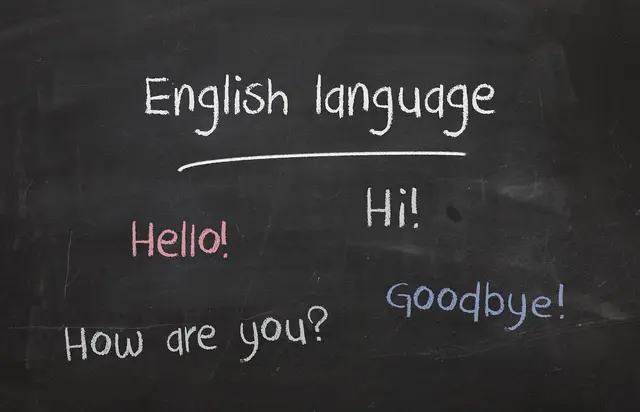
Online English tutor for adult learners
Teach English one-to-one or in small online classes to learners at home and abroad.
- C$200-2k
- Side hustle
- Online
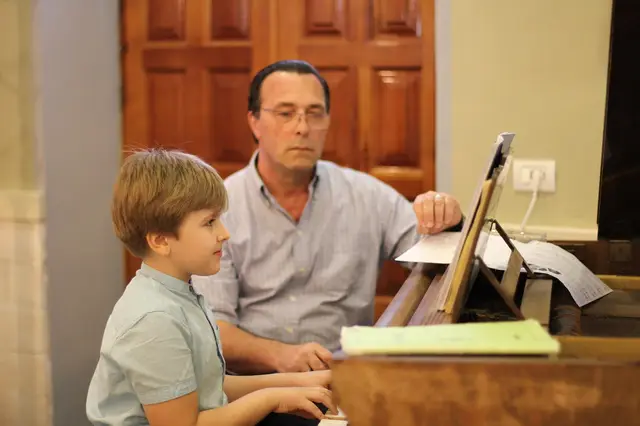
Travelling music teacher
Visit pupils at home or teach at local schools and daycares, so families skip the drive.
- C$300-2k
- Part-time
- Out and about
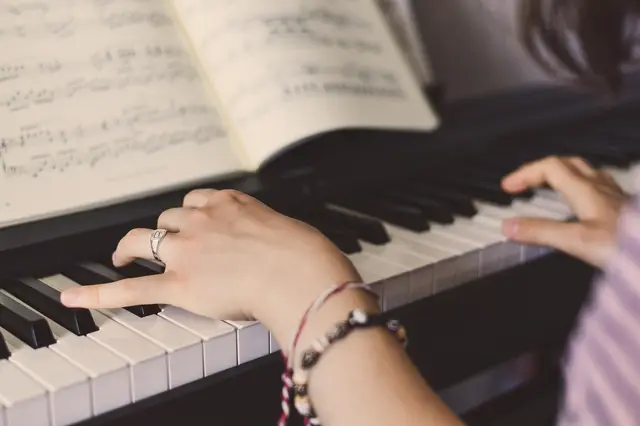
Home studio piano teacher
Teach piano to children and adults in a quiet room at home, on a regular weekly timetable.
- C$200-2k
- Side hustle
- From home

Live online training and exam prep cohorts
Run small live online classes with set start dates, coaching and feedback for learners working towards a skill or exam.
- C$300-2k
- Side hustle
- Online
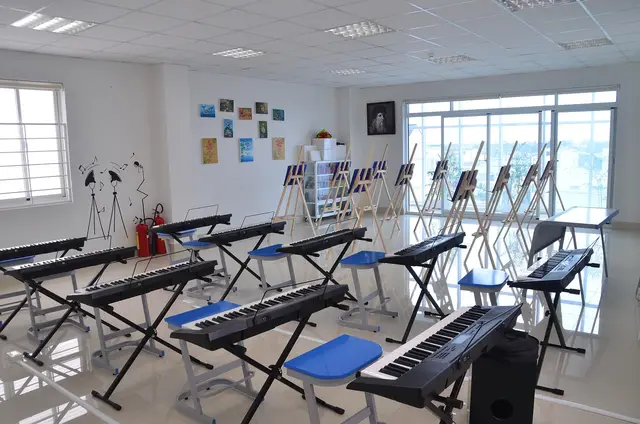
Home music studio teaching
Teach piano, guitar or voice to local children and adults from a room in your home.
- C$300-2k
- Side hustle
- From home
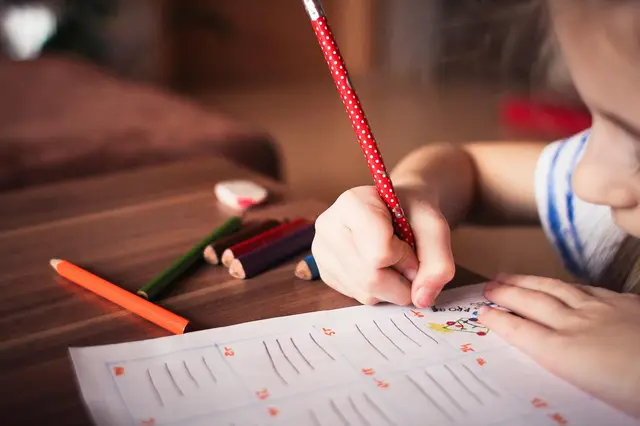
Home-based exam prep tutoring
Run small after-school exam prep groups for local students from a spare room or basement.
- C$300-2k
- Side hustle
- From home
Photo: vlrondon on Pixabay