Local electric motor and parts counter shop
Open a small shop or unit where trades and workshops can walk in and buy motors and parts the same day.
- C$25k-100k
- Full-time
- Own premises
- Licence or permit needed
Estimates for a small start in Canada, not guarantees.
What it is
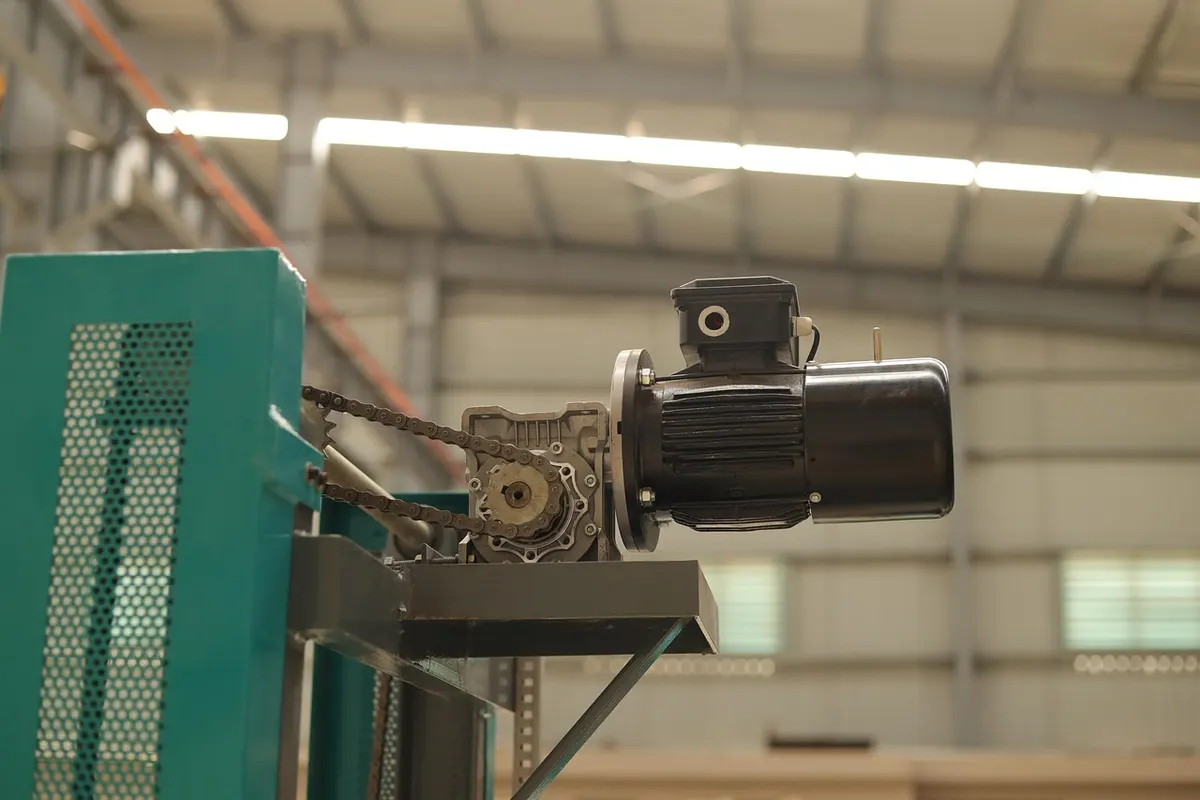
A small shop or trade counter in an industrial area stocking common electric motors and spare parts, with advice on matching a replacement motor. You can also take orders online and by phone for pickup or delivery.
Your first three steps
- Talk to local electricians and workshops about what motors and parts they struggle to get quickly
- Apply for dealer or reseller accounts with a few motor distributors and compare terms
- Find a small unit with parking and loading access, and check zoning with your municipality before signing a lease
Who pays
Electricians, mechanics, millwrights, farmers, small manufacturers and homeowners who need a motor quickly.
How it makes money
Margin on motors and parts sold over the counter, plus repeat trade accounts and special orders for less common motors.
Skills that help
- Knowing motor types, sizes and ratings
- Trade customer service
- Inventory and supplier management
Watch out for
- Stock ties up a lot of cash, so start with fast-moving sizes
- Most municipalities require a business licence and the right zoning for retail in an industrial unit, so confirm with your municipality before opening
- Check electrical product certification (such as CSA or cUL marking) and energy efficiency rules for what you sell
- Commercial general liability and product liability insurance
- WCB/WSIB coverage rules by province once you hire staff
- Trade customers often expect credit terms, so manage late payment risk
Deep research report · Canada
Everything you need to start: local electric motor and parts counter shop
Researched with live web search for Canada: real startup prices, the licences and rules, what others charge, a break-even example, how to find your first customers and a 30-day launch plan. With sources.
- Startup costs with real prices
- Licences, registration and rules
- Pricing: what others charge
- Break-even example
- Finding your first customers
- 30-day launch plan
- Risks and how to reduce them
Questions people ask
How much does it cost to open an electric motor counter shop in Canada?
Estimates suggest startup costs typically around $25,000 to $100,000, depending on your premises, fit-out and how much stock you buy. Stock ties up a lot of cash, so starting with fast-moving sizes is worth considering.
What licences and rules should I check before opening a motor parts shop?
Check with your municipality about a business licence and the right zoning for retail in an industrial unit. Also check electrical product certification, such as CSA or cUL marking, energy efficiency rules for what you sell, and WCB/WSIB coverage rules by province once you hire staff.
How much can a local electric motor shop earn?
Estimates suggest monthly revenue typically around $8,000 to $40,000, depending on your location, stock range and how many trade customers you win. Trade customers often expect credit terms, so plan for late payment risk.
Other ways to run this business

Similar retail ideas

Asian household goods shop
Run a small shop selling Asian kitchenware, cleaning goods and home decor to your local community.
- C$25k-100k
- Full-time
- Own premises

Formal wear hire shop
Open a small shop renting gowns, tuxedos and tailcoats for weddings, proms and events.
- C$25k-100k
- Full-time
- Own premises

Neighbourhood skate shop
Open a small shop selling skates, protective gear and parts for ice and roller skaters.
- C$25k-100k
- Full-time
- Own premises

Silk fabric and accessories boutique
Open a small shop where sewers, designers and gift buyers can touch silks and buy fabric, scarves and accessories.
- C$25k-100k
- Full-time
- Own premises

Oriental rug showroom
Open a small shop where customers can see, touch and try hand-knotted rugs before buying.
- C$25k-100k
- Full-time
- Own premises
Independent womenswear shop
Open a small high-street or neighbourhood shop selling women's clothing and accessories, with an online shop alongside.
- C$25k-100k
- Full-time
- Own premises
Photo: hirenlathiya107 on Pixabay