Local electrical supply shop and trade counter
Stock cable, breakers, lighting and fittings for electricians and homeowners from a small shop or unit.

- C$60k-250k
- Full-time
- Own premises
- Licence or permit needed
Estimates for a small start in Canada, not guarantees.
What it is
A small shop or trade counter in a retail or light industrial unit selling everyday electrical items: wire and cable, boxes, breakers, switches, outlets, lighting, bulbs and fittings. You focus on being quick, well stocked and helpful for local electricians and contractors, with homeowners as extra walk-in trade.
Your first three steps
- Talk to local electricians and contractors about what they struggle to get quickly, and note which gaps big box stores leave
- Apply for trade accounts with a few electrical distributors and ask about minimum orders, credit terms and dealer programs
- Price out a small unit near contractor traffic, then build a starter stock list and a simple cash flow forecast
Who pays
Electricians, renovation contractors, property managers, maintenance teams and DIY homeowners nearby.
How it makes money
You buy from distributors and manufacturers and sell at a markup. Trade accounts bring repeat orders, and walk-in customers usually pay full price. Special orders and delivery to job sites can add income.
Skills that help
- Knowing electrical products and what they are for
- Stock control and ordering
- Customer service and building trade relationships
- Basic bookkeeping
Watch out for
- Stock ties up a lot of cash, so start with fast-moving items and check supplier credit terms
- Check that products are certified for use in Canada (for example CSA or another recognized certification body) before you sell them
- Check with your municipality about a business licence, zoning and signage rules for the unit
- Register for GST/HST and check your province's sales tax rules, including Quebec's own requirements
- Selling parts is different from giving installation advice, so be careful about telling customers how to do electrical work and check what liability insurance you need
- Competition from big box stores and large wholesalers on price, so service and availability matter
Deep research report · Canada
Everything you need to start: local electrical supply shop and trade counter
Researched with live web search for Canada: real startup prices, the licences and rules, what others charge, a break-even example, how to find your first customers and a 30-day launch plan. With sources.
- Startup costs with real prices
- Licences, registration and rules
- Pricing: what others charge
- Break-even example
- Finding your first customers
- 30-day launch plan
- Risks and how to reduce them
Questions people ask
How much does it cost to start an electrical supply shop?
Startup costs are estimates, typically around $60,000 to $250,000, depending on the unit and how much stock you carry. Monthly revenue is typically around $20,000 to $90,000, depending on your range and trade customers.
What rules should I check before opening an electrical supply shop?
Check that products are certified for use in Canada (for example CSA or another recognized body), and check your municipality for business licence, zoning and signage rules. Also register for GST/HST and check provincial sales tax rules, including Quebec's.
What skills do I need to run an electrical supply counter?
The idea calls for knowing electrical products and their uses, stock control and ordering, customer service and building trade relationships, and basic bookkeeping. Typical hours are at least 40 per week.
Other ways to run this business

Similar retail ideas
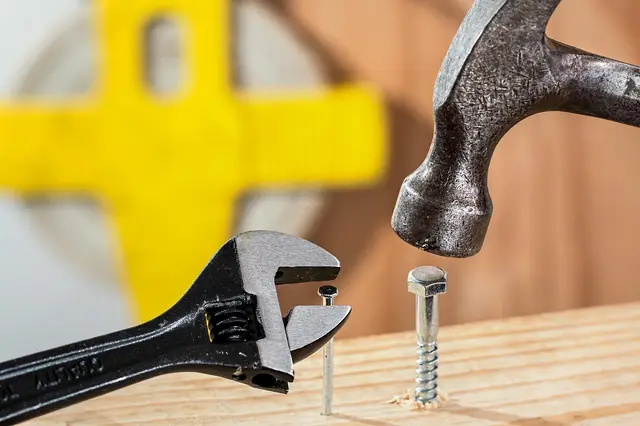
Neighbourhood hardware and DIY store
Open a small local store selling tools, paint, fixings and supplies to homeowners and tradespeople.
- C$60k-250k
- Full-time
- Own premises
Licensed hunting and shooting shop
Run a small licensed shop selling firearms, ammunition and gear to hunters and sport shooters in your area.
- C$50k-250k
- Full-time
- Own premises
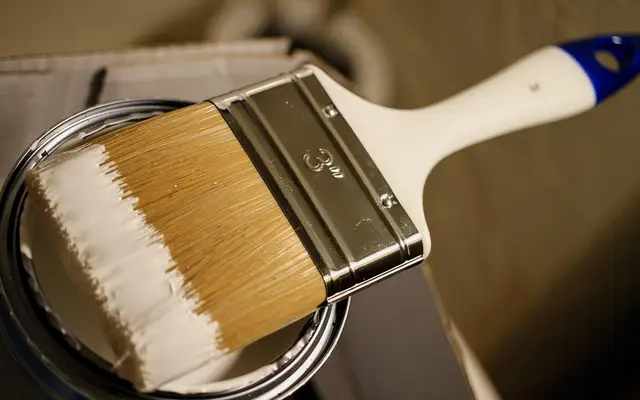
Neighbourhood paint and decorating shop
Open a small local shop selling paint, colour matching and supplies to homeowners and painters.
- C$60k-250k
- Full-time
- Own premises
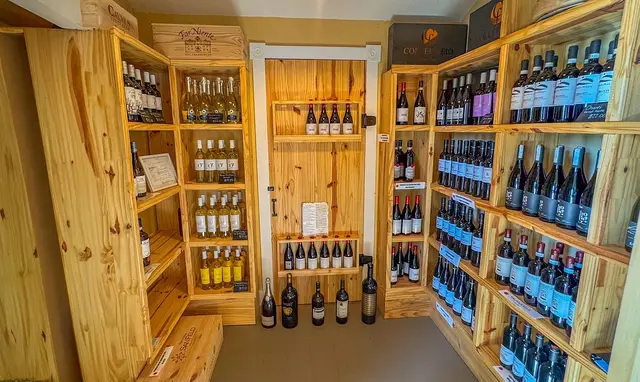
Independent neighbourhood wine shop
Open a small shop selling carefully chosen wine and spirits to locals, restaurants and gift buyers.
- C$70k-250k
- Full-time
- Own premises

Leather goods wholesaler with a small warehouse
Rent a small unit with a showroom, hold wide stock and supply retailers across your region.
- C$60k-250k
- Full-time
- Own premises

Wine shop with cellar storage
Open a small wine shop that sells bottles to locals and restaurants and rents out cellar space to clients.
- C$60k-250k
- Full-time
- Own premises