Electronic parts counter for repairers and makers
Run a small shop or unit stocking components for local repair businesses, students and hobbyists, plus an online store.
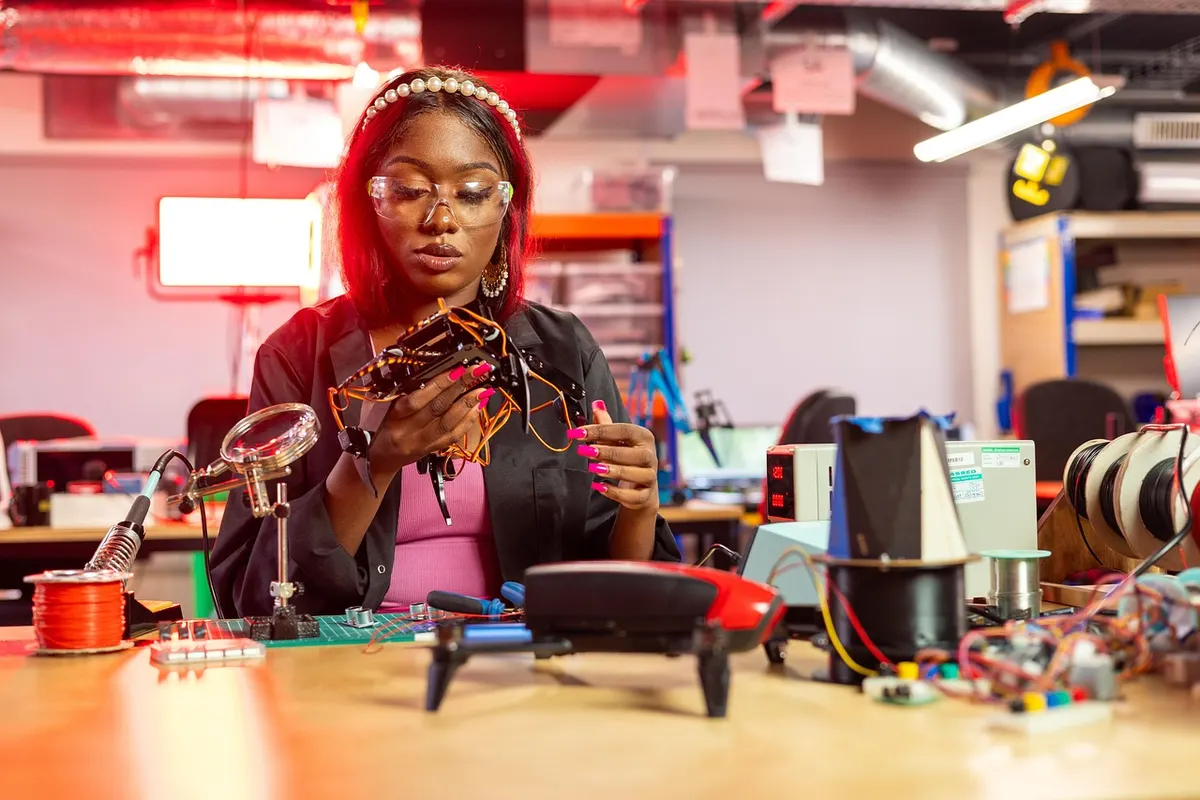
- C$15k-60k
- Full-time
- Own premises
Estimates for a small start in Canada, not guarantees.
What it is
A small premises with a counter and shelves of components, tools and connectors, serving walk-in customers and local trade accounts, backed by an online shop for wider sales.
Your first three steps
- Visit local repair shops, schools and makerspaces to ask what parts they struggle to get quickly
- Price out small units or shared retail space and set up accounts with distributors that support small resellers
- Start with a core range of fast-moving parts and offer trade accounts to a few local businesses
Who pays
Local repair shops, technicians, schools and colleges, small manufacturers, makerspaces and hobbyists who need parts the same day.
How it makes money
Markup on parts and accessories, trade accounts with repeat orders, and add-ons like soldering supplies, tools and workshop kits.
Skills that help
- Good knowledge of components and datasheets
- Stock control and purchasing
- Customer service and advice at the counter
- Basic bookkeeping
Watch out for
- Check municipal zoning and business licence requirements for retail premises
- Commercial general liability and contents insurance, and check what your landlord requires
- Register for GST/HST and check provincial sales tax rules where you operate
- Lease commitments and rent are a fixed cost, so confirm demand before signing
- Large stock can tie up cash and parts can become obsolete
- Check WCB or WSIB rules in your province before hiring staff
- Winter weather can reduce walk-in traffic, so keep the online shop active
Deep research report · Canada
Everything you need to start: electronic parts counter for repairers and makers
Researched with live web search for Canada: real startup prices, the licences and rules, what others charge, a break-even example, how to find your first customers and a 30-day launch plan. With sources.
- Startup costs with real prices
- Licences, registration and rules
- Pricing: what others charge
- Break-even example
- Finding your first customers
- 30-day launch plan
- Risks and how to reduce them
Questions people ask
How much does it cost to open an electronic parts shop?
Estimates suggest startup costs typically sit around $15,000 to $60,000, depending on the premises, stock and tools you carry. Monthly revenue is typically estimated at around $4,000 to $20,000, depending on location, trade accounts and how active your online shop is.
What rules and insurance should I check for a parts counter?
Check municipal zoning and business licence requirements for retail premises, commercial general liability and contents insurance, and what your landlord requires. Also check GST/HST registration, provincial sales tax rules, lease commitments, and WCB or WSIB rules before hiring staff.
What skills and time does an electronic parts counter need?
The idea calls for good knowledge of components and datasheets, stock control and purchasing, counter advice and basic bookkeeping. Estimates suggest at least about 35 hours a week. Large stock can tie up cash, and winter weather may reduce walk-in traffic.
Other ways to run this business
Similar retail ideas

Second-hand CD shop
Open a small shop selling used CDs, buying collections over the counter and building a local music community.
- C$15k-60k
- Full-time
- Own premises
Linen shop on your local high street
Open a small shop selling bed linen, towels and table textiles to shoppers in your neighbourhood.
- C$15k-60k
- Full-time
- Own premises

Massage supplies shop
Open a small local shop where therapists and clients can see and try tables, oils and equipment before buying.
- C$15k-60k
- Full-time
- Own premises

Neighbourhood flower shop
Open a small street-front shop selling fresh flowers, gifts and arrangements, with local delivery.
- C$15k-60k
- Full-time
- Own premises
Used computer shop with repairs
Open a small shop selling refurbished computers and parts, with repairs to bring customers back.
- C$15k-60k
- Full-time
- Own premises
Miniatures and hobby shop with a play area
Open a small local shop for miniatures and dollhouses, with a painting and gaming table to build a community.
- C$15k-60k
- Full-time
- Own premises
Photo: This_is_Engineering on Pixabay