Small warehouse electronics distributor
Stock a unit with branded electronics and supply independent retailers and trade buyers in your region.
- C$30k-150k
- Full-time
- Own premises
Estimates for a small start in Canada, not guarantees.
What it is
You rent a small warehouse unit, hold stock of consumer electronics such as audio, smart home devices, and computer peripherals, and supply retailers and trade buyers with regular deliveries or pickups.
Your first three steps
- Approach manufacturers and national distributors about opening a trade account or becoming a regional reseller
- Price out small industrial units and shipping options, and plan how much stock you can fund
- Line up a few retailers willing to place trial orders before you commit to a lease
Who pays
Independent electronics and appliance stores, regional retail chains, office suppliers, schools, and small businesses buying in volume.
How it makes money
You sell at trade prices above your bulk cost, earning from volume, repeat accounts and sometimes supplier rebates, while managing stock and credit terms.
Skills that help
- Supplier and buyer negotiation
- Inventory and cash flow management
- Building trade relationships
Watch out for
- Many major brands have approval requirements and minimum orders, so check what each supplier expects
- Cash flow risk from large stock purchases, unsold stock and customers paying late on credit terms
- Certification, ISED approval and provincial e-waste and battery fees for the products you sell
- Commercial general liability and stock insurance, plus WCB/WSIB coverage once you hire (rules vary by province)
- Lease terms, zoning for warehouse use, and security for valuable stock
- Customs duties, GST/HST handling and a CRA Business Number for importing
🔒 Full research report for Canada
Real cost breakdown with current prices, licences and registration checklist, local competition, pricing, break-even and a 30-day launch plan, with sources.
Coming soonQuestions people ask
How much does it cost to start an electronics distribution business?
Startup costs are estimated at typically around $30,000 to $150,000, depending on the unit you rent and how much stock you buy. Large stock purchases bring cash flow risk from unsold stock and customers paying late on credit terms.
What should I check before distributing electronics in Canada?
Check each major brand's approval requirements and minimum orders. Also check product certification, ISED approval, provincial e-waste and battery fees, insurance, lease terms, zoning for warehouse use, and customs duties, GST/HST and a CRA Business Number for importing.
How much can a small electronics distributor earn?
Monthly revenue is estimated at typically around $20,000 to $100,000, depending on the brands you carry and the volume your retail and trade buyers order. The estimate assumes a full-time commitment of at least about 35 hours a week.
Other ways to run this business
Similar retail ideas

Local DJ gear shop
Open a small shop where DJs can try controllers, test headphones and get advice in person.
- C$40k-150k
- Full-time
- Own premises

Independent cigar and pipe tobacco shop
Open a small specialist store selling cigars, pipe tobacco and accessories to adult customers who want good advice.
- C$50k-150k
- Full-time
- Own premises

Western wear shop
Open a small shop selling boots, hats and western clothing, with proper fitting for local riders and ranch families.
- C$40k-150k
- Full-time
- Own premises
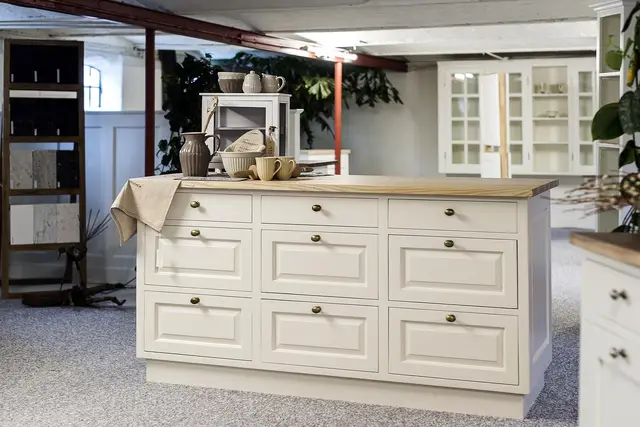
Small cabinet showroom
Open a local showroom selling kitchen, bathroom and storage cabinets to homeowners, renovators and contractors.
- C$30k-150k
- Full-time
- Own premises

Small-premises pawn shop
Lend cash against jewellery, tools and electronics, then resell items that aren't reclaimed.
- C$30k-150k
- Full-time
- Own premises
Small-town general store
Run the shop a smaller community relies on, mixing everyday goods with local products and practical extras.
- C$40k-150k
- Full-time
- Own premises