Home-Based food equipment dealer
Sell mixers, sealers and packaging machines to small food makers, working from home as a dealer or agent.
- C$2k-10k
- Side hustle
- From home
Estimates for a small start in Canada, not guarantees.
What it is
You represent one or more equipment makers, or resell new and used machines, to small bakeries, caterers and food producers. You help them choose the right machine, and the supplier ships it.
Your first three steps
- Pick a niche, such as bakery, meat, or sauce and jar packaging, and list the machines small producers ask about most
- Contact manufacturers and distributors about dealer or agent terms, and ask about demo units and warranty support
- Make a simple website and catalogue, then introduce yourself to local food incubators, shared kitchens and food associations
Who pays
Start-up food producers, bakeries, restaurants, commercial kitchens and small processors upgrading their equipment.
How it makes money
A commission from the manufacturer or a mark-up on each machine, plus extras like accessories, spare parts and delivery arrangements.
Skills that help
- Sales and relationship building
- Learning how food machines work
- Following up with customers and suppliers
Watch out for
- Check that machines carry the electrical certification your province requires (often CSA or similar)
- Imported machines can mean duties, shipping costs and exchange-rate risk
- Be clear on who handles warranty claims and repairs before you sell
- Check whether your municipality requires a home-based business licence
- Register for GST/HST once you pass the small supplier threshold
- Sales can be slow because customers buy machines rarely, so plan for gaps in income
Deep research report · Canada
Everything you need to start: home-based food equipment dealer
Researched with live web search for Canada: real startup prices, the licences and rules, what others charge, a break-even example, how to find your first customers and a 30-day launch plan. With sources.
- Startup costs with real prices
- Licences, registration and rules
- Pricing: what others charge
- Break-even example
- Finding your first customers
- 30-day launch plan
- Risks and how to reduce them
Questions people ask
How much does it cost to start a food equipment dealer business?
Estimates put startup costs at typically around $2,000 to $10,000, depending on whether you represent makers or buy machines to resell, plus your website, samples and travel. Check supplier terms before committing to stock.
How much can a home-based food machinery dealer earn?
Estimates suggest monthly revenue of typically around $1,000 to $5,000, depending on the machines you sell and how many customers you reach. Customers buy machines rarely, so income can come in gaps and needs planning.
What should I check before selling food machinery in Canada?
Check that machines carry the electrical certification your province requires (often CSA or similar). Also look at duties, shipping and exchange-rate risk on imports, who handles warranty claims, home-based licence rules, and GST/HST registration.
Other ways to run this business
Similar making and manufacturing ideas
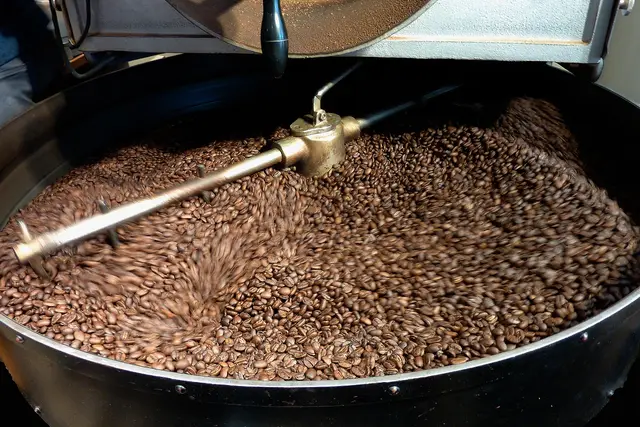
Food equipment sales agent for local producers
Sell mixers, slicers and packing machines from trusted brands to bakeries, butchers and food makers near you.
- C$2k-10k
- Side hustle
- Out and about
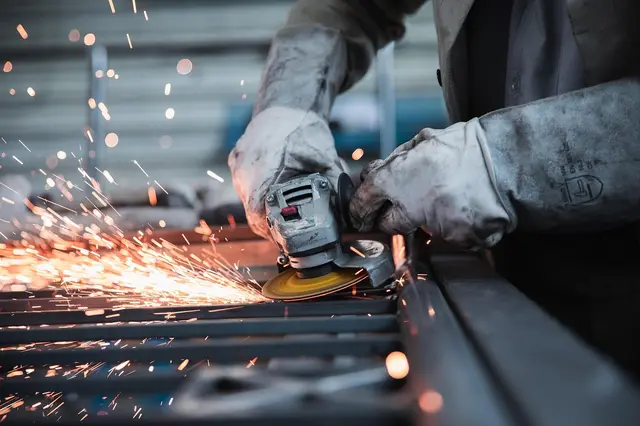
Home workshop metal fabricator
Make custom metal furniture frames, planters, gates and small parts from a garage or shed workshop.
- C$2.5k-10k
- Side hustle
- From home
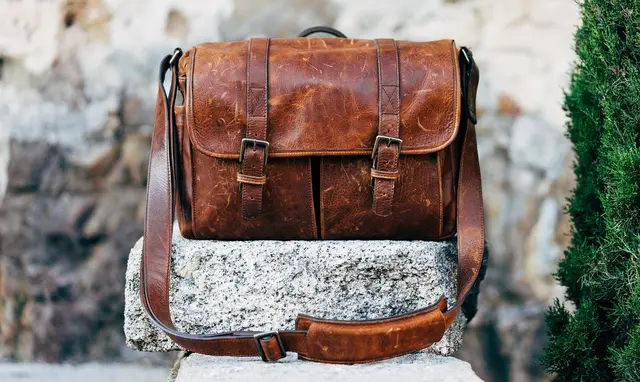
Home-based leather goods wholesaler
Source finished bags, belts and wallets from makers and sell them in bulk to shops and resellers.
- C$2k-10k
- Side hustle
- From home

Sail repair and canvas workshop
Repair sails and sew covers and dodgers for local boat owners from a home workshop or garage.
- C$2.5k-10k
- Side hustle
- From home
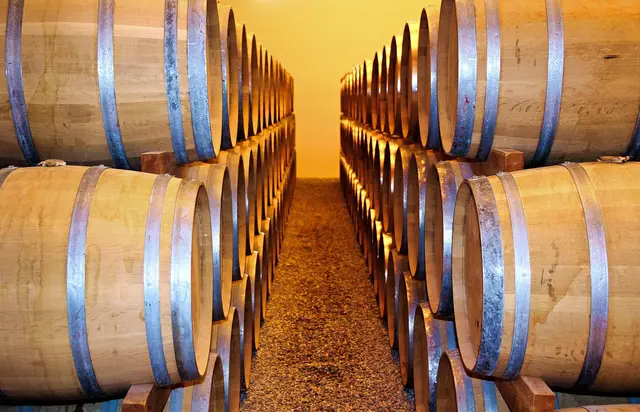
Used barrel broker for local brewers and wineries
Source used wine, whisky and spirit barrels from suppliers and resell them to craft breweries, distilleries and wineries.
- C$2k-10k
- Side hustle
- From home

Home-based clothing export agent
Source Canadian-made or wholesale clothing and sell it in small orders to overseas boutiques and retailers.
- C$2k-10k
- Side hustle
- From home
Photo: Jai79 on Pixabay