Local food wholesaler with a small unit and van
Stock a focused range of food in bulk and deliver it to cafés, shops and caterers on trade accounts.

- C$15k-60k
- Full-time
- Own premises
- Licence or permit needed
Estimates for a small start in Canada, not guarantees.
What it is
A small rented unit or warehouse bay where you store a focused range, such as dry goods, dairy alternatives, baking supplies or specialty imports. You deliver to local businesses by van, and some may collect from the unit.
Your first three steps
- Pick a niche range and talk to ten local cafés and shops about what they struggle to source
- Get quotes from suppliers and producers for bulk prices and minimum orders
- Price a small unit, a used van and insurance, then work out your margin per case before committing
Who pays
Independent cafés, restaurants, grocers, caterers and bakeries that want smaller, more flexible orders than the big distributors offer.
How it makes money
You buy in bulk and sell in case or half-case quantities at a margin. Regular weekly or fortnightly orders on trade accounts, plus delivery fees for small orders, make up the income.
Skills that help
- Building relationships with buyers
- Stock control and ordering
- Basic bookkeeping and invoicing
- Reliable delivery scheduling
Watch out for
- Check whether you need a Safe Food for Canadians licence, especially if you import or sell across provincial borders
- Check with your local public health unit and municipality about permits and storage rules for the products you handle
- Commercial general liability and commercial vehicle insurance
- Margins can be thin and unpaid trade invoices hurt cash flow, so set clear payment terms
- Cold storage and winter driving add costs and risk
Deep research report · Canada
Everything you need to start: local food wholesaler with a small unit and van
Researched with live web search for Canada: real startup prices, the licences and rules, what others charge, a break-even example, how to find your first customers and a 30-day launch plan. With sources.
- Startup costs with real prices
- Licences, registration and rules
- Pricing: what others charge
- Break-even example
- Finding your first customers
- 30-day launch plan
- Risks and how to reduce them
Questions people ask
How much does it cost to start a food wholesale business?
Startup costs are typically estimated at around $15,000 to $60,000, depending on your unit, van, initial stock and any cold storage. Margins can be thin, so set clear payment terms for trade customers from the start.
How much can a small food wholesaler make?
Monthly revenue is typically estimated at around $8,000 to $40,000, depending on your product range, number of trade accounts and delivery area. Unpaid trade invoices can hurt cash flow, so watch your payment terms.
What licences and permits should I check for food wholesale?
Check whether you need a Safe Food for Canadians licence, especially if you import or sell across provincial borders. Also check permits and storage rules with your local public health unit and municipality, and your insurance cover.
Other ways to run this business
Similar food ideas
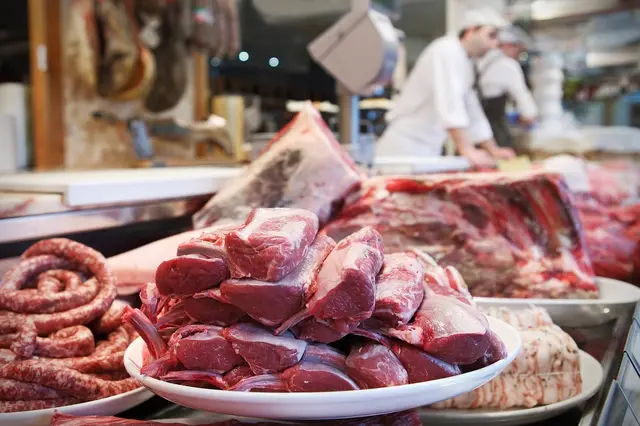
Market stall and local meat delivery
Sell fresh cuts and prepared meats at farmers' markets and by pre-order delivery, with no shop lease to carry.
- C$15k-60k
- Part-time
- Out and about

Local rice and grain distributor
Buy rice and grains in bulk, store them in a small unit and deliver to restaurants, takeaways and grocers.
- C$15k-60k
- Full-time
- Own premises
Local meat supplier with a refrigerated van
Buy from nearby producers and deliver meat to restaurants, caterers and butcher shops.
- C$15k-60k
- Part-time
- Out and about

Wholesale grocery delivery route for local shops
Buy everyday grocery lines in bulk and deliver them by van to independent shops on a regular route.
- C$15k-60k
- Part-time
- Out and about
Private-label olive oil bottling unit
Buy bulk olive oil, then bottle and label it under other people's brands for shops, restaurants and gift companies.
- C$15k-60k
- Full-time
- Own premises

Wedding bakery studio
Run a small by-appointment bakery unit making wedding cakes and dessert tables for a steady calendar of couples.
- C$15k-60k
- Full-time
- Own premises