Fresh produce delivery route for restaurants and grocers
Buy fresh produce early from a wholesale market and deliver it to restaurants and independent grocers on a regular route.

- C$12k-50k
- Part-time
- Out and about
- Licence or permit needed
Estimates for a small start in Canada, not guarantees.
What it is
You buy fruit and vegetables in bulk, usually from a wholesale terminal market or a larger distributor, then deliver them in a refrigerated or insulated van to business customers on set days. You start with a small route and add customers over time.
Your first three steps
- Visit your nearest wholesale market or produce distributor, learn how buying works and compare prices on common items
- Talk to 10 to 20 local restaurants and grocers about what they buy, how often and what they pay now
- Price out a used refrigerated van or insulated cargo van, plus commercial insurance, then register the business and get a Business Number
Who pays
Independent restaurants, cafés, caterers, small grocers, fruit stands and ethnic food stores that want fresh produce delivered without making their own market runs.
How it makes money
You earn the margin between your buying price and your selling price, case by case. Margins are thin, so volume, low waste and a tight delivery route matter. Some customers will also pay a small delivery fee.
Skills that help
- Knowing produce quality and how to store it
- Negotiating prices with suppliers and customers
- Early starts and reliable driving
- Basic bookkeeping and invoicing
Watch out for
- Check whether you need a Safe Food for Canadians licence from the CFIA, especially if you import or sell across provincial borders
- Check whether you need to join the Fruit and Vegetable Dispute Resolution Corporation, which many produce traders use for payment disputes
- Check your provincial and local public health rules for food handling, storage space and vehicles (Quebec has its own MAPAQ permits)
- Produce spoils fast, so unsold stock can wipe out your margin
- Customers paying late can strain cash flow when you pay suppliers quickly
- Commercial vehicle insurance and commercial general liability insurance
Deep research report · Canada
Everything you need to start: fresh produce delivery route for restaurants and grocers
Researched with live web search for Canada: real startup prices, the licences and rules, what others charge, a break-even example, how to find your first customers and a 30-day launch plan. With sources.
- Startup costs with real prices
- Licences, registration and rules
- Pricing: what others charge
- Break-even example
- Finding your first customers
- 30-day launch plan
- Risks and how to reduce them
Questions people ask
How much does it cost to start a produce delivery route in Canada?
Startup costs are typically estimated at around $12,000 to $50,000, depending on your van, refrigeration or insulation, and how much stock you buy at the start. Starting with a small route lets you add customers over time.
What licences or rules should I check for a produce delivery business?
Check whether you need a Safe Food for Canadians licence from the CFIA, especially if you import or sell across provincial borders. Also check whether to join the Fruit and Vegetable Dispute Resolution Corporation, and your provincial and local public health rules (Quebec has MAPAQ permits).
How much can a produce delivery route earn?
Monthly revenue is typically estimated at around $8,000 to $40,000, depending on how many customers you serve and the size of your route. That is revenue, not profit. Spoiled stock and late-paying customers can affect your margins and cash flow.
Other ways to run this business

Similar food ideas
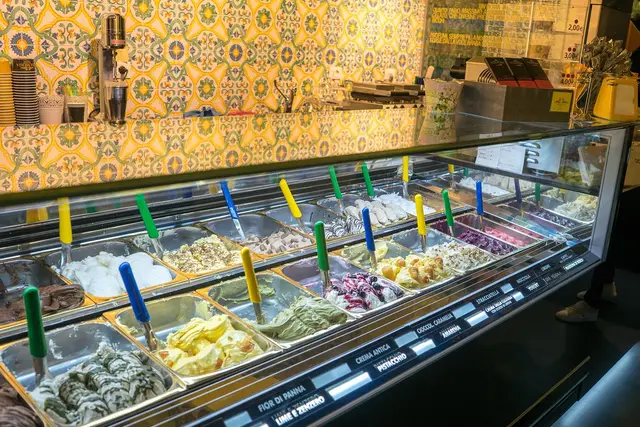
Seasonal ice cream kiosk or walk-up window
Sell cones and frozen treats from a small kiosk or window at a beach, park, marina or tourist spot.
- C$12k-50k
- Part-time
- Own premises
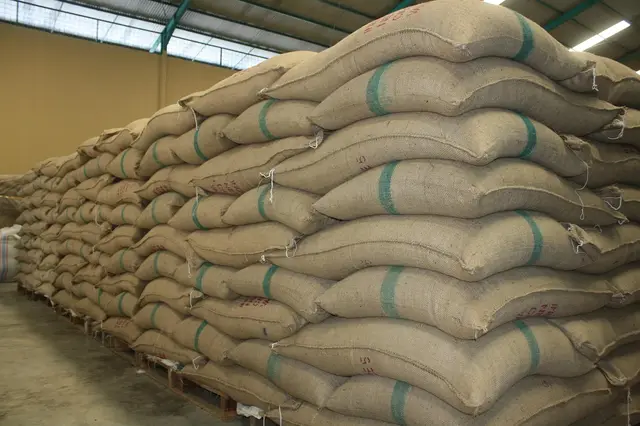
Wholesale coffee supplier with your own brand
Import or source green beans, have them roasted to your spec, and supply your brand to cafés and shops.
- C$15k-50k
- Full-time
- Own premises
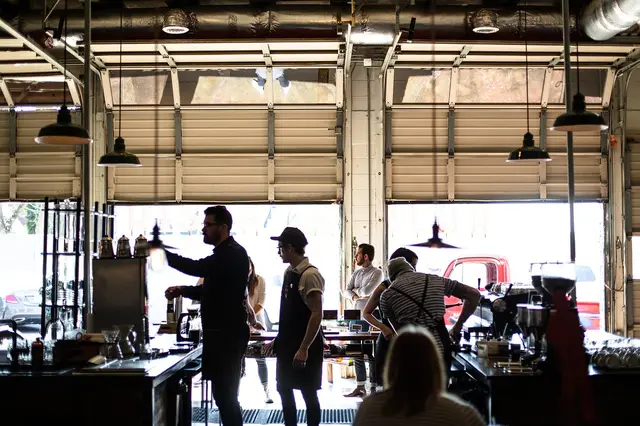
Mobile coffee cart or kiosk
Serve coffee, tea and pastries from a cart or small kiosk at markets, events and busy spots.
- C$8k-50k
- Side hustle
- Out and about
Wholesale and private-label seasoning supplier
Blend and pack seasonings in larger batches for local shops, restaurants and food makers who want their own label.
- C$10k-50k
- Full-time
- Own premises
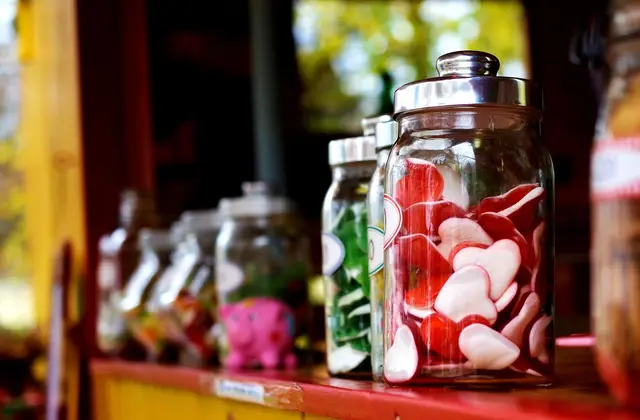
Tourist-town rock and hard candy shop
Open a small shop selling rock, hard candy and sweet gifts to visitors in a tourist town.
- C$12k-55k
- Full-time
- Own premises

Boutique wine agent and importer
Bring in small-producer wines and sell them to restaurants, bars and shops in your province.
- C$10k-40k
- Part-time
- Out and about