Neighbourhood grocery store
Run a small local shop stocking everyday food, drinks and household basics for people nearby.
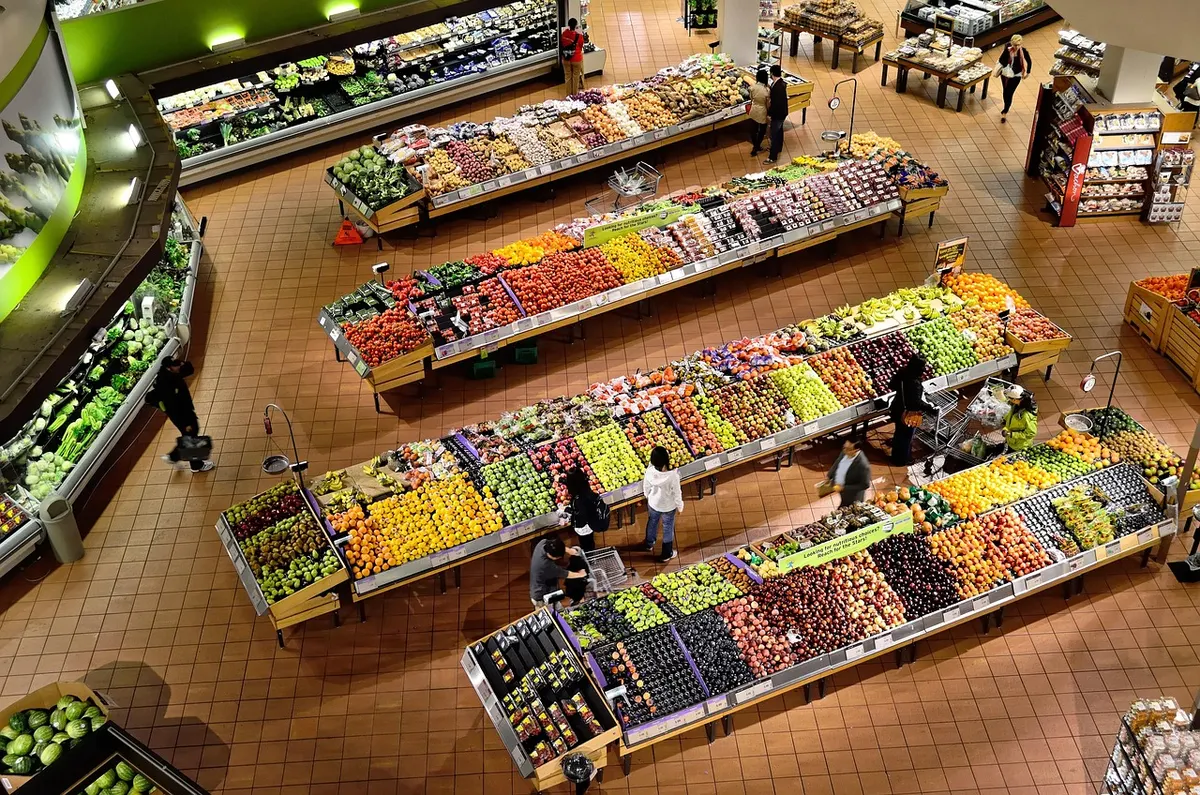
- C$50k-250k
- Full-time
- Own premises
- Licence or permit needed
Estimates for a small start in Canada, not guarantees.
What it is
A small shop selling staples like milk, bread, produce, packaged food, drinks and cleaning items to people in the surrounding streets. Many owners add a local or cultural focus to stand out from the big chains.
Your first three steps
- Study two or three streets you could serve: count nearby homes, check competing shops and note what's missing
- Visit a few wholesalers and cash-and-carry suppliers to compare prices and minimum orders
- Get a draft lease or rent quote for a small unit and build a simple monthly budget before committing
Who pays
Local residents, students, older people who prefer a short trip, and anyone needing a quick top-up shop.
How it makes money
You buy from wholesalers and suppliers and sell at a mark-up. Margins per item are thin, so steady daily traffic, low waste and good stock control matter most. Fresh items, prepared foods and specialty lines can earn more.
Skills that help
- Ordering and stock control
- Friendly customer service
- Basic bookkeeping and pricing
- Negotiating with suppliers
Watch out for
- Retail food permit or inspection from your local public health unit before opening
- Zoning and business licence rules in your municipality
- Selling alcohol, tobacco or lottery products usually has separate provincial rules, so check your provincial regulator
- GST/HST treatment differs between basic groceries and other items, so check with the Canada Revenue Agency or an accountant
- Spoiled stock, fridge breakdowns and theft can eat thin margins
- Commercial general liability and contents insurance
- Long hours, especially in the first year, and quieter winter months in some areas
- WCB/WSIB coverage if you hire staff (rules vary by province)
Deep research report · Canada
Everything you need to start: neighbourhood grocery store
Researched with live web search for Canada: real startup prices, the licences and rules, what others charge, a break-even example, how to find your first customers and a 30-day launch plan. With sources.
- Startup costs with real prices
- Licences, registration and rules
- Pricing: what others charge
- Break-even example
- Finding your first customers
- 30-day launch plan
- Risks and how to reduce them
Questions people ask
How much does it cost to start a grocery store in Canada?
Estimates suggest startup costs are typically around $50,000 to $250,000, depending on the premises, fit-out, fridges and opening stock. Get quotes for equipment and your first stock order before committing to a lease.
How much can a neighbourhood grocery store make?
Monthly revenue is typically estimated at around $25,000 to $120,000, depending on location, shop size and product range. Revenue is not profit, so allow for thin margins, spoiled stock and theft.
What permits and rules apply to opening a grocery store in Canada?
Things to check include a retail food permit or inspection from your local public health unit, municipal zoning and business licence rules, and separate provincial rules for alcohol, tobacco or lottery products. Check GST/HST treatment with the CRA or an accountant.
Other ways to run this business
Similar food ideas

Small plant-based neighbourhood restaurant
Run a small eat-in and takeout restaurant serving fully vegan meals to local diners.
- C$60k-250k
- Full-time
- Own premises

Neighbourhood butcher shop
Open a small counter-service shop selling fresh cuts, sausages and prepared meats to local households and restaurants.
- C$60k-250k
- Full-time
- Own premises

Meat wholesale unit with cold room and cutting
Run a small licensed unit that stores, portions and supplies meat to food businesses.
- C$60k-250k
- Full-time
- Own premises

Neighbourhood cake shop
Open a small shop selling ready-made cakes and slices, plus custom orders for local celebrations.
- C$80k-250k
- Full-time
- Own premises

Mineral water distributor with a small warehouse
Rent a small unit, stock several water brands and supply hotels, offices and shops across your region.
- C$80k-250k
- Full-time
- Own premises

Cat cafe with a rescue partner
Open a small cafe where guests pay to relax with adoptable cats from a local rescue.
- C$60k-250k
- Full-time
- Own premises
Photo: ElasticComputeFarm on Pixabay