Neighbourhood japanese grocery shop
Open a small shop stocking Japanese pantry staples, sauces, snacks and drinks for local households and restaurants.

- C$40k-150k
- Full-time
- Own premises
- Licence or permit needed
Estimates for a small start in Canada, not guarantees.
What it is
A small retail shop selling Japanese ingredients and packaged goods such as rice, soy sauce, miso, noodles, seaweed, sweets and drinks. You can add chilled and frozen items and kitchenware as you grow.
Your first three steps
- Visit similar shops and Asian food distributors in your region to compare ranges, prices and minimum orders
- Check your municipality for zoning, a business licence and any local health unit requirements for the premises
- Sign up with two or three food distributors and plan a starter range of 300 to 500 fast-selling items
Who pays
Home cooks, Japanese and other Asian communities, students, food lovers, and small local restaurants buying in bulk.
How it makes money
Retail margin on each product sold, plus larger wholesale orders to restaurants and cafes. Regulars buying staples weekly bring steady sales.
Skills that help
- Knowing Japanese food products and how people use them
- Stock ordering and managing shelf life
- Friendly customer service
- Basic bookkeeping
Watch out for
- Food retail rules: check with your local public health unit about permits and inspections, especially for chilled or frozen goods
- Prepackaged food labelling: check CFIA rules, including English and French requirements, for imported products
- If you import directly, check whether you need a CFIA Safe Food for Canadians licence; buying from Canadian distributors is simpler to start
- Commercial general liability and property insurance
- Best-before dates and slow-selling stock tying up cash
- Lease terms and rent in a location with enough local foot traffic
Deep research report · Canada
Everything you need to start: neighbourhood Japanese grocery shop
Researched with live web search for Canada: real startup prices, the licences and rules, what others charge, a break-even example, how to find your first customers and a 30-day launch plan. With sources.
- Startup costs with real prices
- Licences, registration and rules
- Pricing: what others charge
- Break-even example
- Finding your first customers
- 30-day launch plan
- Risks and how to reduce them
Questions people ask
How much does it cost to open a Japanese grocery shop in Canada?
Estimates suggest startup costs typically around $40,000 to $150,000, depending on your premises, fit-out, opening stock and any chilled or frozen equipment. Lease terms and location will affect your own figure.
How much revenue can a Japanese grocery shop make?
Estimated monthly revenue is typically around $15,000 to $70,000, depending on your location, product range and customer base, including any restaurants buying in bulk. The estimate assumes at least about 40 hours a week.
What rules should I check before opening a Japanese grocery shop?
Check permits and inspections with your local public health unit, especially for chilled or frozen goods. Check CFIA labelling rules, including English and French, and whether you need a Safe Food for Canadians licence if you import directly.
Similar food ideas
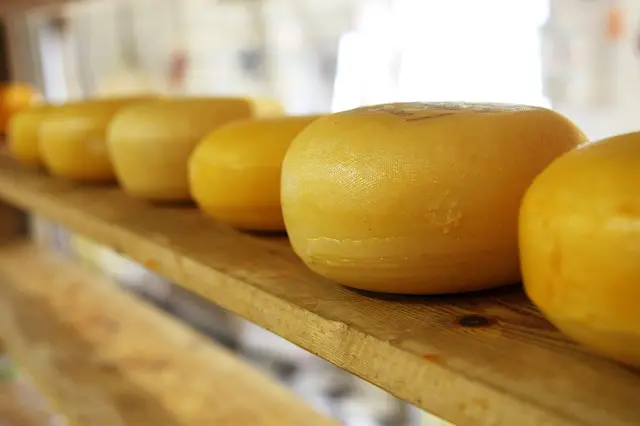
Small-batch cheese and yogurt creamery
Turn milk bought from a local farm into cheese, yogurt or butter and sell it at markets, shops and restaurants.
- C$30k-150k
- Part-time
- Own premises

Açaí bowl and smoothie shop
Run a small counter-service shop selling açaí bowls, smoothies and juices for takeaway or quick eating in.
- C$40k-150k
- Full-time
- Own premises
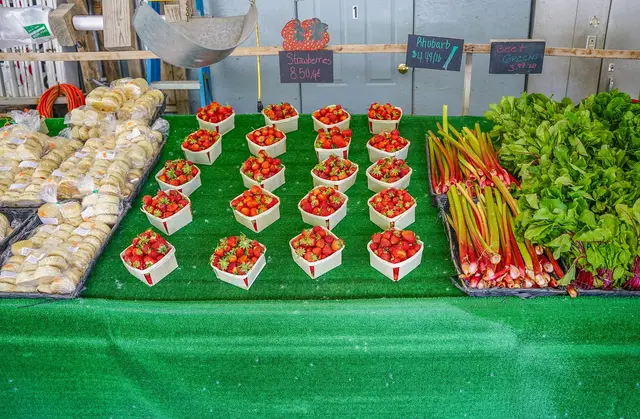
Neighbourhood fruit and vegetable shop
Run a small shop selling fresh produce sourced from growers and wholesalers to local shoppers.
- C$50k-150k
- Full-time
- Own premises
Neighbourhood takeaway counter
Open a small counter-service shop selling one focused menu, such as pizza, chicken, shawarma or curries, for pickup and delivery.
- C$30k-150k
- Full-time
- Own premises

Italian grocery shop
Open a small shop selling Italian pasta, cheese, oils and pantry staples to local food lovers.
- C$40k-150k
- Full-time
- Own premises
Neighbourhood pastry shop
Open a small shop selling fresh pastries, cakes and coffee-time treats, plus custom orders for events.
- C$40k-150k
- Full-time
- Own premises