Local temp staffing office
Open a small office that places temporary workers with local employers, with room to add a coordinator or two as clients grow.

- C$15k-60k
- Full-time
- Own premises
- Licence or permit needed
Estimates for a small start in Canada, not guarantees.
What it is
A storefront or small office agency where candidates can walk in, register and be interviewed, while you supply temporary staff to local employers across several types of work such as light industrial, warehousing and general labour.
Your first three steps
- Research local industrial areas and employers, then price a small office near candidates and transit
- Check with your provincial employment standards office whether temporary help agencies need a licence or registration where you will operate, and apply if so
- Arrange payroll, workers' compensation registration (WCB/WSIB or your provincial equivalent), insurance and a line of credit or other working capital
Who pays
Local manufacturers, warehouses, construction suppliers, retailers and service firms that need extra hands at peak times or to cover absences.
How it makes money
You charge employers an hourly rate per worker, pay the worker's wage and employer costs, and keep the margin. Volume across several clients is what covers the rent and staff costs.
Skills that help
- Business development and account management
- Interviewing and reference checking
- Managing a small team
- Basic payroll and compliance knowledge
Watch out for
- Rules for temporary help agencies differ by province. For example, Ontario requires temporary help agencies to hold a licence under the Employment Standards Act, and Quebec requires a licence from the CNESST for personnel placement agencies. Other provinces may have their own rules for employment agencies or recruiters, so check with your provincial employment standards office before opening
- Workplace safety: you may share responsibility with the client, so check your provincial health and safety rules and training requirements
- Large cash flow gap between weekly worker pay and client payment, and the risk of clients not paying
- Commercial lease commitments, and municipal zoning and business licence rules, so check with your municipality
- Reliance on one or two big clients, which can disappear quickly
- Seasonal swings in demand, especially in winter for some industries
Deep research report · Canada
Everything you need to start: local temp staffing office
Researched with live web search for Canada: real startup prices, the licences and rules, what others charge, a break-even example, how to find your first customers and a 30-day launch plan. With sources.
- Startup costs with real prices
- Licences, registration and rules
- Pricing: what others charge
- Break-even example
- Finding your first customers
- 30-day launch plan
- Risks and how to reduce them
Questions people ask
How much does it cost to open a temp staffing office?
Startup costs are typically estimated at around $15,000 to $60,000, depending on the office lease, licensing, insurance and the working capital you need. Plan for the gap between weekly worker pay and slower client payments.
How much can a temp staffing office earn?
Monthly revenue is typically estimated at around $6,000 to $30,000, depending on how many clients you serve and how many hours your workers are placed. Relying on one or two big clients can make income uneven.
What rules should I check before opening a staffing office?
Rules differ by province. Ontario requires temporary help agencies to hold a licence, and Quebec requires a CNESST licence for personnel placement agencies. Check your provincial employment standards office, workplace safety responsibilities, and municipal zoning and business licence rules before opening.
Other ways to run this business
Similar business services ideas

Small collection agency with a collector team
Run a licensed office with a few collectors handling overdue accounts for several clients.
- C$12k-60k
- Full-time
- Own premises
Office supplies wholesaler with a small warehouse
Rent a small unit, stock office consumables in volume and supply stationers, shops and larger local businesses.
- C$15k-60k
- Full-time
- Own premises

Used store fixtures warehouse and showroom
Rent a small unit, stock second-hand shelving and counters, and supply local retailers with delivery.
- C$12k-60k
- Full-time
- Own premises

Neighbourhood mailbox rental shop
Rent private mailboxes and receive parcels for locals, students and small firms from a small storefront.
- C$15k-60k
- Part-time
- Own premises
Secure document pickup and shredding service
Collect locked bins from local offices, shred at your own small unit and sell the paper on to a recycler.
- C$15k-60k
- Part-time
- Own premises
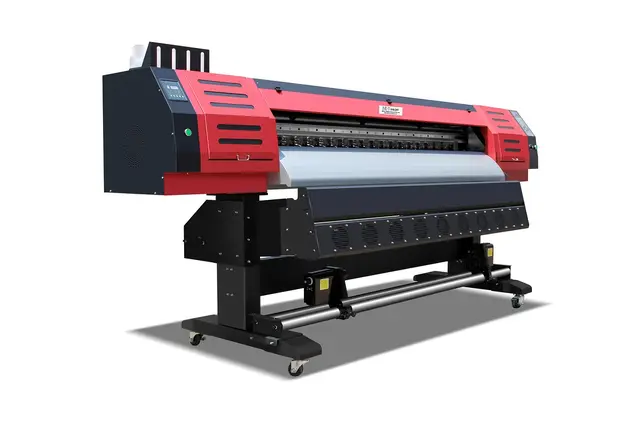
Local banner and sign print shop
Run a small unit with a wide-format printer, making banners and signs for local businesses and events.
- C$15k-60k
- Full-time
- Own premises