Corner shop with a lottery counter
Run a small neighbourhood store where selling lottery tickets brings steady foot traffic and a commission on every sale.

- C$30k-150k
- Full-time
- Own premises
- Licence or permit needed
Estimates for a small start in Canada, not guarantees.
What it is
A small convenience store, newsstand or variety shop that is approved by your provincial lottery corporation to sell lottery tickets from a terminal at the counter. Lottery is one part of the business, alongside snacks, drinks and everyday items.
Your first three steps
- Contact your provincial lottery corporation to ask about retailer requirements, how to apply and what location criteria they use
- Research local foot traffic, competition and lease costs, then draft a simple budget for a small shop
- Register your business with your province, get a Business Number from the CRA and ask about commercial general liability insurance
Who pays
Local residents, commuters and passers-by who buy tickets, plus the lottery corporation, which pays you a commission on ticket sales.
How it makes money
A commission from the lottery corporation on tickets sold, plus regular shop sales from customers who come in for tickets and buy something else. The commission alone is small, so the shop's overall sales matter most.
Skills that help
- Friendly, reliable customer service
- Careful cash handling and basic bookkeeping
- Stock ordering and managing a small team or shifts
Watch out for
- Retailer approval is set by your provincial lottery corporation (for example OLG, BCLC, Loto-Québec or AGLC), so check their application process, fees and any background checks
- Check whether your premises and shop type meet the lottery corporation's location rules before signing a lease
- Age checks and responsible gambling training are normally expected, so confirm what applies in your province
- Check municipal business licence, zoning and signage rules, plus any extra permits if you sell tobacco, vaping products or food
- Commercial general liability insurance, and WCB or WSIB coverage once you hire (rules vary by province)
- Handling lots of cash raises theft risk, so plan for secure storage and safe opening and closing routines
- In Quebec, check French-language requirements for signage and customer service
- Long opening hours are often needed, so be realistic about the time commitment
Deep research report · Canada
Everything you need to start: corner shop with a lottery counter
Researched with live web search for Canada: real startup prices, the licences and rules, what others charge, a break-even example, how to find your first customers and a 30-day launch plan. With sources.
- Startup costs with real prices
- Licences, registration and rules
- Pricing: what others charge
- Break-even example
- Finding your first customers
- 30-day launch plan
- Risks and how to reduce them
Questions people ask
How much does it cost to start a corner shop with a lottery counter?
Startup costs are typically around $30,000 to $150,000, depending on the premises, opening stock, fit-out and your lease terms. These are estimates, so price your own location and product range before committing.
How much can a corner shop with lottery sales make?
Monthly revenue is typically around $12,000 to $50,000, depending on your location, product range and opening hours. The estimate assumes about 45 hours a week or more, and it is revenue before costs.
What should I check before becoming a lottery retailer?
Things to check: your provincial lottery corporation's application process, fees, background checks and location rules, plus age checks and responsible gambling training. Also check municipal licences, extra permits for tobacco, vaping or food, and French-language rules in Quebec.
Similar retail ideas

Local DJ gear shop
Open a small shop where DJs can try controllers, test headphones and get advice in person.
- C$40k-150k
- Full-time
- Own premises
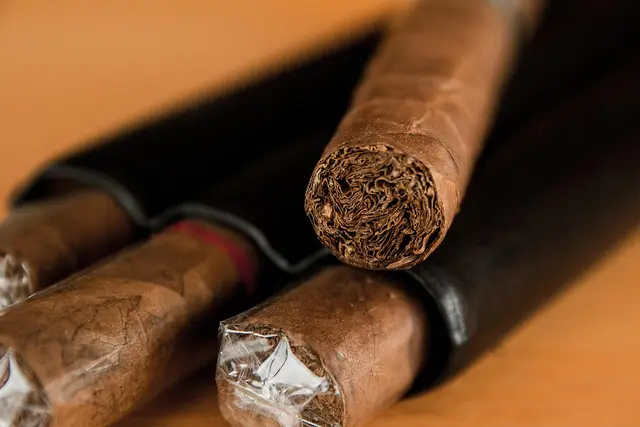
Independent cigar and pipe tobacco shop
Open a small specialist store selling cigars, pipe tobacco and accessories to adult customers who want good advice.
- C$50k-150k
- Full-time
- Own premises

Western wear shop
Open a small shop selling boots, hats and western clothing, with proper fitting for local riders and ranch families.
- C$40k-150k
- Full-time
- Own premises
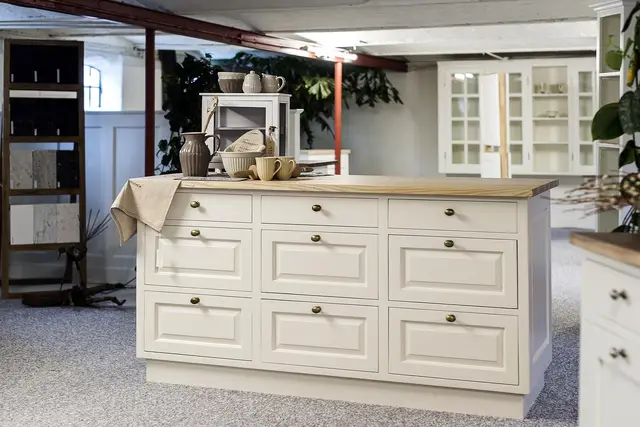
Small cabinet showroom
Open a local showroom selling kitchen, bathroom and storage cabinets to homeowners, renovators and contractors.
- C$30k-150k
- Full-time
- Own premises

Small-premises pawn shop
Lend cash against jewellery, tools and electronics, then resell items that aren't reclaimed.
- C$30k-150k
- Full-time
- Own premises

Small-town general store
Run the shop a smaller community relies on, mixing everyday goods with local products and practical extras.
- C$40k-150k
- Full-time
- Own premises