Small Dinghy Sailing School
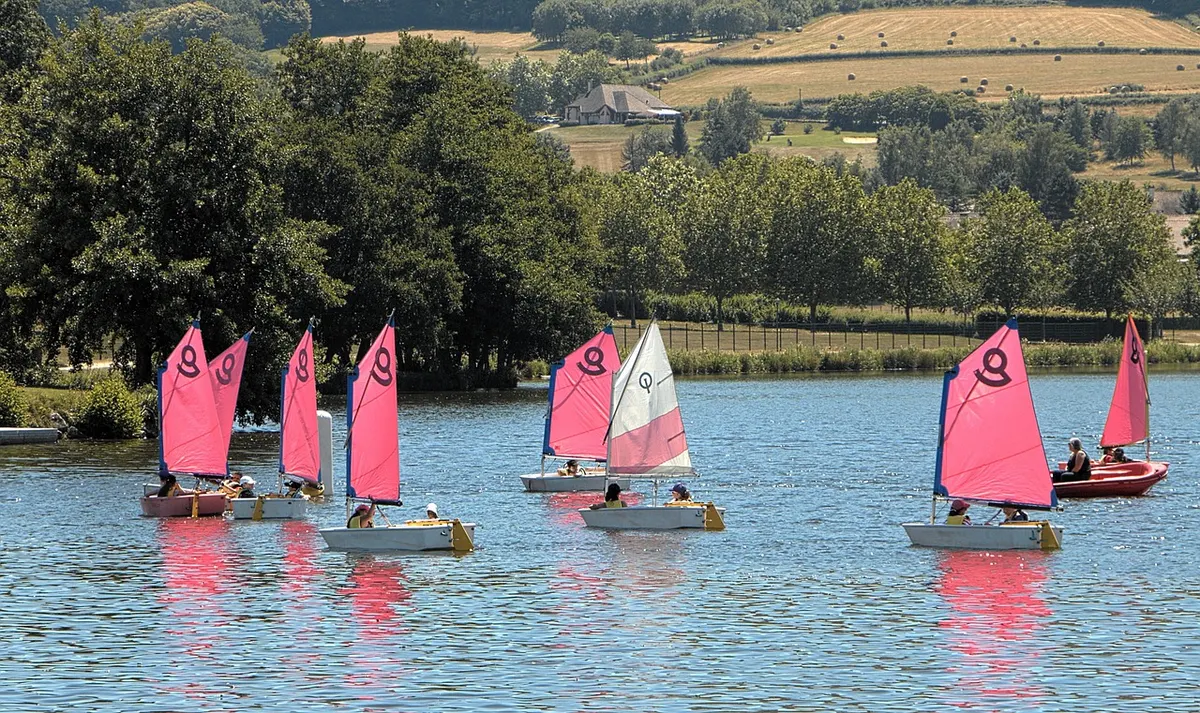
Run beginner and improver sailing courses from a rented dock or club, using a few dinghies and a rescue boat.
- C$8k-40k
- Part-time
- Own premises
- Licence or permit needed
Estimates for a small start in Canada, not guarantees.
What it is
A seasonal school teaching kids, teens and adults to sail small dinghies in short courses. You base it at a marina, yacht club, municipal waterfront or lakeside site, with a small fleet, safety gear and a rescue boat.
Your first three steps
- Take or confirm your Sail Canada instructor certification and a current first aid and rescue boat qualification
- Contact local marinas, yacht clubs and municipal waterfronts about renting dock space, storage and launch access for the season
- Price a used dinghy fleet, lifejackets and rescue boat, then get quotes for liability insurance and open course bookings for spring
Who pays
Parents booking summer courses for children, adults learning for the first time, and people wanting to improve before buying or chartering a boat.
How it makes money
A fee per course, such as a week of half-days or a set of weekend sessions, with extra income from private lessons, group bookings and camp or corporate days.
Skills that help
- Confident sailor with a Sail Canada instructor certification (or willingness to get one)
- Teaching and keeping groups safe on the water
- Booking, scheduling and customer service
Watch out for
- Commercial general liability and marine liability insurance, check that it covers instruction and students under 18
- Pleasure craft operator card for the rescue boat, and whether Transport Canada rules for commercial or small passenger vessels apply to you
- Waterfront access rules and any permits from the municipality, harbour authority or provincial parks
- Short season in most regions, so plan cash flow for winter months
- Weather, water safety and child supervision, including staff background checks
🔒 Full research report for Canada
Real cost breakdown with current prices, licences and registration checklist, local competition, pricing, break-even and a 30-day launch plan, with sources.
Coming soonQuestions people ask
How much does it cost to start a sailing school in Canada?
Estimates suggest startup costs are typically around $8,000 to $40,000, depending on the size of your dinghy fleet, safety gear, rescue boat and dock or club arrangements.
What should I check before running a sailing school in Canada?
Check commercial general and marine liability insurance covering instruction and students under 18, plus pleasure craft operator card needs and whether Transport Canada rules apply. Also check waterfront access permits and staff background checks for child supervision.
How much can a sailing school earn?
Estimates suggest monthly revenue is typically around $3,000 to $15,000, depending on course numbers, fleet size and pricing. The season is short in most regions, so plan cash flow for winter. Expect at least 15 hours a week.
Other ways to run this business
Similar sports and fitness ideas

Small boating or sailing school
Run seasonal learn-to-sail or powerboat courses for kids and adults from a dock, club or lakeside base.
- C$8k-40k
- Part-time
- Own premises
Private training studio gym
Run a compact by-appointment studio for small groups and one-to-one training, with a lean equipment list.
- C$8k-40k
- Part-time
- Own premises

Small yoga studio with regular classes
Rent or lease a small space and run a weekly timetable of classes and memberships.
- C$8k-40k
- Full-time
- Own premises
Wing Chun school with its own studio
Open a dedicated training space with a weekly timetable for adults and kids, funded by monthly memberships.
- C$10k-40k
- Full-time
- Own premises

Year-round indoor golf lesson studio
Teach golf all year in a small indoor space with a hitting net and swing analysis tech.
- C$8k-40k
- Part-time
- Own premises
Full-time karate dojo
Rent a small unit, fit it out as a dojo and run a full timetable of kids and adult classes.
- C$10k-40k
- Full-time
- Own premises
Photo: luctheo on Pixabay