Online solar kit shop for cabins, rvs and DIY
Sell certified solar panels, inverters and mounting kits online to off-grid, cabin and RV owners, often shipped direct from suppliers.

- C$2k-10k
- Side hustle
- Online
Estimates for a small start in Canada, not guarantees.
What it is
A small online shop selling solar panels, inverters, charge controllers, batteries and mounting kits. It focuses on cabins, RVs, boats, sheds and off-grid homes. You can order from distributors and ship direct to customers, or hold a small stock of popular kits at home.
Your first three steps
- Contact two or three Canadian distributors about reseller accounts, minimum orders and drop-ship options
- Pick one niche, such as cabins or RVs, and design three simple kits with clear specs and prices
- Set up a simple online store with clear shipping costs, returns and warranty terms, then share it in local cabin and RV groups
Who pays
Cabin and cottage owners, RV and van owners, off-grid homeowners and small installers who need a quick top-up of parts.
How it makes money
A margin on each item or bundled kit, plus extra for wiring, cables and accessories. Pre-made kits with clear instructions usually raise the average order value.
Skills that help
- Basic understanding of solar components
- Online selling and product listings
- Customer service and clear advice
- Organising orders and suppliers
Watch out for
- Check that electrical products carry a certification mark accepted in Canada (such as CSA or cUL), and ask your provincial electrical safety authority what applies
- Check import duties and tariffs on panels and batteries, and how currency swings affect your margins
- Batteries and other regulated goods can have special shipping rules, so check with your carrier
- Give general product information only. Grid-connected installs usually need a qualified electrician and permits, so check local rules
- Check GST/HST registration once you pass the small supplier threshold, and French-language rules if you sell in Quebec
- Commercial general liability and product liability insurance, and clear warranty handling with suppliers
Deep research report · Canada
Everything you need to start: online solar kit shop for cabins, RVs and DIY
Researched with live web search for Canada: real startup prices, the licences and rules, what others charge, a break-even example, how to find your first customers and a 30-day launch plan. With sources.
- Startup costs with real prices
- Licences, registration and rules
- Pricing: what others charge
- Break-even example
- Finding your first customers
- 30-day launch plan
- Risks and how to reduce them
Questions people ask
How much does it cost to start an online solar equipment shop?
Startup costs are estimates, typically around $2,000 to $10,000, depending on your website, whether you ship direct from suppliers or hold some stock, and insurance. Direct shipping can keep your upfront cost toward the lower end.
What should I check before selling solar products online in Canada?
Check that electrical products carry a certification mark accepted in Canada, such as CSA or cUL, and ask your provincial electrical safety authority what applies. Also check import duties, battery shipping rules and GST/HST. Grid-connected installs usually need a qualified electrician.
How much can an online solar kit shop earn?
Monthly revenue is typically estimated at around $1,000 to $5,000, depending on your product range, pricing and how well you reach cabin, RV and off-grid customers. The estimate assumes at least about 10 hours a week.
Other ways to run this business
Similar trades ideas
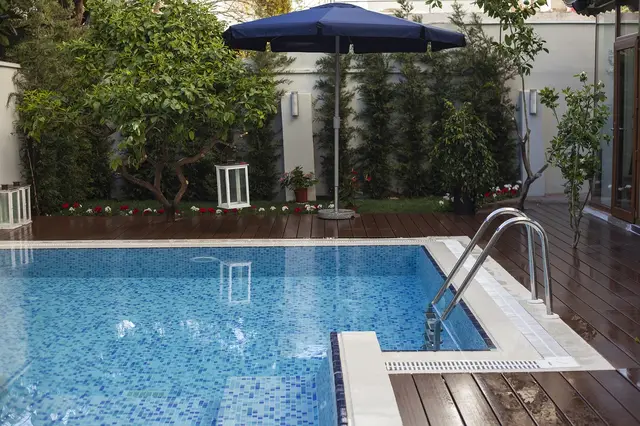
Part-time deck builder
Build and repair small timber decks for homeowners on weekends and evenings during the warm months.
- C$2.5k-10k
- Side hustle
- Out and about
Home-based lighting supplier to electricians
Sell lighting to local electricians and contractors, using supplier drop-shipping and a small stock of fast sellers.
- C$2k-10k
- Side hustle
- From home
Prefab garage kit installer
Assemble prefabricated garage kits on site for homeowners who buy online or from big-box stores.
- C$2k-10k
- Side hustle
- Out and about

Home-based light bulb and lamp supplier
Stock popular LED bulbs and lamps at home and supply electricians, shops and property managers.
- C$2k-10k
- Side hustle
- From home
Subcontract excavation with rented machine
Start digging for builders and landscapers by renting a machine per job, with no big equipment purchase.
- C$2k-10k
- Side hustle
- Out and about
Retaining wall block reseller (no yard)
Sell retaining wall blocks to landscapers and homeowners, with pallets delivered straight from the manufacturer or a partner yard.
- C$2k-10k
- Side hustle
- From home
Photo: andreas160578 on Pixabay