Takoyaki cart or trailer
Run a takoyaki cart or small trailer at a regular downtown, campus or event spot.

- C$8k-35k
- Part-time
- Out and about
- Licence or permit needed
Estimates for a small start in Canada, not guarantees.
What it is
A purpose-built cart or small trailer with a takoyaki griddle, handwash sink and storage, set up daily at a regular location or booked for events.
Your first three steps
- Ask your city about mobile food vending rules, permitted locations and licence costs
- Price a used or new cart or trailer and check that it meets health unit requirements before buying
- Scout two or three busy spots and ask property owners or event organizers about vending there
Who pays
Office workers, students, tourists, and evening and event crowds.
How it makes money
Sell portions and combos with drinks or sides, with repeat customers at a regular spot. Revenue depends on location, season and opening hours.
Skills that help
- Cooking quickly and consistently
- Food safety and cleaning routines
- Basic bookkeeping and cost control
- Negotiating spots and permits
Watch out for
- Mobile food vendor licence and health inspection of the cart, rules vary by city and province
- Many cities limit where and when you can vend, check zoning and street rules
- A commissary or approved prep kitchen may be required, check with your health unit
- Commercial general liability and equipment insurance
- Propane and fire safety inspections
- Winter months can sharply cut foot traffic, plan cash flow for the slow season
- Register for GST/HST once you pass the small supplier threshold
Deep research report · Canada
Everything you need to start: takoyaki cart or trailer
Researched with live web search for Canada: real startup prices, the licences and rules, what others charge, a break-even example, how to find your first customers and a 30-day launch plan. With sources.
- Startup costs with real prices
- Licences, registration and rules
- Pricing: what others charge
- Break-even example
- Finding your first customers
- 30-day launch plan
- Risks and how to reduce them
Questions people ask
How much does it cost to start a takoyaki cart in Canada?
Startup costs are typically estimated at around $8,000 to $35,000, depending on whether you buy a cart or trailer, new or used, plus the griddle, sink, storage and permits you need.
How much revenue can a takoyaki cart make?
Monthly revenue is typically estimated at around $3,000 to $14,000, depending on your location, opening hours and prices. These are revenue estimates before costs, and winter months can sharply reduce foot traffic.
What licences and rules should I check for a food cart?
Check the mobile food vendor licence and health inspection rules in your city and province, local zoning and street vending limits, and whether you need an approved prep kitchen. Also check propane and fire inspections, insurance, and GST/HST registration.
Other ways to run this business
Similar food ideas

Açaí bowl market stall or cart
Sell açaí bowls and smoothies from a stall, cart or pop-up at farmers' markets, festivals and summer events.
- C$8k-35k
- Side hustle
- Out and about

Local meat box and delivery service
Sell curated boxes of fresh and prepared meat online, with local pickup or cold delivery to households and small food businesses.
- C$8k-35k
- Part-time
- Online

Seasonal snack and drink kiosk
Run a small kiosk at a park, beach or trail selling coffee, cold drinks and snacks through the warm months.
- C$8k-35k
- Part-time
- Own premises

Small-batch ice cream and sorbet for local cafés
Make ice cream and sorbet in a rented commercial kitchen and supply local cafés, restaurants and caterers.
- C$8k-35k
- Part-time
- Own premises
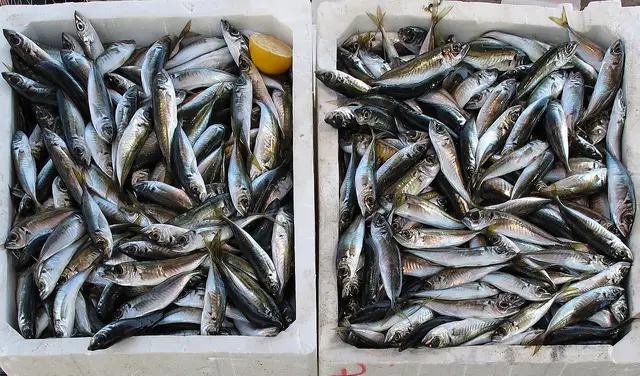
Frozen seafood distributor run from a home office
Sell frozen fish and shellfish to caterers and shops, stored in rented cold storage and shipped by refrigerated carrier.
- C$8k-35k
- Part-time
- From home
Boutique wine agent and importer
Bring in small-producer wines and sell them to restaurants, bars and shops in your province.
- C$10k-40k
- Part-time
- Out and about
Photo: 坡村的人 on Pixabay