Small tool and die job shop
Run a small industrial unit making and repairing dies, moulds and fixtures for local manufacturers.
- C$80k-250k
- Full-time
- Own premises
Estimates for a small start in Canada, not guarantees.
What it is
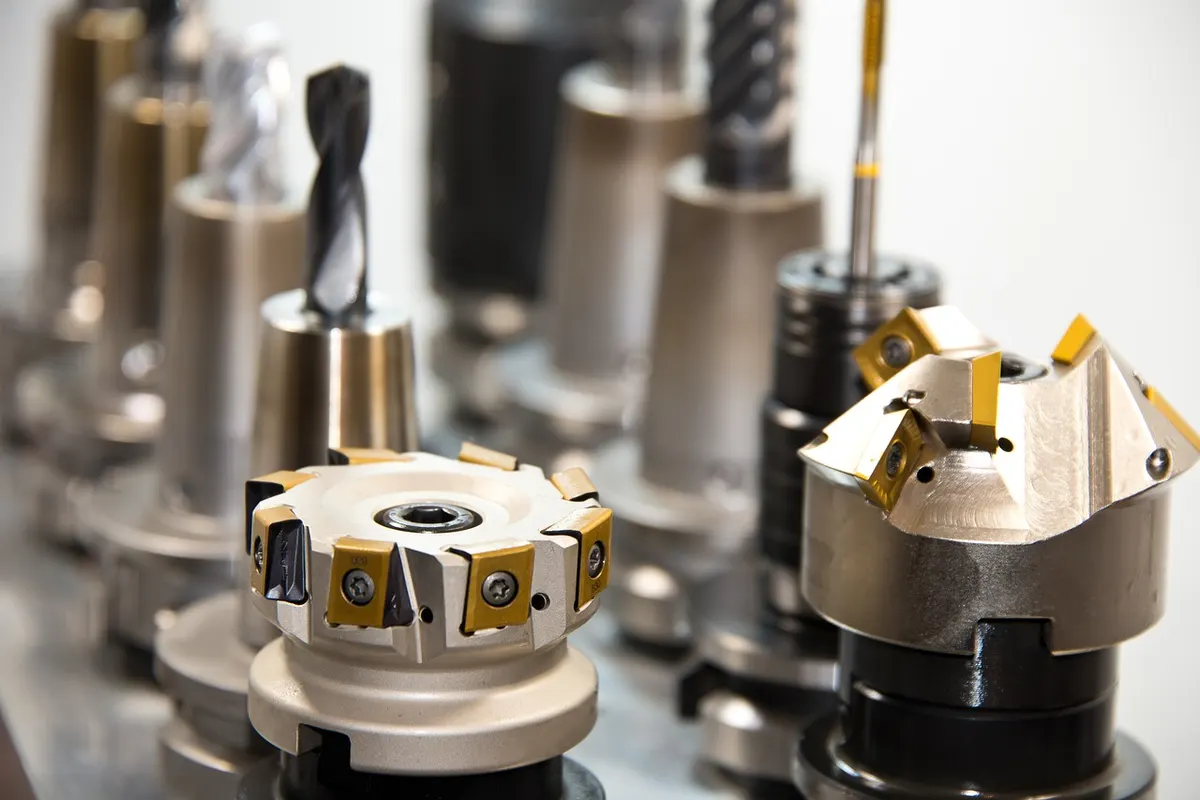
A small workshop with milling machines, a lathe, a grinder and ideally a CNC machine. You make custom tooling, fixtures and jigs, and repair worn dies and moulds for factories nearby.
Your first three steps
- Talk to manufacturers and shops near you to find which repair and tooling work they struggle to get done quickly
- Price a starter set of used machines and a small unit with three-phase power, and build a simple budget
- Line up one or two anchor customers or subcontract work from an established shop before you commit to a lease
Who pays
Local manufacturers, plastics and metal stamping firms, machine builders and other shops that need quick custom work or repairs.
How it makes money
Quoted price per job or an hourly shop rate, with repeat repair and maintenance work from a few regular customers.
Skills that help
- Toolmaking or machining experience
- Reading engineering drawings
- CAD/CAM or CNC programming
- Quoting jobs accurately
Watch out for
- Commercial general liability and equipment insurance, and WCB/WSIB coverage once you hire (rules differ by province)
- Zoning and lease terms for industrial units, including power supply, check with your municipality
- Red Seal toolmaker or machinist certification is not always required but customers often value it, check your province
- Some customers ask for confidentiality agreements, and defence-related work may need Controlled Goods registration, check the requirements
- Slow customer payment can strain cash flow, so agree terms and deposits up front
Deep research report · Canada
Everything you need to start: small tool and die job shop
Researched with live web search for Canada: real startup prices, the licences and rules, what others charge, a break-even example, how to find your first customers and a 30-day launch plan. With sources.
- Startup costs with real prices
- Licences, registration and rules
- Pricing: what others charge
- Break-even example
- Finding your first customers
- 30-day launch plan
- Risks and how to reduce them
Questions people ask
How much does it cost to start a tool and die shop in Canada?
Estimates suggest startup costs of typically around $80,000 to $250,000, depending on the machines you buy, such as milling machines, a lathe, a grinder and ideally a CNC machine, and on your premises.
How much revenue can a small tool and die shop make?
Monthly revenue is typically estimated at around $10,000 to $40,000, depending on the work you win from local manufacturers and how quickly customers pay. Full-time hours are usually needed, starting at around 40 hours a week.
What should I check before opening a tool and die shop in Canada?
Check insurance needs, including commercial general liability and equipment cover, and WCB/WSIB once you hire, as rules differ by province. Also check zoning and lease terms for industrial units, and whether customers expect Red Seal certification or Controlled Goods registration.
Other ways to run this business
Similar making and manufacturing ideas

Natural stone yard and trade supplier
Import and stock slabs, tile and landscape stone in a small yard or warehouse, and supply local trade customers quickly.
- C$60k-250k
- Full-time
- Own premises

Small steel yard with cut-to-size service
Run a small yard stocking common steel sizes and offcuts, cut to length for local fabricators, builders and farms.
- C$60k-250k
- Full-time
- Own premises
Engine machine shop in a small industrial unit
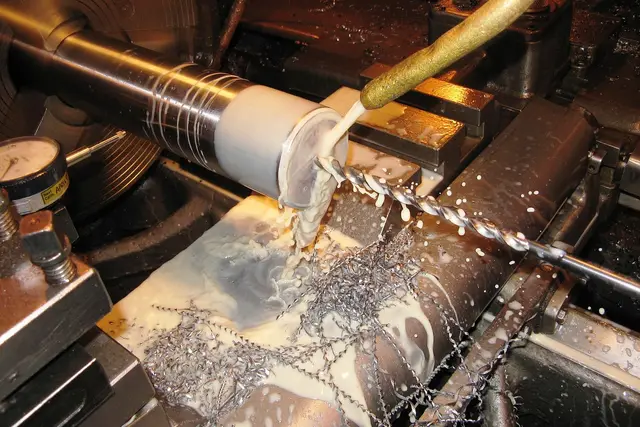
Machine and rebuild engine blocks, heads and cranks for garages, racers and restorers from a rented unit.
- C$60k-250k
- Full-time
- Own premises
Small CNC shop for replacement machinery parts
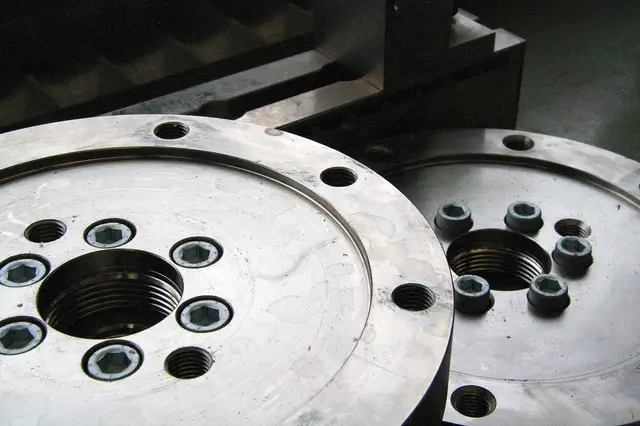
Rent a small industrial unit and machine replacement and custom parts for local factories, farms and repair shops.
- C$50k-250k
- Full-time
- Own premises

Small-shop label printing business
Run a small unit with a commercial digital label press, serving breweries, food producers and event businesses.
- C$60k-250k
- Full-time
- Own premises
Small toolroom for local manufacturers
Rent a small industrial unit and make jigs, fixtures, dies and moulds for nearby factories.
- C$60k-250k
- Full-time
- Own premises
Photo: blickpixel on Pixabay