Compact water jet studio for designers and architects
Use a smaller water jet table to cut custom tile, stone, metal signs and one-off pieces for designers, builders and makers.

- C$50k-200k
- Part-time
- Own premises
Estimates for a small start in Canada, not guarantees.
What it is
A workshop built around a compact water jet table. You cut decorative and custom work such as stone inlays, tile patterns, metal signs, panels and art pieces, mostly in one-off or small runs.
Your first three steps
- Contact local designers, stone and tile suppliers and signmakers to see what custom cutting they need
- Cut a few sample pieces, such as a stone inlay or metal sign, and photograph them for a simple portfolio site
- Compare compact machine prices, used options and financing, and find a unit or workshop space suited to the machine
Who pays
Interior designers, architects, renovation contractors, signmakers, artists and homeowners with custom projects.
How it makes money
You charge per job based on cutting time and material, with a minimum order fee. Design help or file preparation can be billed as extra.
Skills that help
- Vector drawing or CAD software
- An eye for design and tolerances
- Talking customers through what is possible
Watch out for
- Whether your workshop's zoning and lease allow this kind of equipment, and any home-based business rules if you start from a property you own
- Wastewater and used abrasive disposal, which is often regulated locally
- Commercial general liability and equipment insurance, plus WCB/WSIB once you hire (rules vary by province)
- Compact machines cut more slowly and have smaller beds, so check they suit the materials and sizes your customers want
- Winter heating and keeping water lines from freezing in an unheated space
- Custom work can mean costly mistakes on customer-supplied stone or metal, so agree who bears the risk before cutting
Deep research report · Canada
Everything you need to start: compact water jet studio for designers and architects
Researched with live web search for Canada: real startup prices, the licences and rules, what others charge, a break-even example, how to find your first customers and a 30-day launch plan. With sources.
- Startup costs with real prices
- Licences, registration and rules
- Pricing: what others charge
- Break-even example
- Finding your first customers
- 30-day launch plan
- Risks and how to reduce them
Questions people ask
How much does it cost to start a compact water jet studio?
Estimates suggest startup costs typically sit around $50,000 to $200,000, depending on the compact machine you choose, your workshop space and the materials you stock.
What should I check before setting up a compact water jet studio?
Check that your workshop's zoning and lease allow the equipment, plus any home-based business rules. Also check local rules on wastewater and used abrasive, insurance and WCB/WSIB once you hire, and who bears the risk on customer-supplied stone or metal.
How much can a water jet design studio make?
Estimated monthly revenue is typically around $4,000 to $20,000, depending on the custom jobs you win and the sizes you can cut. Compact machines cut more slowly with smaller beds, so check they suit your customers' work.
Other ways to run this business
Similar making and manufacturing ideas

Natural stone yard and trade supplier
Import and stock slabs, tile and landscape stone in a small yard or warehouse, and supply local trade customers quickly.
- C$60k-250k
- Full-time
- Own premises
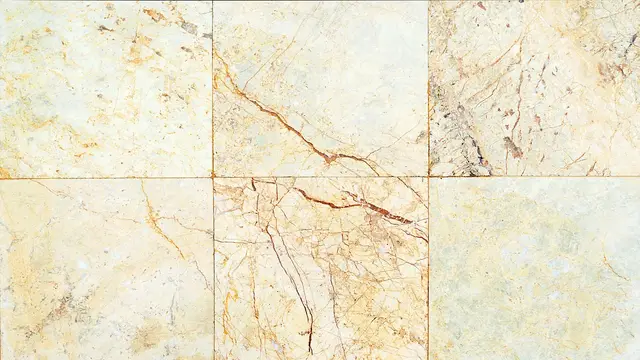
Marble showroom and slab yard
Stock slabs and tiles in a small unit with a showroom so fabricators and homeowners can pick their own stone.
- C$40k-150k
- Full-time
- Own premises

Small steel yard with cut-to-size service
Run a small yard stocking common steel sizes and offcuts, cut to length for local fabricators, builders and farms.
- C$60k-250k
- Full-time
- Own premises
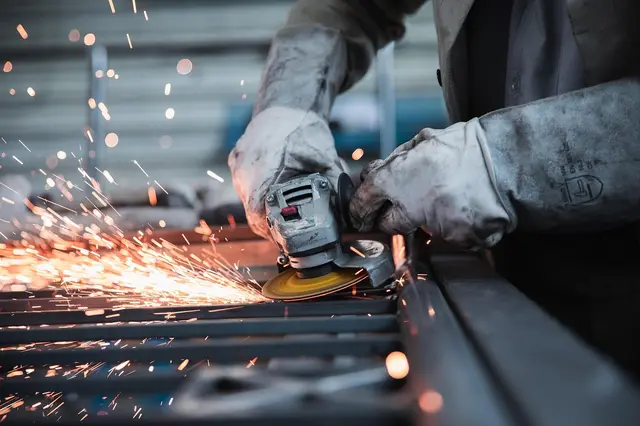
Custom metal fabrication shop
Cut, bend and weld custom steel and aluminum parts and frames for local trades and businesses.
- C$45k-150k
- Full-time
- Own premises
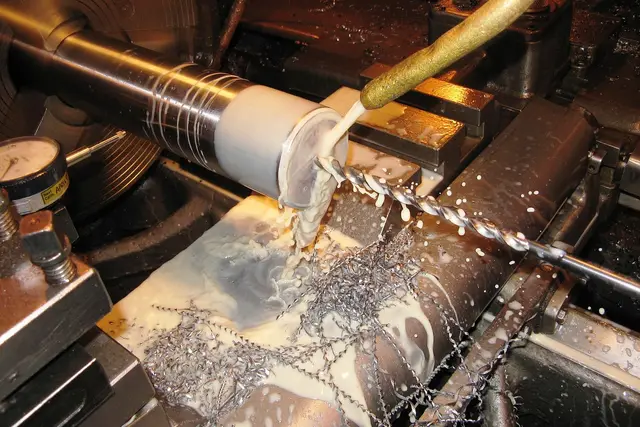
Engine machine shop in a small industrial unit
Machine and rebuild engine blocks, heads and cranks for garages, racers and restorers from a rented unit.
- C$60k-250k
- Full-time
- Own premises
Hydraulic parts shop with hose assembly
Run a small unit with a trade counter, stocked parts and in-house hose making for local industry.
- C$40k-150k
- Full-time
- Own premises