Local supply distributor with a small warehouse
Rent a small unit, stock everyday supplies and deliver to local cafés, shops and offices.
- C$20k-80k
- Full-time
- Own premises
Estimates for a small start in Canada, not guarantees.
What it is
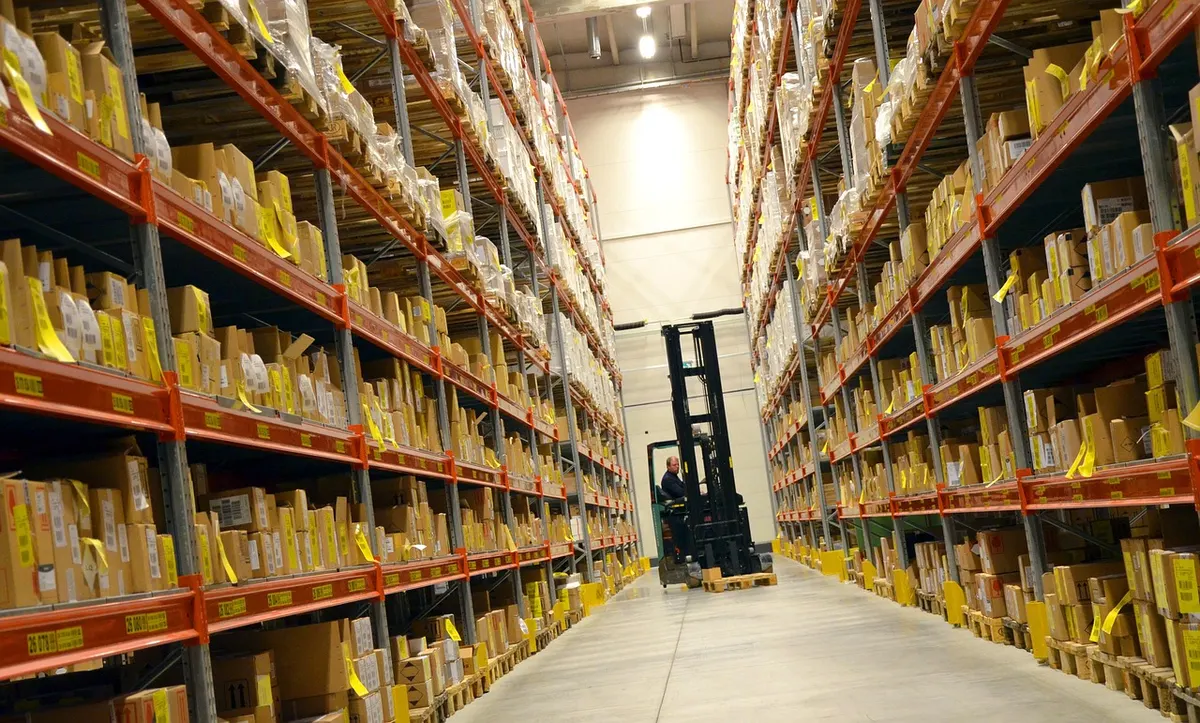
You rent a small warehouse or industrial unit and stock fast-moving supplies for local businesses, such as takeout packaging, janitorial products, paper goods or hardware consumables. You deliver by van on regular routes or ship by courier.
Your first three steps
- Pick a product category and talk to 10 local businesses about what they buy, what they pay and what frustrates them about current suppliers
- Get quotes from manufacturers or bulk suppliers, and from landlords for a small unit with loading access
- Line up two or three anchor customers with commitments for regular orders before signing a lease
Who pays
Restaurants, cafés, offices, property managers, small retailers and trades businesses that want a local supplier with quick delivery.
How it makes money
You buy in bulk at a lower price and sell at a markup, with extra income from regular standing orders. Fast delivery and reliable service help you win business from large national distributors.
Skills that help
- Sales and relationship building
- Inventory and purchasing
- Route planning and driving
- Managing cash flow and credit terms
Watch out for
- Check zoning, the business licence and any fire or occupancy rules for your unit with your municipality
- Food-contact items or edible goods may need provincial or CFIA requirements, so check which apply, including any Safe Food for Canadians licence
- Commercial general liability, product liability, stock and vehicle insurance, plus WCB/WSIB coverage once you hire (rules vary by province)
- Rent, stock and a vehicle are big up-front commitments, so test demand before you scale
- Customers paying on 30-day terms can strain cash flow
- Winter driving and weather delays can affect deliveries
Deep research report · Canada
Everything you need to start: local supply distributor with a small warehouse
Researched with live web search for Canada: real startup prices, the licences and rules, what others charge, a break-even example, how to find your first customers and a 30-day launch plan. With sources.
- Startup costs with real prices
- Licences, registration and rules
- Pricing: what others charge
- Break-even example
- Finding your first customers
- 30-day launch plan
- Risks and how to reduce them
Questions people ask
How much does it cost to start a small warehouse distribution business?
Estimates suggest startup costs are typically around $20,000 to $80,000, depending on your unit, stock and vehicle. Rent, stock and a vehicle are big up-front commitments, so testing demand before you scale is wise.
How much revenue can a local supply distributor make?
Monthly revenue is typically estimated at around $10,000 to $50,000, depending on your product range, number of customers and delivery area. Customers on 30-day terms can strain cash flow, so revenue is not the same as cash in hand.
What licences and rules should I check before starting a distribution business?
Check zoning, the business licence and any fire or occupancy rules for your unit with your municipality. Food-contact items or edible goods may need provincial or CFIA requirements, including any Safe Food for Canadians licence. Also check insurance and WCB/WSIB once you hire.
Other ways to run this business
Similar business services ideas

Local lab supplies stockist with small warehouse
Hold stock in a small unit and supply nearby labs, schools and companies with fast delivery and local service.
- C$20k-80k
- Full-time
- Own premises

Boutique industrial real estate brokerage
Run a small office of agents focused on industrial leasing and sales in your region.
- C$25k-80k
- Full-time
- Own premises

Appliance wholesaler with a small warehouse unit
Stock small and major appliances in a rented unit and supply local dealers, landlords and contractors.
- C$20k-80k
- Full-time
- Own premises

Specialty paper supplier with a small warehouse
Stock specialty and wide-format papers in a small unit and supply printers and resellers.
- C$20k-80k
- Full-time
- Own premises

Cinema and venue AV supply and install team
Supply and install projectors, sound and seating for cinemas and venues from a small workshop with a van.
- C$15k-75k
- Full-time
- Out and about
Your own small brokerage office
Open a local brokerage with a street-front or shared office, serving families and small businesses across several insurers.
- C$15k-75k
- Full-time
- Own premises
Photo: iKumpunen on Pixabay