Acrylic and plastics trade counter
Run a small unit stocking acrylic sheet, cut to size on site for local trades and makers.

- £8k-35k
- Full-time
- Own premises
Estimates for a small start in the UK, not guarantees.
What it is
A small workshop unit with a counter, stocking acrylic sheet and offcuts and cutting to size while customers wait or collect later.
Your first three steps
- Visit local sign makers, framers and joiners to find out what they buy and where they struggle to get it
- Open trade accounts with a few plastics wholesalers and compare minimum orders and delivery
- Look at small units locally and check the lease terms, permitted use and business rates
Who pays
Local sign makers, shopfitters, joiners, picture framers, builders, schools and hobbyists.
How it makes money
Margin on sheet sales plus charges for cutting, edge polishing, drilling and bending. Trade accounts bring regular repeat orders.
Skills that help
- Cutting and finishing plastics
- Stock control and pricing
- Building trade relationships
Watch out for
- Public liability, stock and buildings or contents insurance, plus employer's liability if you hire
- Check planning use class and lease terms for the unit, and the business rates position
- Tied-up cash in stock, so start with fast-selling sizes
- Machinery safety, dust extraction and fire risk, as acrylic is flammable
- Check delivery vehicle needs for heavy full-size sheets
Deep research report · UK
Everything you need to start: acrylic and plastics trade counter
Researched with live web search for United Kingdom: real startup prices, the licences and rules, what others charge, a break-even example, how to find your first customers and a 30-day launch plan. With sources.
- Startup costs with real prices
- Licences, registration and rules
- Pricing: what others charge
- Break-even example
- Finding your first customers
- 30-day launch plan
- Risks and how to reduce them
Questions people ask
How much does it cost to open an acrylic trade counter?
Estimates suggest startup costs are typically around £8,000 to £35,000, depending on the unit, cutting machinery, the amount of sheet stock you buy and your insurance. Starting with fast-selling sizes can limit cash tied up in stock.
How much can an acrylic trade counter make?
Estimated monthly revenue is typically around £3,000 to £15,000, depending on stock range, pricing and how many local trades and makers you win as regulars. This is revenue before rent, stock and other costs.
What rules and risks should I check before opening?
Check the planning use class, lease terms and business rates for the unit, plus insurance including employer's liability if you hire. Also check machinery safety, dust extraction and fire risk, as acrylic is flammable, and delivery vehicle needs.
Other ways to run this business
Similar retail ideas

Gift basket shop on the high street
Open a small shop or unit where customers choose ready-made or build-your-own gift baskets.
- £8k-35k
- Full-time
- Own premises

Local toiletries and personal care shop
Run a small high street shop selling everyday soaps, shaving kit, toothpaste and personal care basics.
- £8k-35k
- Full-time
- Own premises
Second-hand CD shop on the high street
Open a small shop selling used CDs, buying collections over the counter and building a local music community.
- £8k-35k
- Full-time
- Own premises

Gift wrap and packaging shop
Open a small shop selling wrapping paper, bags and ribbon, with in-store gift wrapping for busy shoppers.
- £8k-35k
- Full-time
- Own premises
Local sewing and fabric shop
Open a small high street shop selling fabric, threads and notions, with advice and classes for local sewers.
- £8k-35k
- Full-time
- Own premises
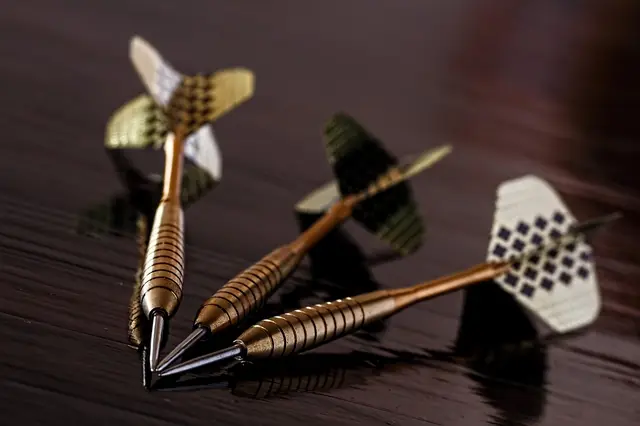
Darts shop with a practice area
Open a small shop selling darts and boards, with a practice area that brings in local players.
- £8k-35k
- Full-time
- Own premises